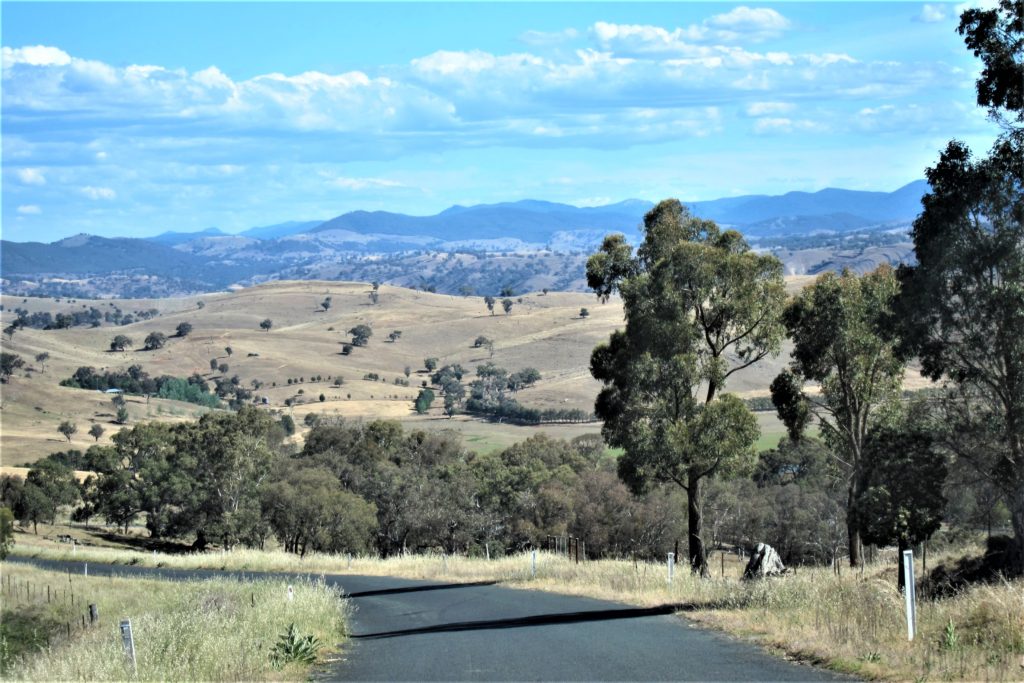
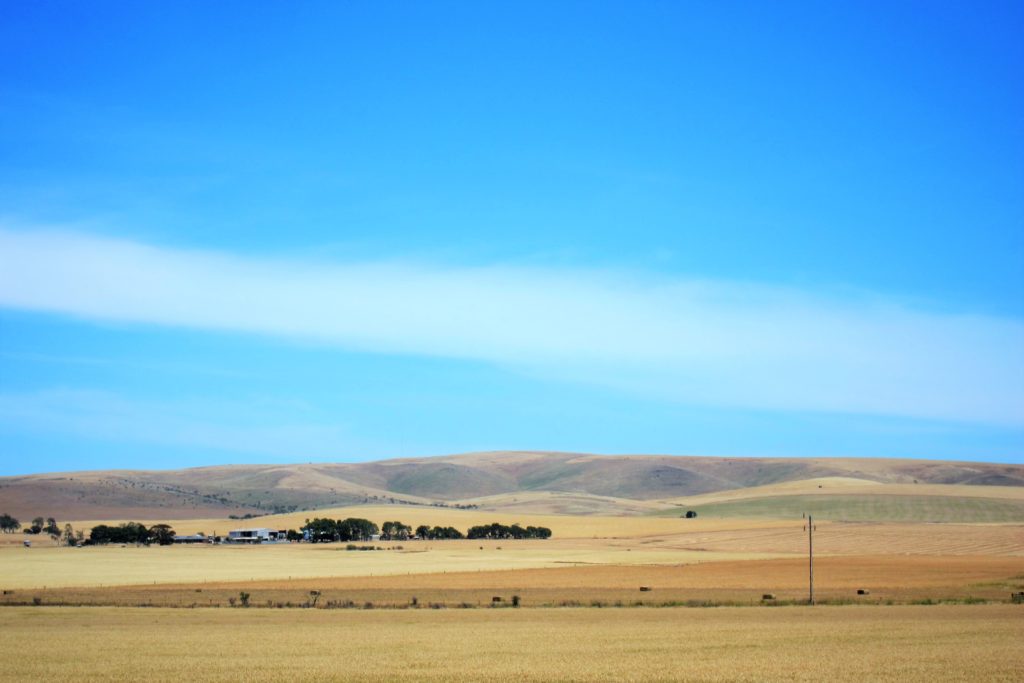
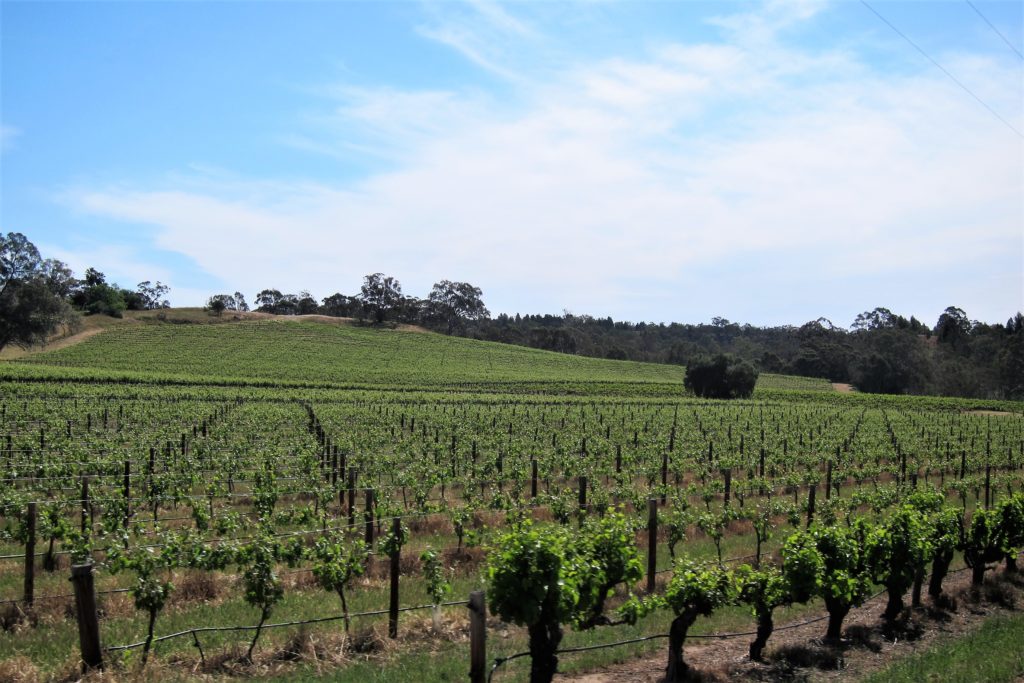
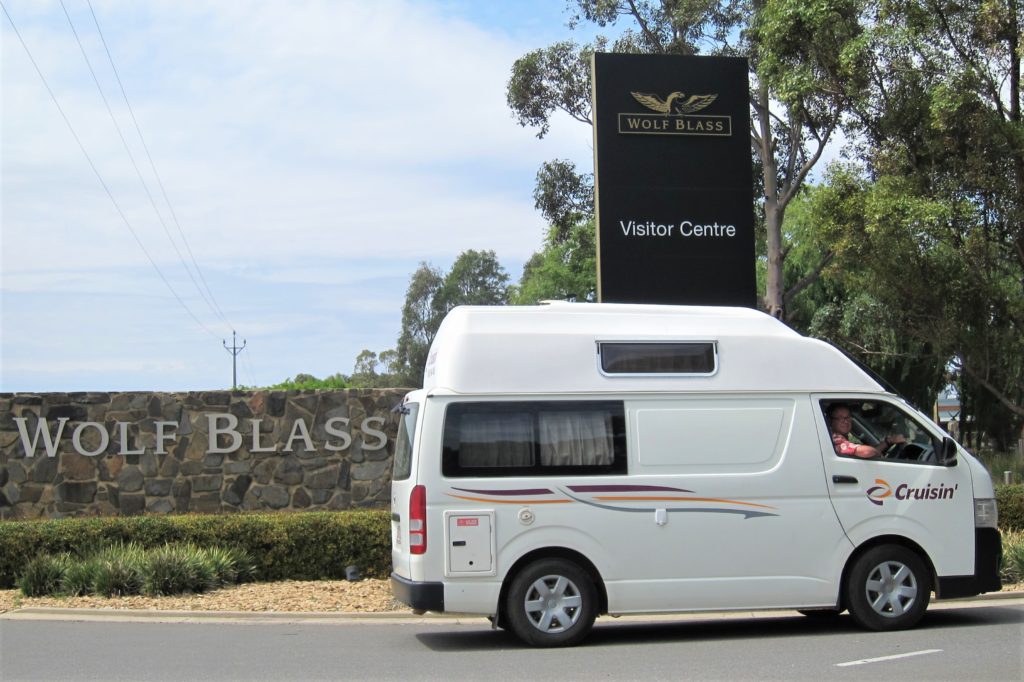
From northeast Victoria, we travel through New South Wales to the Australian Capital Territory.
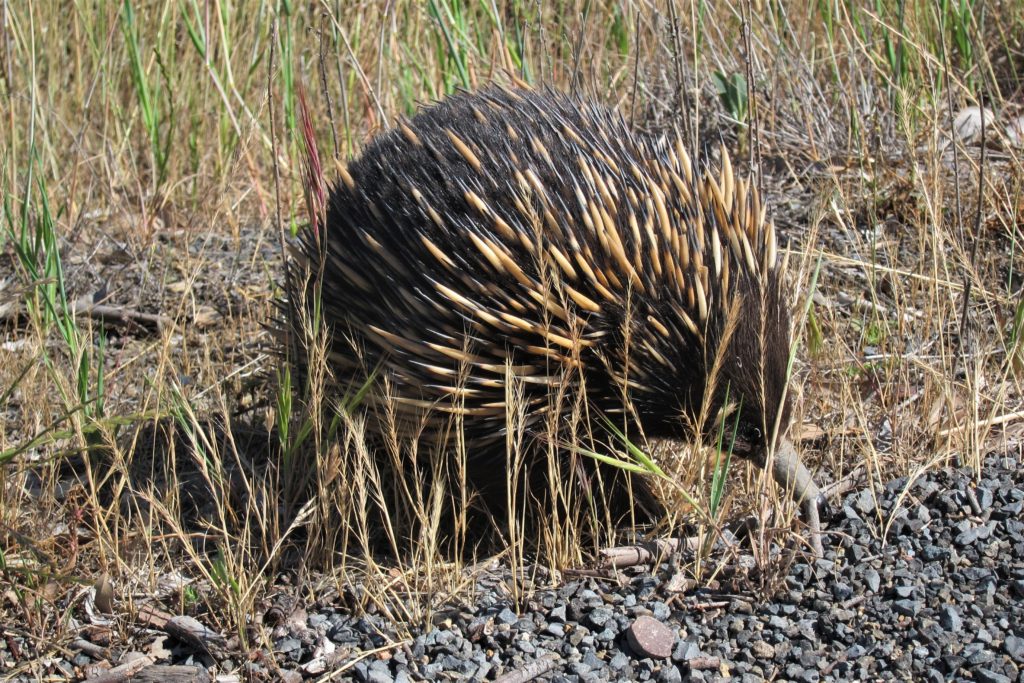
Nice scenery, but watch out for echidnas
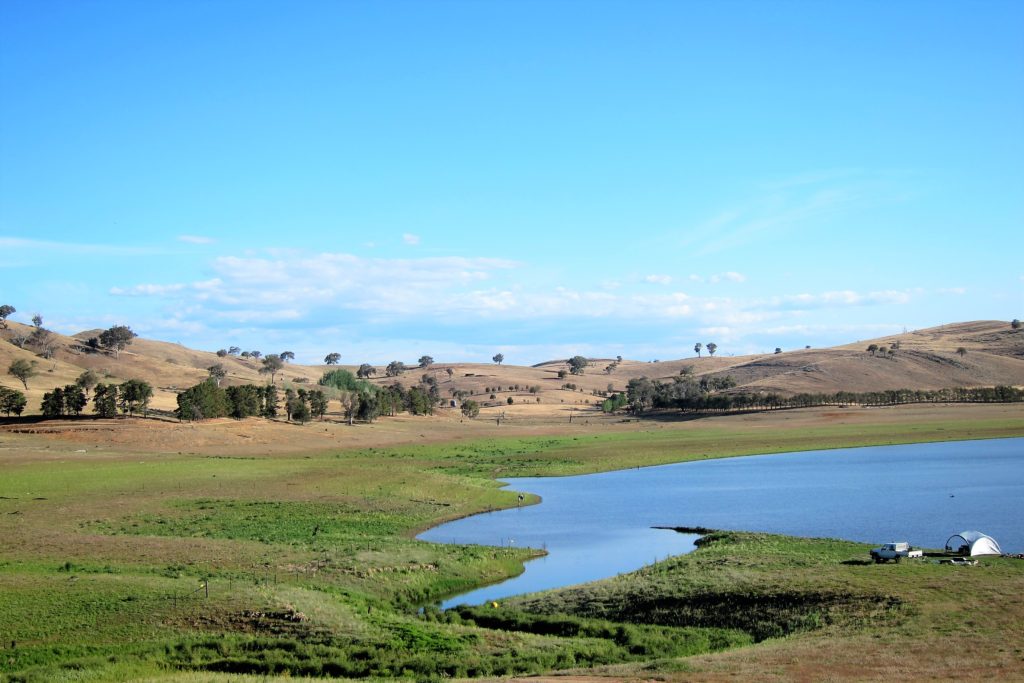
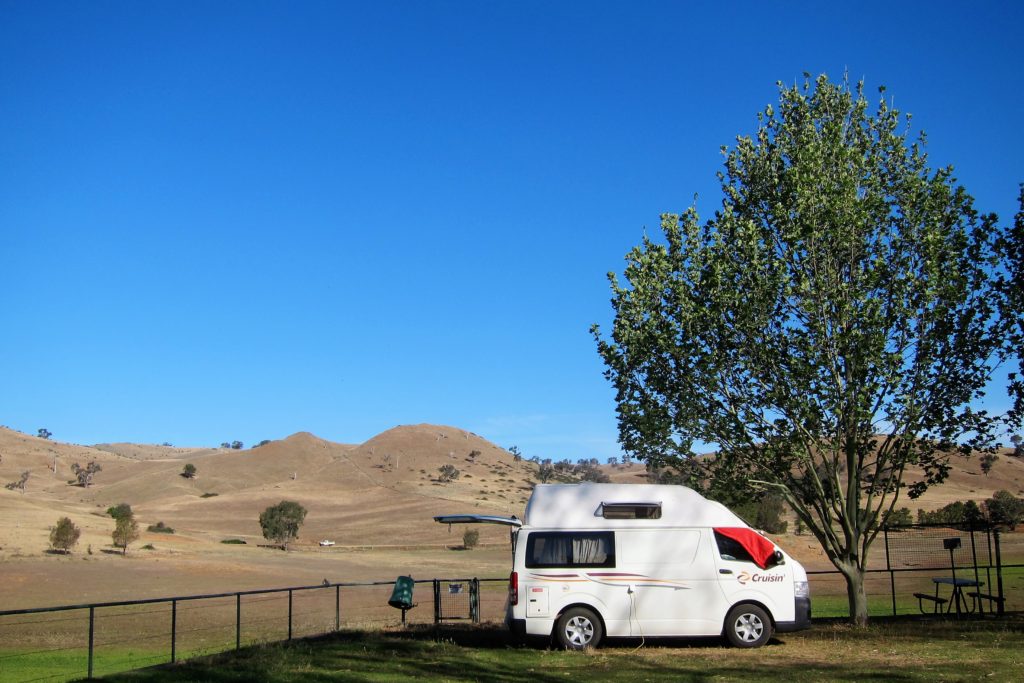
We call ahead to several caravan parks in Canberra. They have no vacancies. Probably because many people are in town for the 100th anniversary of the end of WWI. We find a place near Yass, NSW on Lake Burrinjuck for the night.
Top of the lake
It’s pretty idyllic. We have the place to ourselves. Except for a very friendly dog that adopts us. (We assume she belongs to the proprietors.) She behaves perfectly and doesn’t make a sound. She sleeps outside the van and is still there in the morning. We name her Molly.
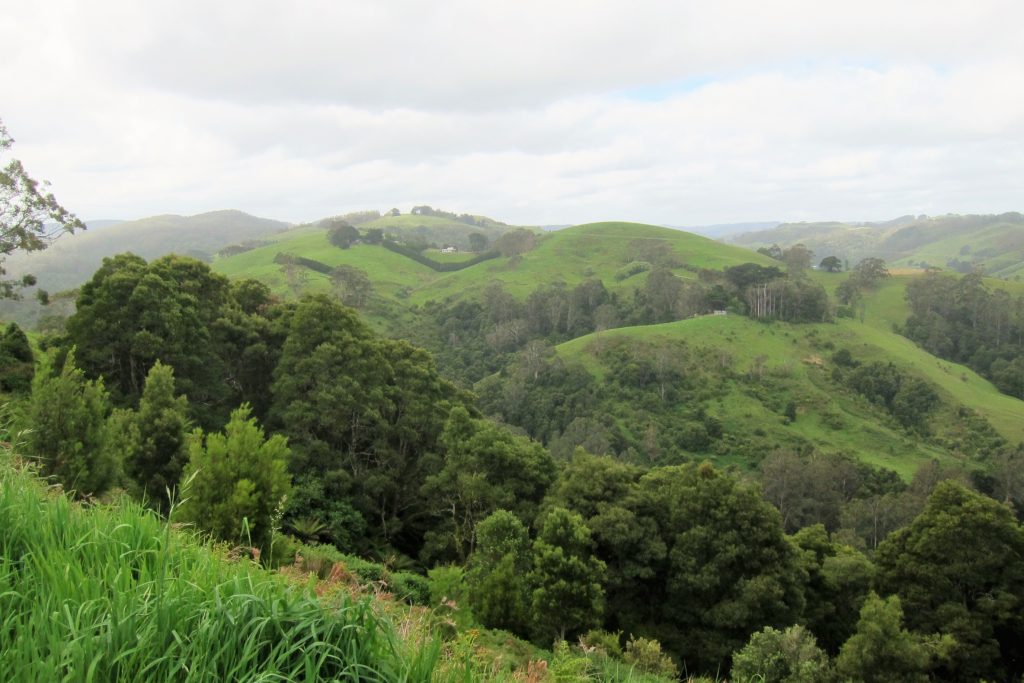
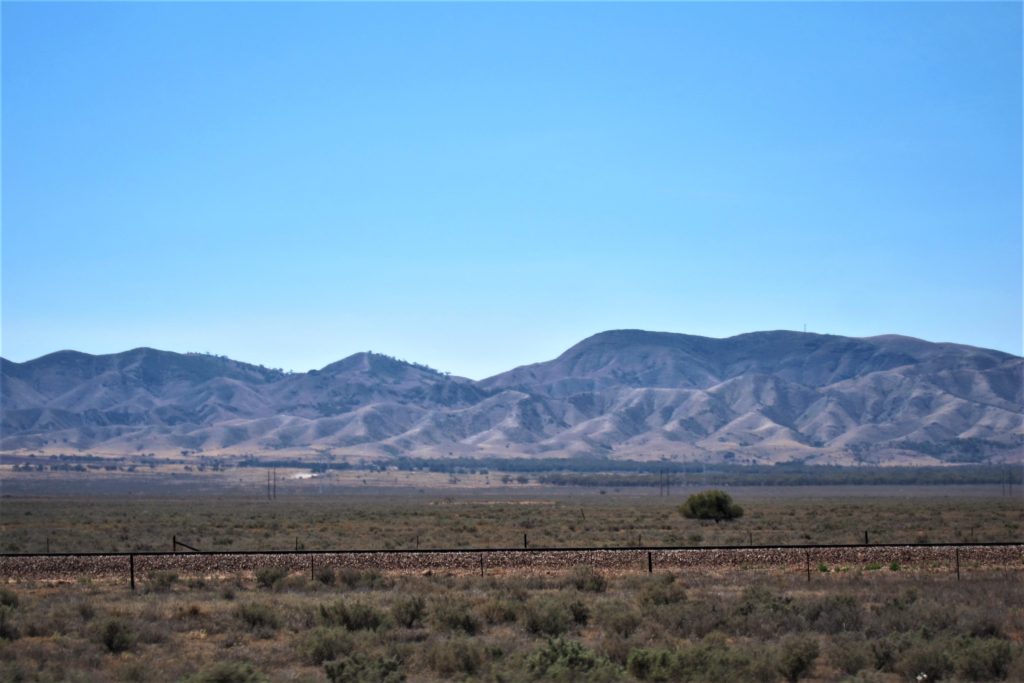
Hills near Yass
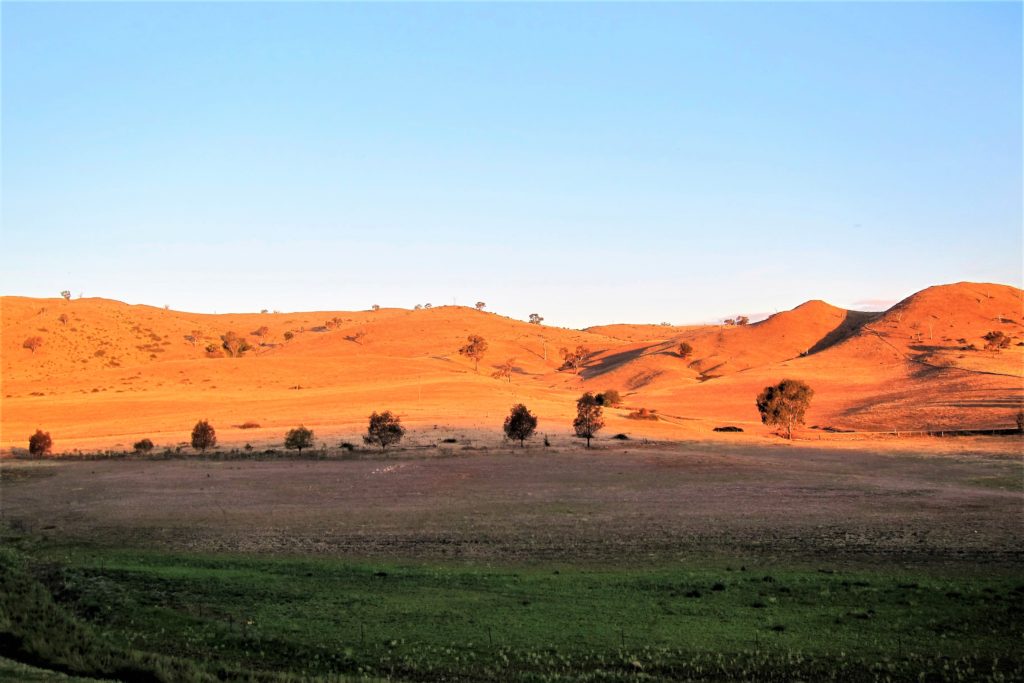
As the sun sets, the surrounding hills turn red.
Hills near Yass
The only sound is sheep bleating in the hills.
Some jolly jumbucks
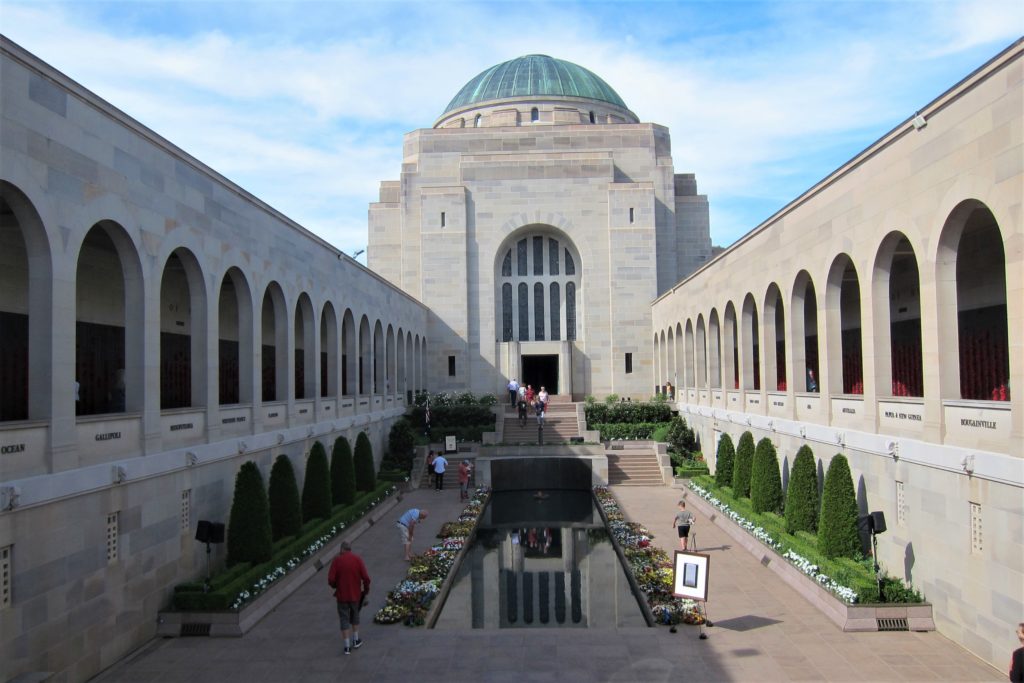
Our first stop in Canberra is the Australian War Memorial. Essentially a war museum. It is extremely well done.
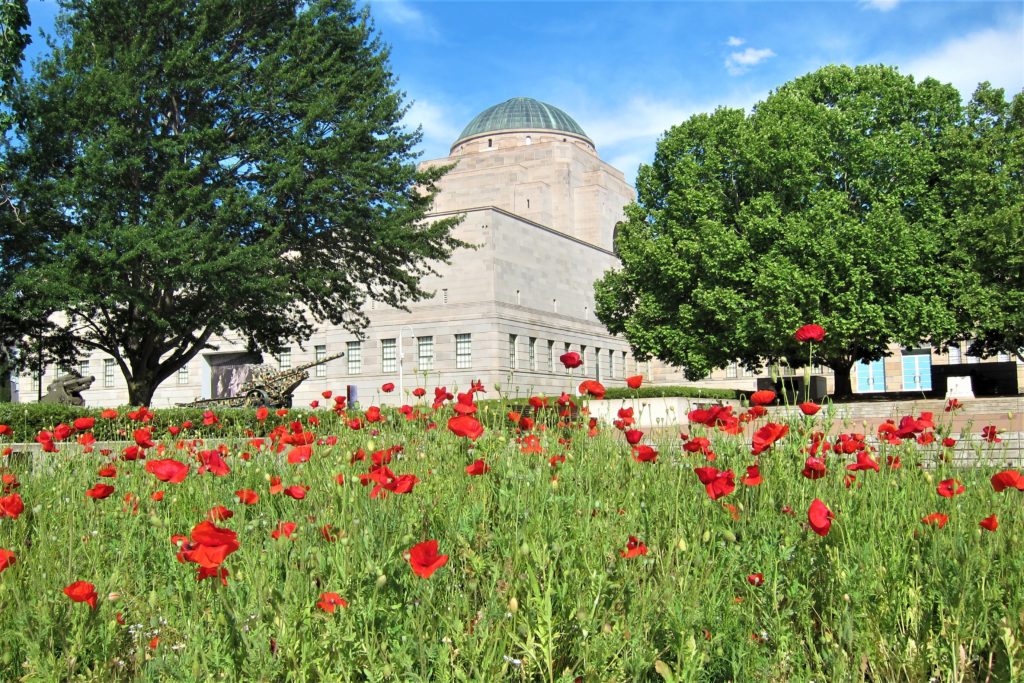
Poppies at the AWM
The scene of lots of activity the day before we arrive, November 11, but now quiet and uncrowded.
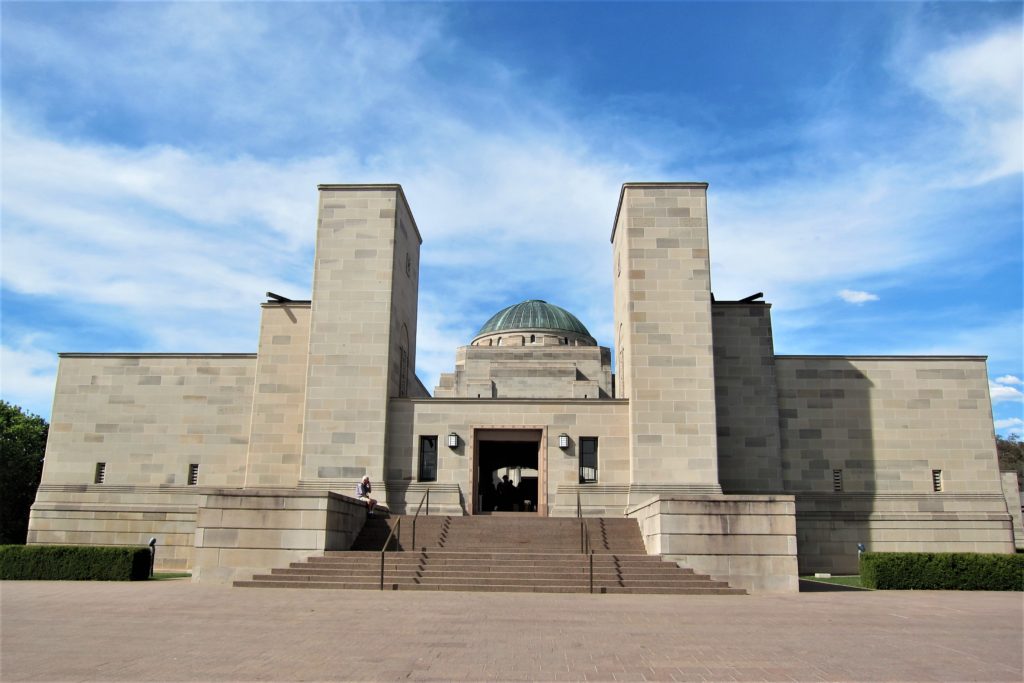
AWM entrance
It contains lots of nifty hardware, including a Japanese midget submarine that attacked Sydney Harbour, a WWI tank, and a Lancaster bomber.
Australian War Memorial courtyard
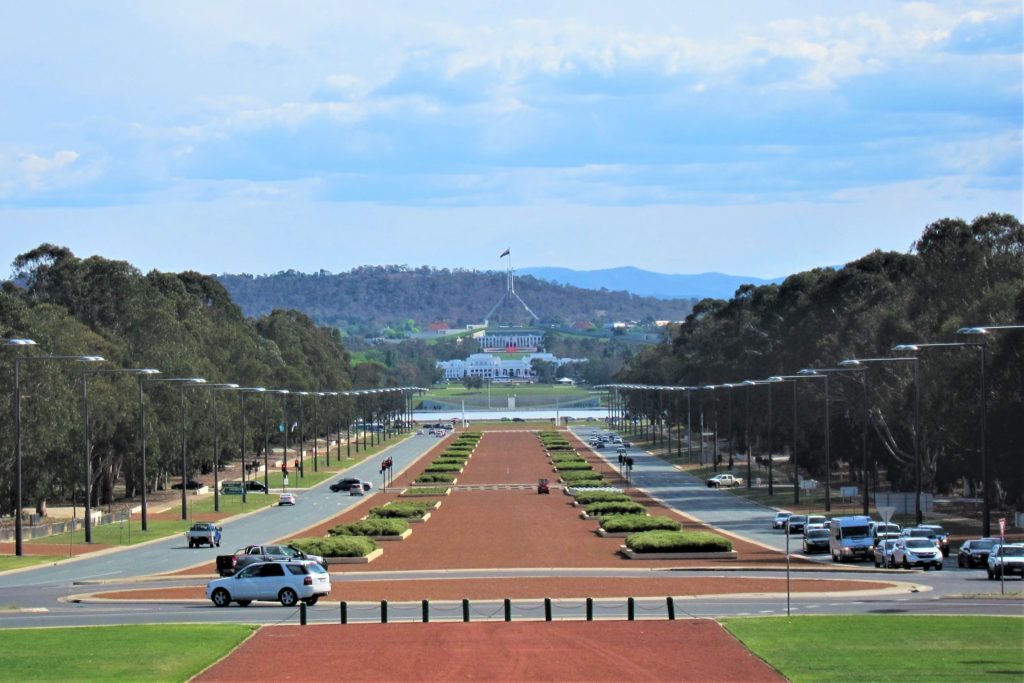
We spend four nights in Canberra. Like most planned-from-scratch cities, it features sweeping boulevards that look great. As long as you’re not a pedestrian.
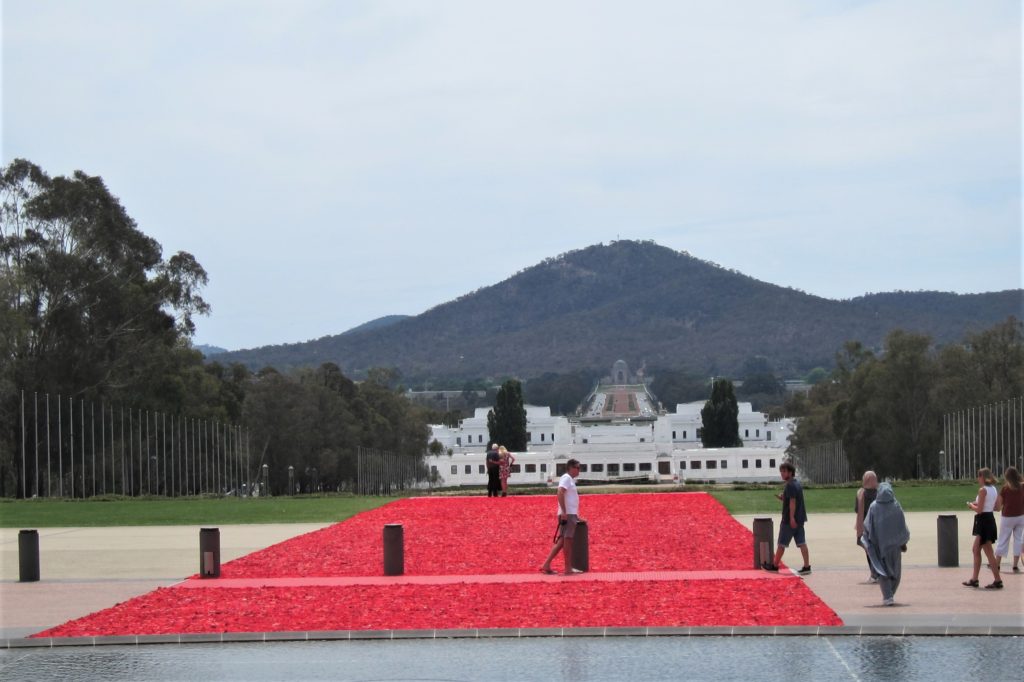
Looking down ANZAC Parade to the new parliament house.
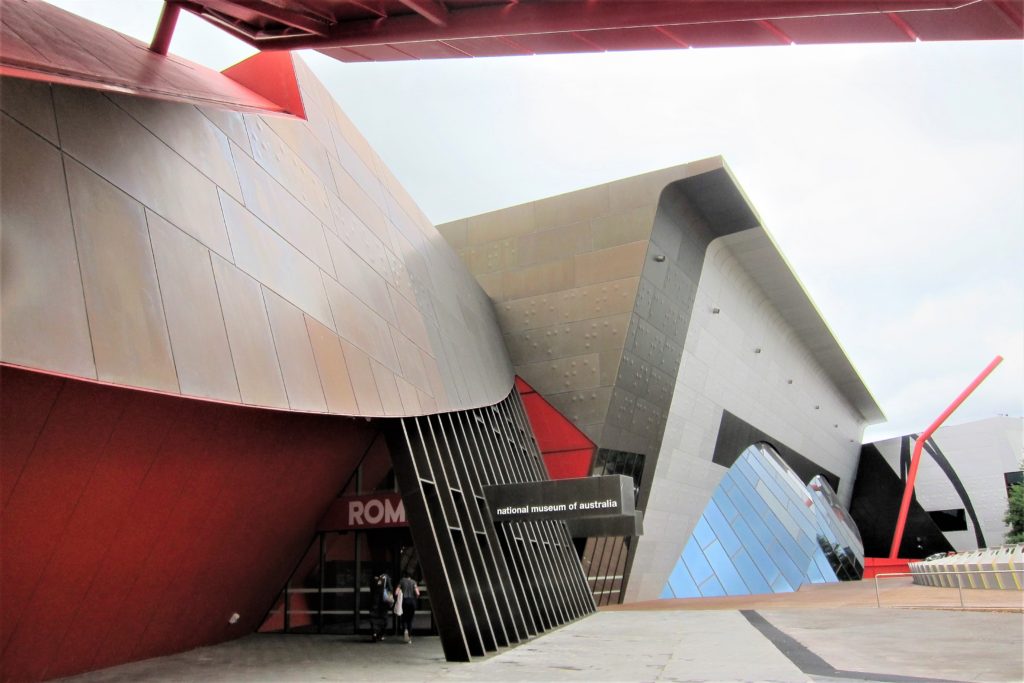
Being the national capital, Canberra has some great museums. We see a special exhibit about Rome at the National Museum of Australia.
Cool architecture of the NMA
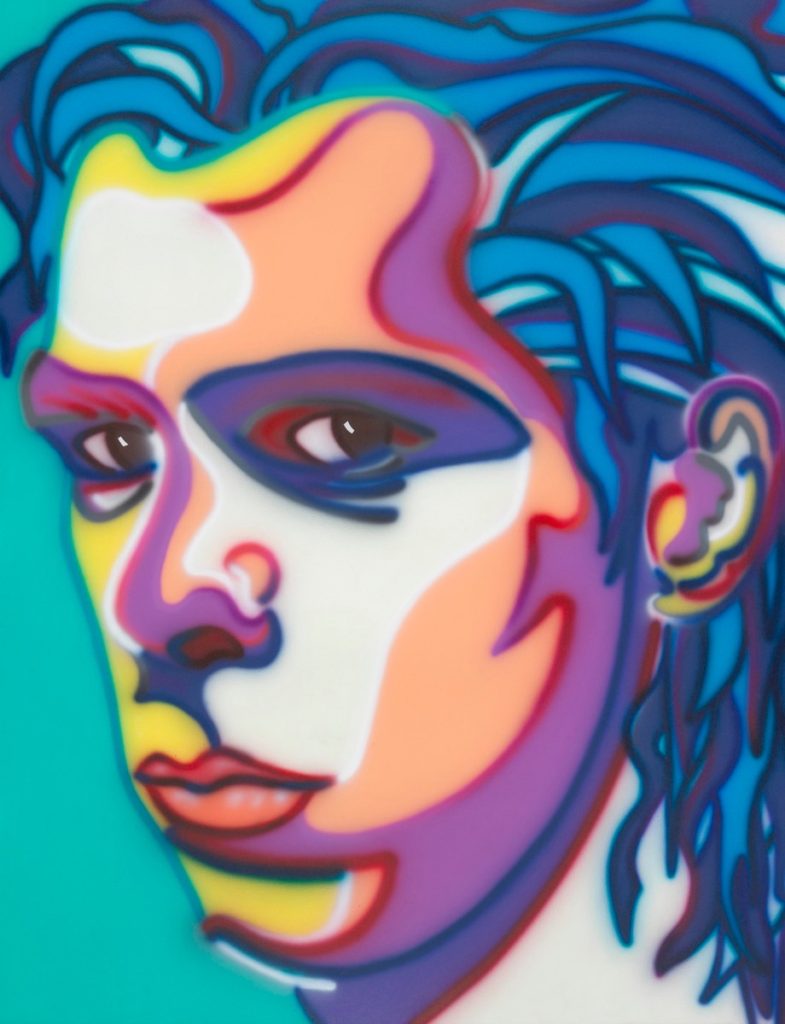
We visit the superb National Portrait Gallery. Ottawa has been dithering over creating a national portrait gallery for decades. Jeeze, just friggin’ build it, already.
Australia and Canada are similar in being burdened with less-than-impressive, mediocre, self-serving politicians, yet both countries manage to be great places to live.
By design, it is a delightfully open place. After a security check, people are welcome to poke around its interesting features. A pleasant change from the Iron Fortress isolation from the public found in most other western countries’ government buildings.
Still, there are enough men and women around toting machine guns to discourage any would-be jihadis yearning for martyrdom.
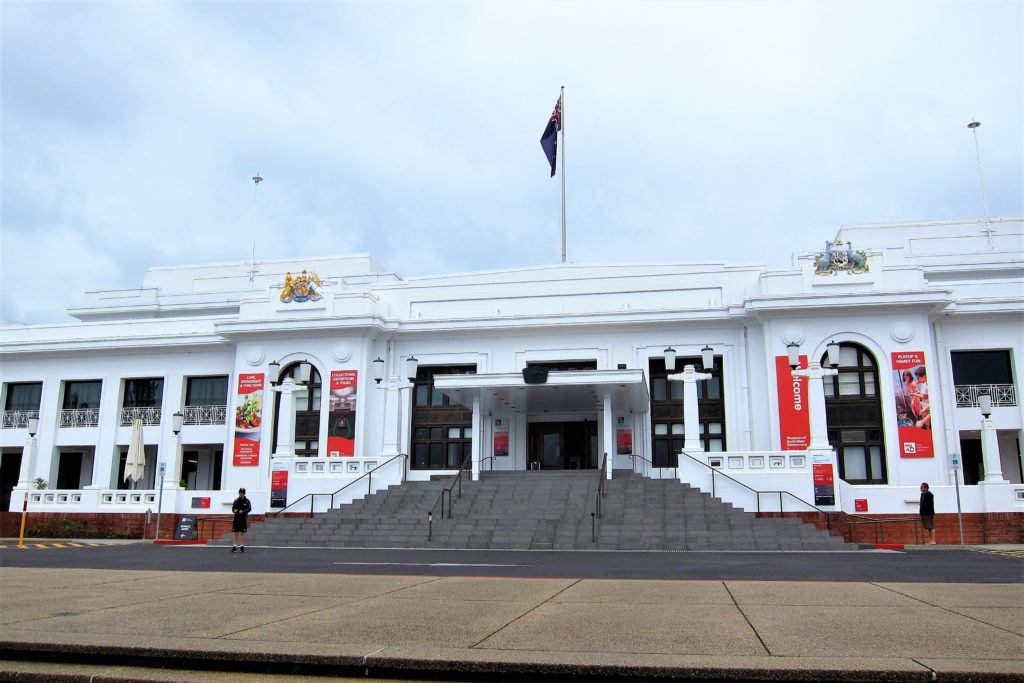
Looking down Federation Mall back to the Australian War Memorial, with the old Parliament House in the foreground
Sight or Insight of the Day
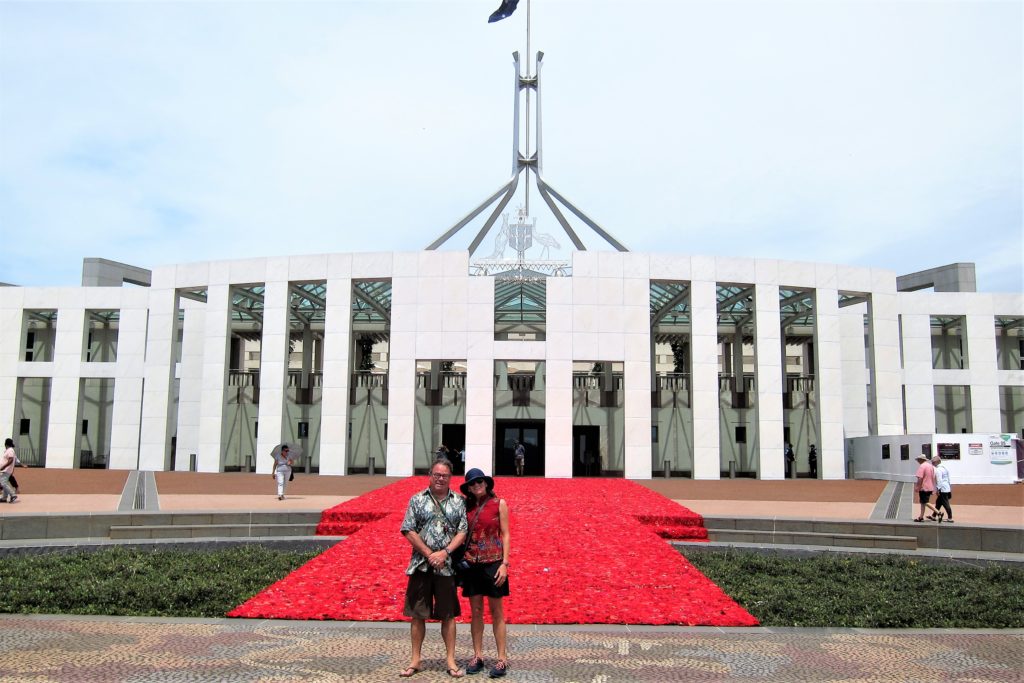
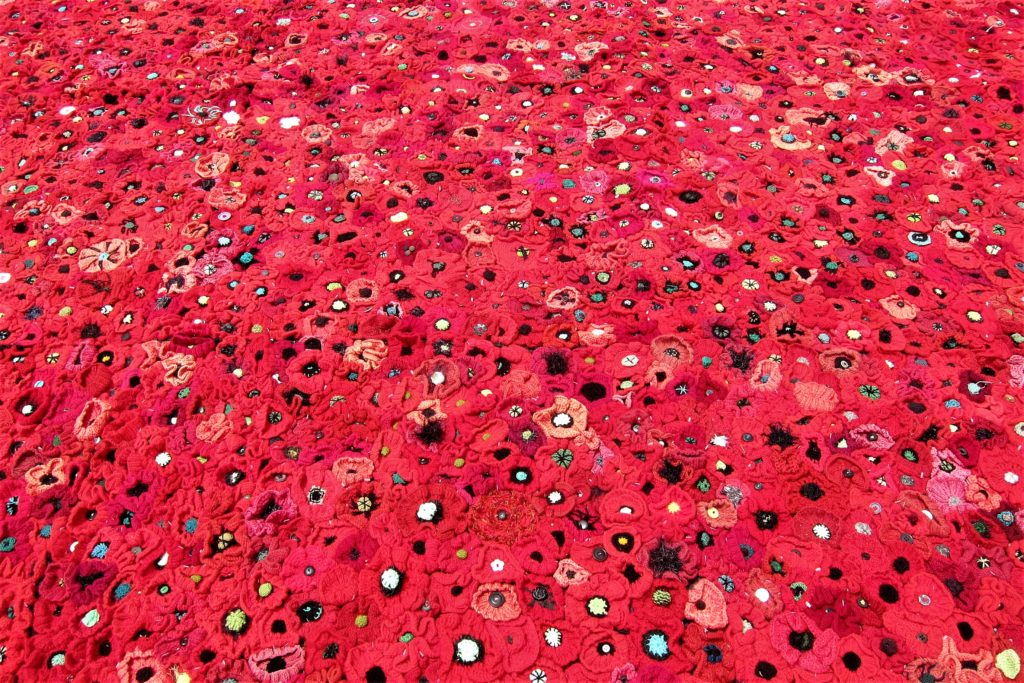
You can see the fields of red in the photos of Parliament House above.
Our interest in the Ned Kelly story continues. From Melbourne we drive north east to Kelly Country.
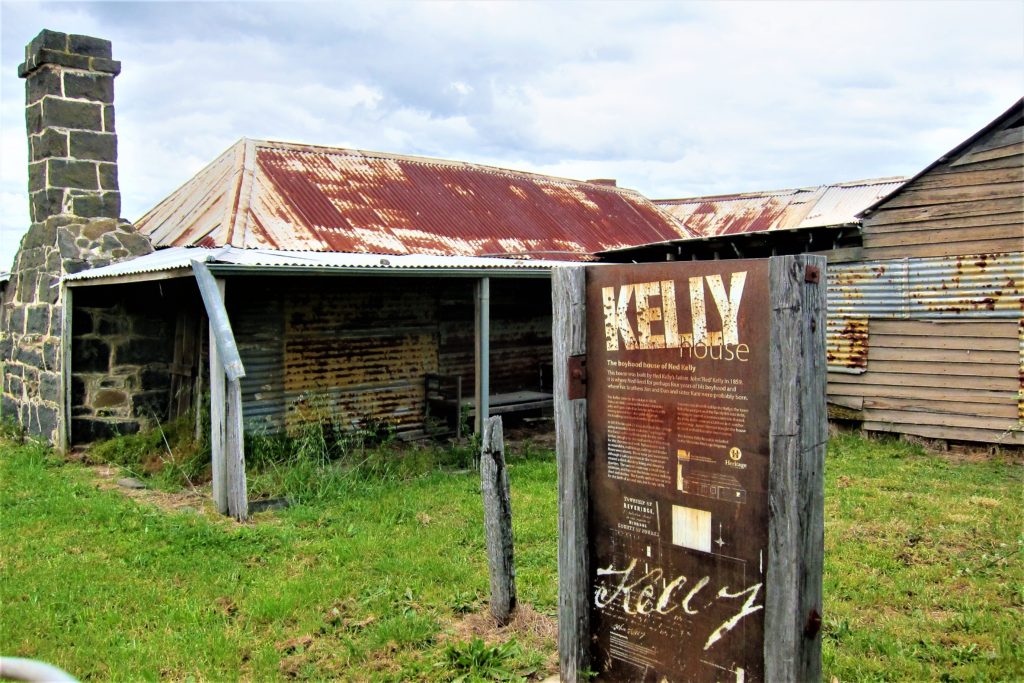
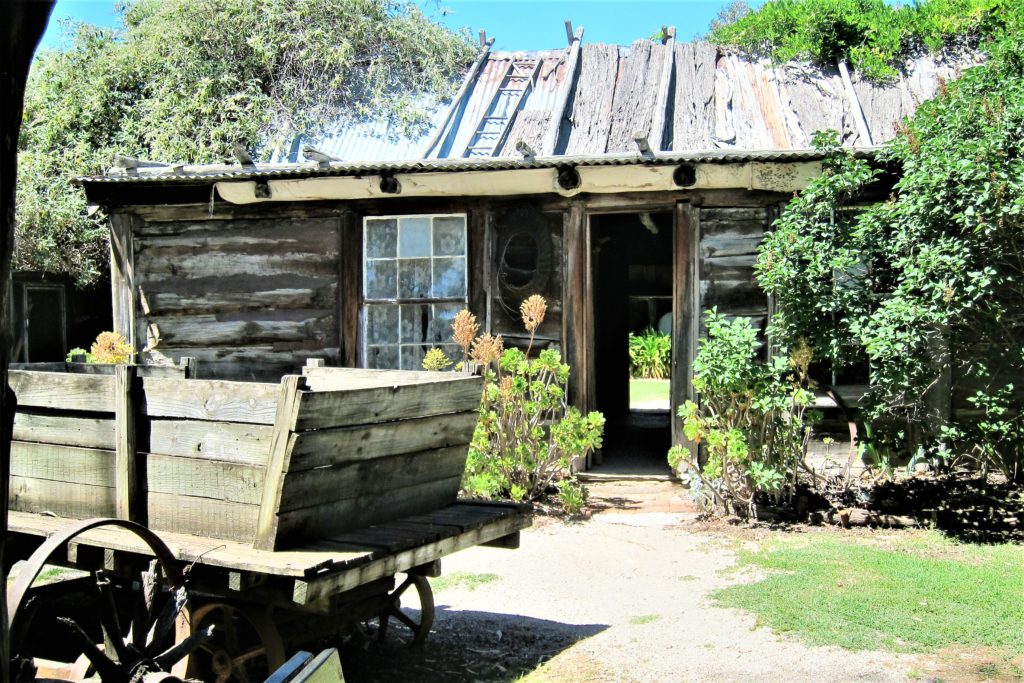
First stop is the village of Beveridge. This is the house Kelly’s father built in the 1850s. His brother and fellow gang member, Dan, was born here.
House of ill fame
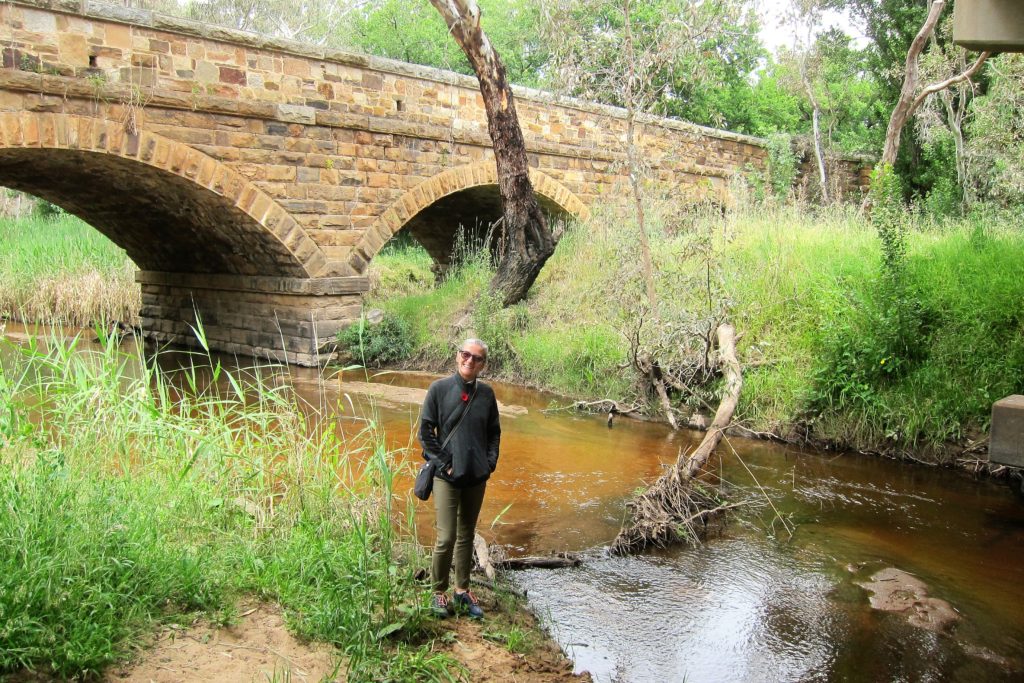
Next to the town of Avenel. As a boy, Ned saves a seven-year-old Richard Shelton from drowning near this spot on Hughes Creek. Shelton’s grateful parents present Ned with a green silk sash.
In the background is the Avenel Bridge, a minor marvel of Victorian engineering
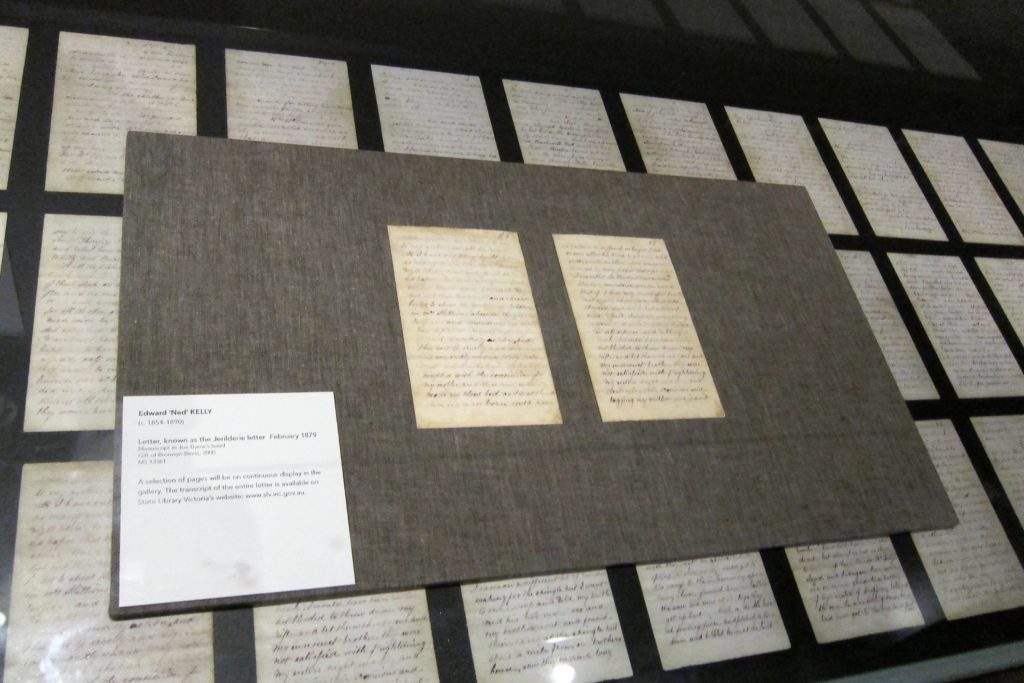
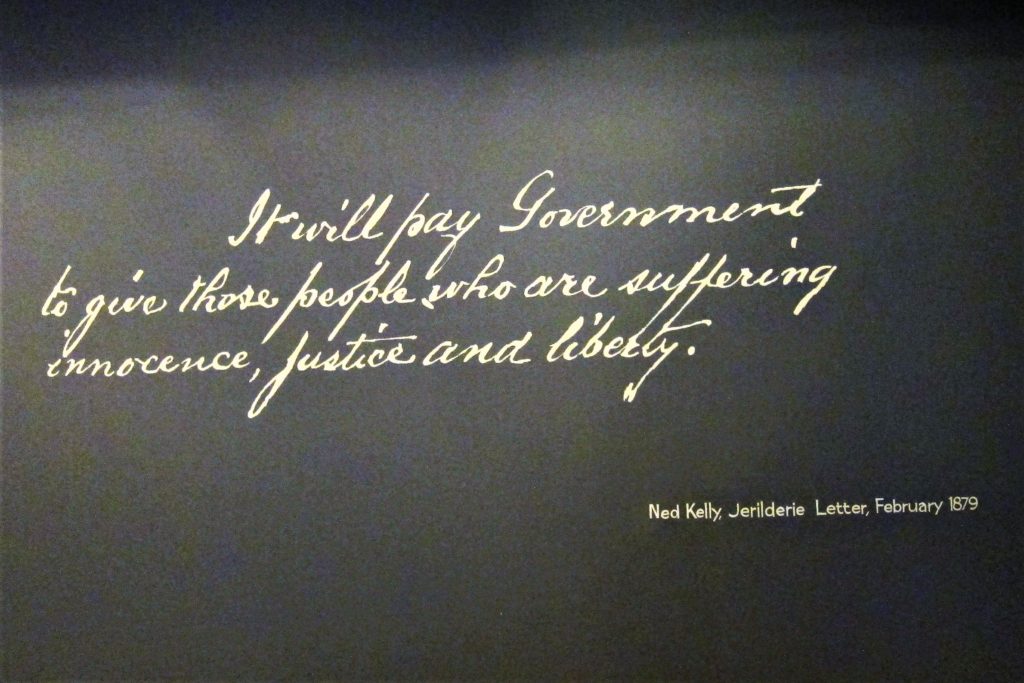
‘I do not pretend that I have led a blameless life, or that one fault justified another, but the public, judging a case like mine, should remember that the darkest life may have
a bright side …’ – Ned Kelly
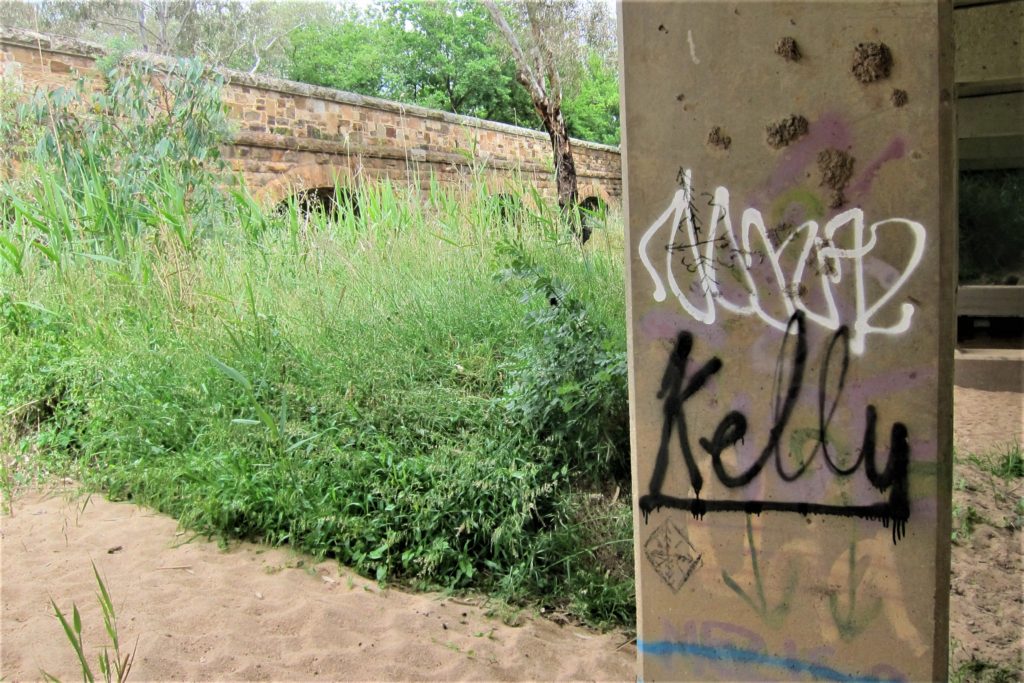
The Kelly name still means something in these parts.
Australian graffiti
After an excellent pizza in town, we go to Euroa. The Kelly gang robs a bank here, takes hostages, and treats the locals to daring feats of horsemanship.
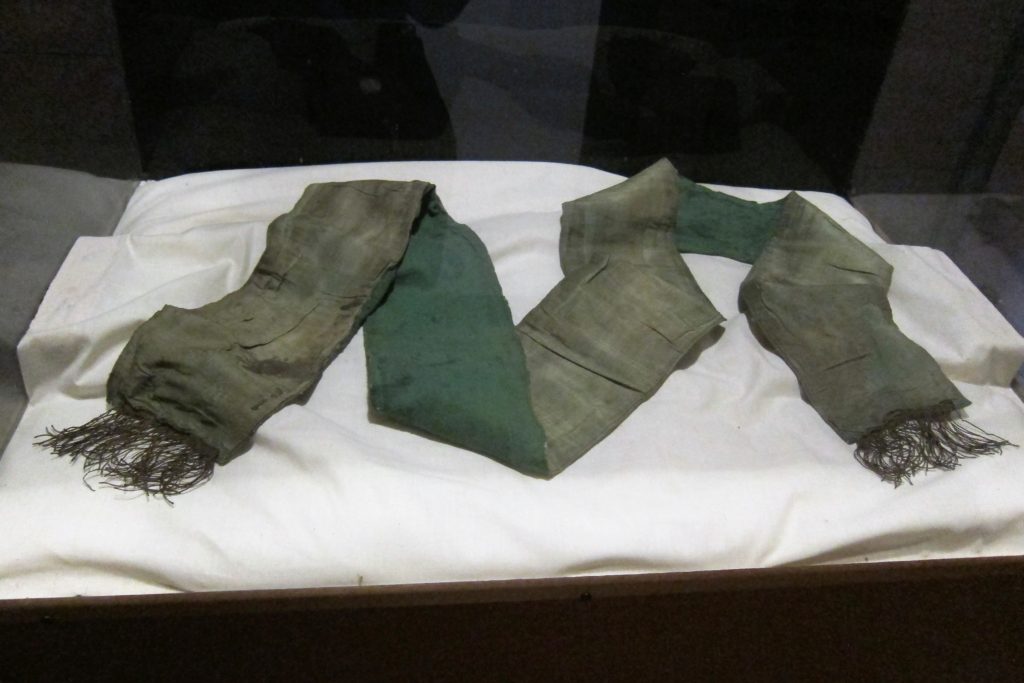
Our next stop is Benalla. They have a lot of Kelly memorabilia here, including Ned’s famous sash, which he wears at the siege of Glenrowan.
The green sash of courage
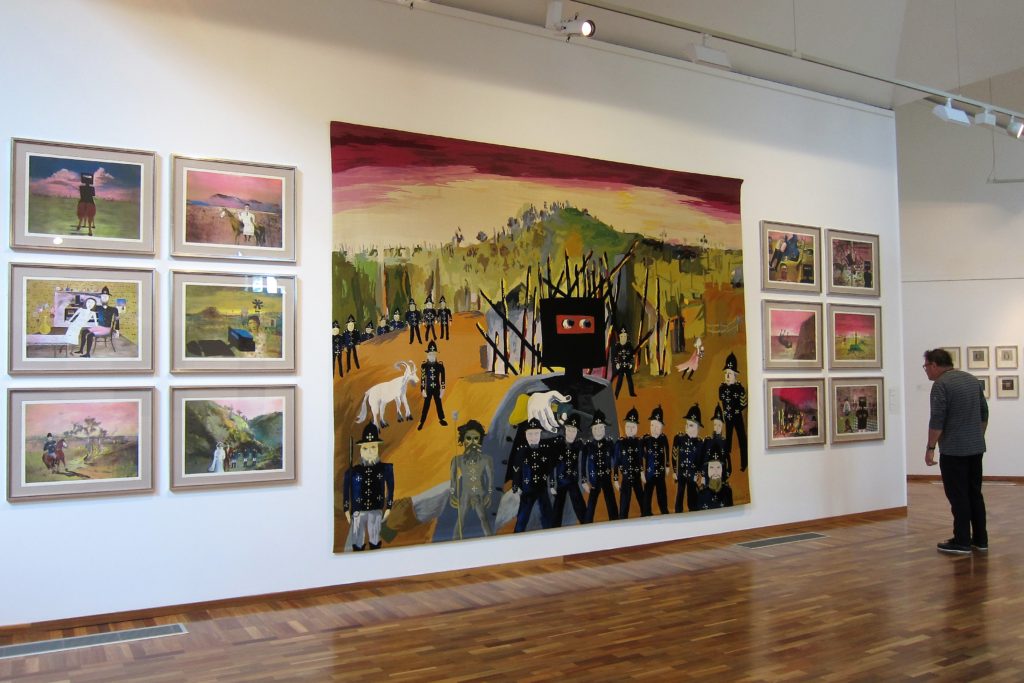
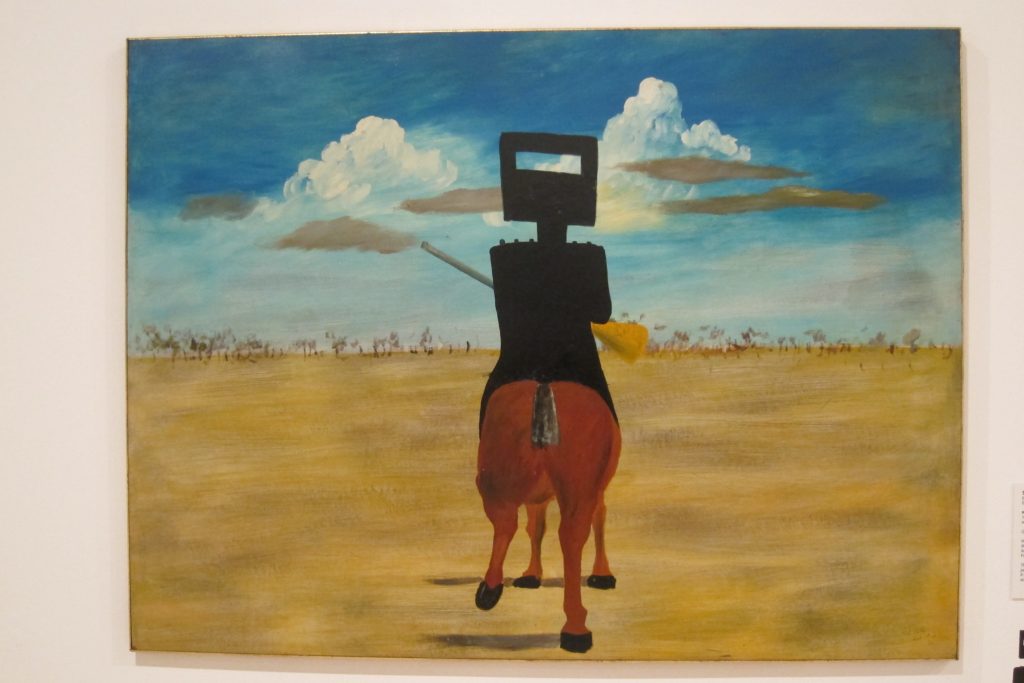
The Benalla Gallery also has a tapestry based on one of Sydney Nolan’s Ned Kelly series.
The siege at Glenrowan
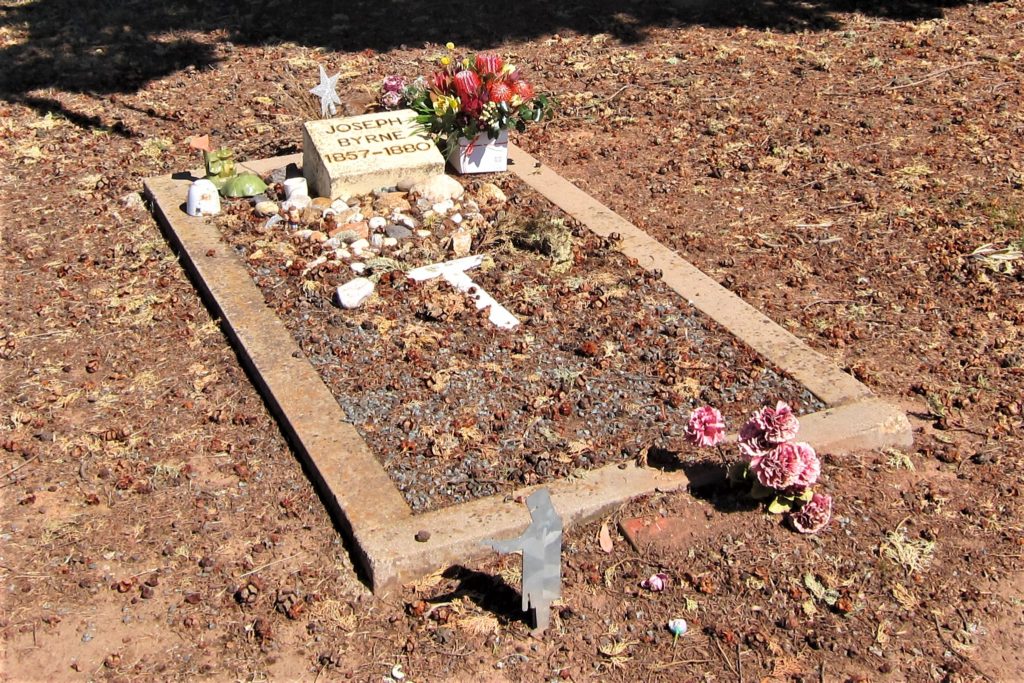
Benalla cemetery contains several Kelly-related graves, including that of gang member Joe Byrne.
Joe Byrne’s grave
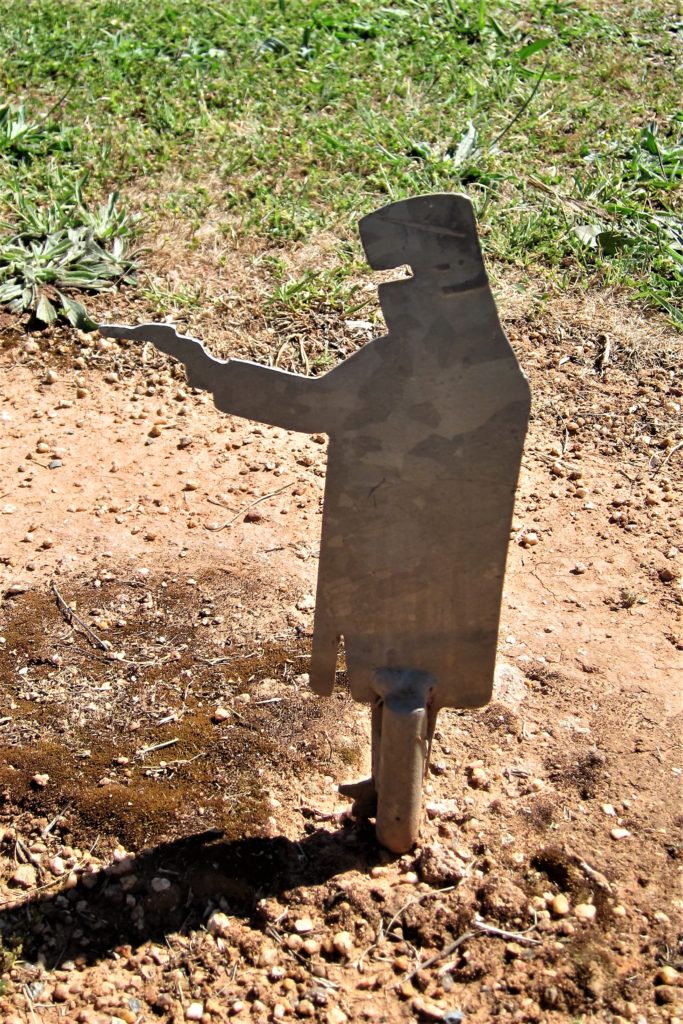
We like the stylized Ned Kellys that indicate Kelly-related graves.
Kelly in profile
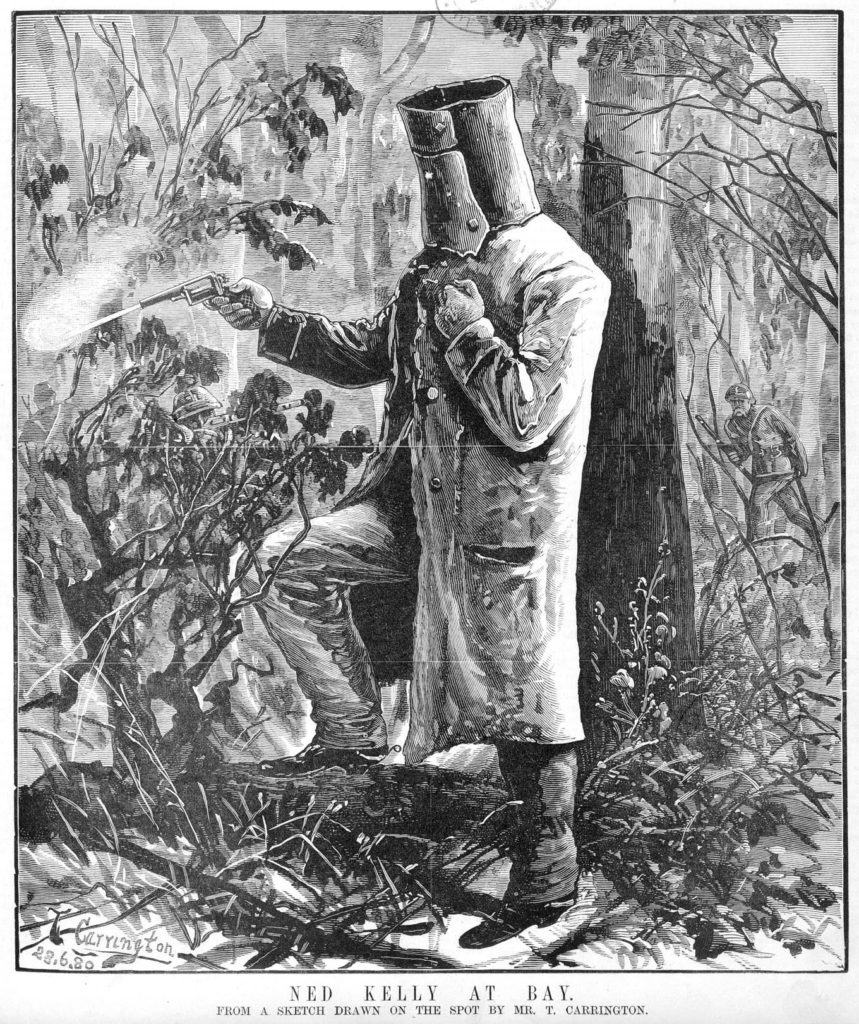
It’s based on a contemporary etching that appears in the press.
Ned Kelly at bay
Further down the road is Glenrowan, site of Kelly’s last stand.
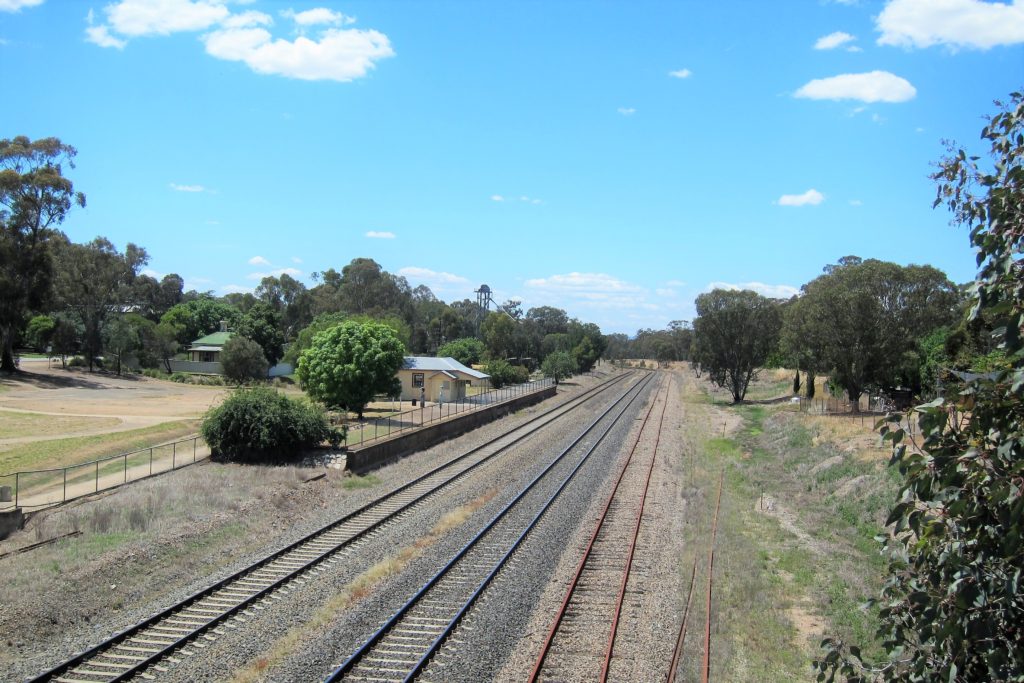
This is Glenrowan train station. A train full of policemen arrives from Melbourne to take down the Kelly gang.
People get ready, there’s a train a’comin…
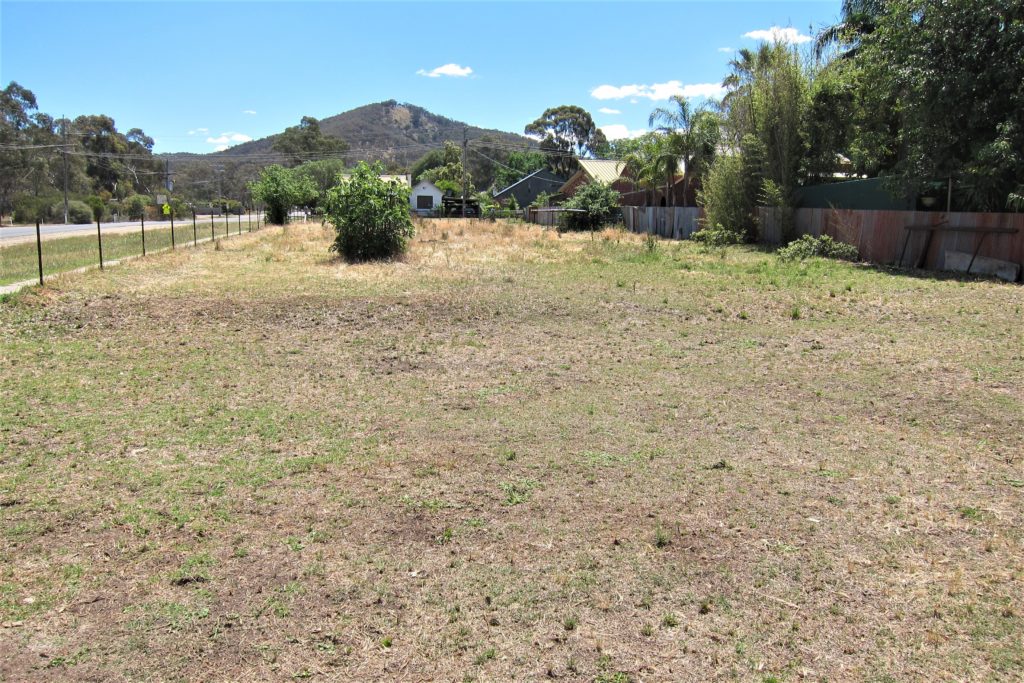
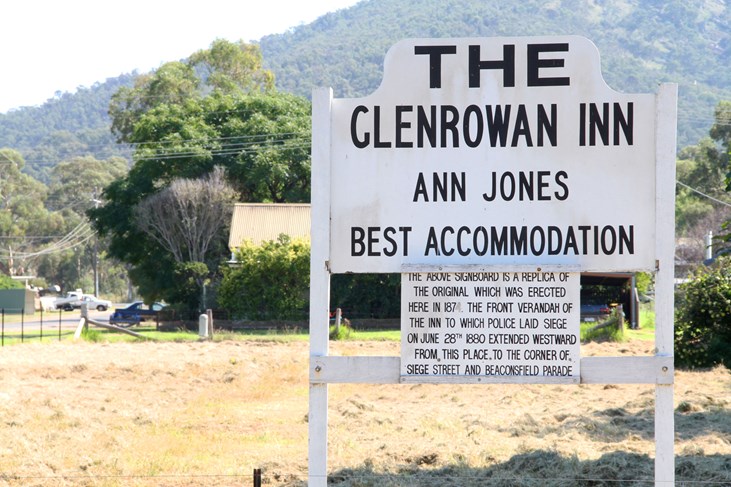
This pony paddock is the site of the Glenrowan Inn. Police besiege the inn and eventually burn it to the ground.
Such is lifeKelly country
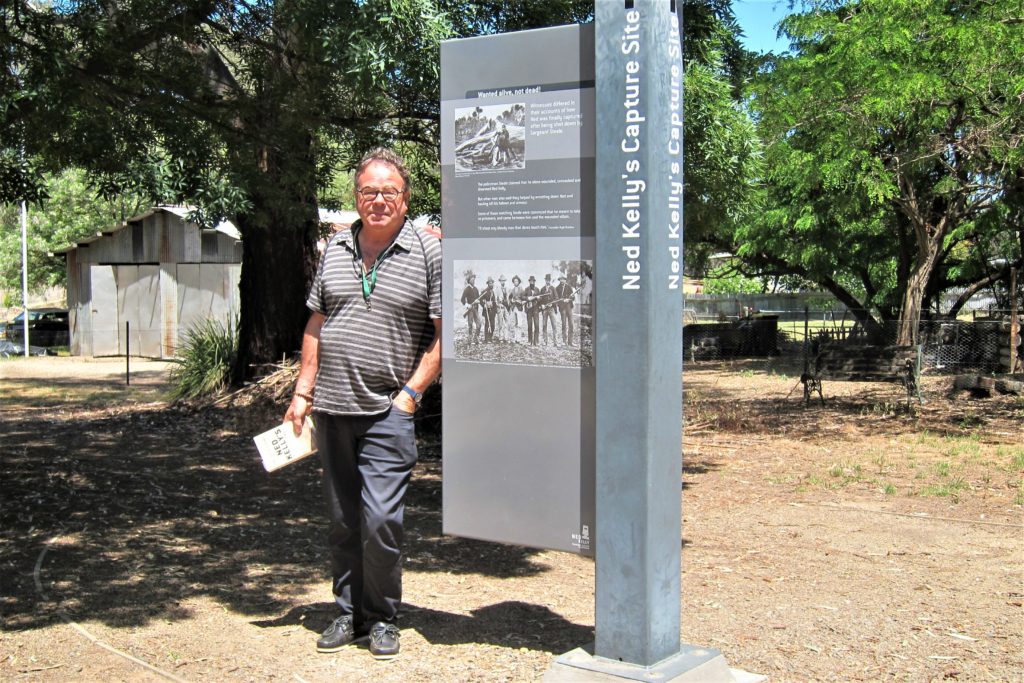
This is the spot where the police capture Ned after his collapse.
Man down
Among all the tourist tat in Glenrowan is a well-presented collection of Kelly memorabilia in the shop ‘Kate’s Cottage’.
Replica settler’s homestead
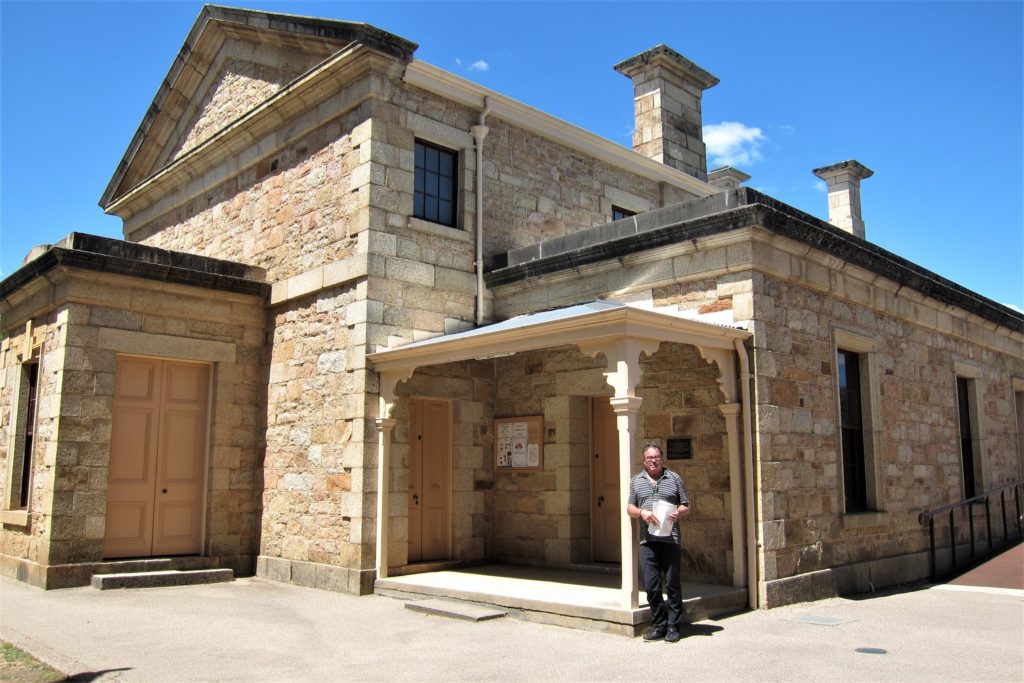
We move on to Beechworth, a pretty town now, once a centre of lawlessness in the gold rush days.
Many of the Kelly family spend a lot of time here, um, doing time.
Jailhouse Rock
Or otherwise appearing before a magistrate.
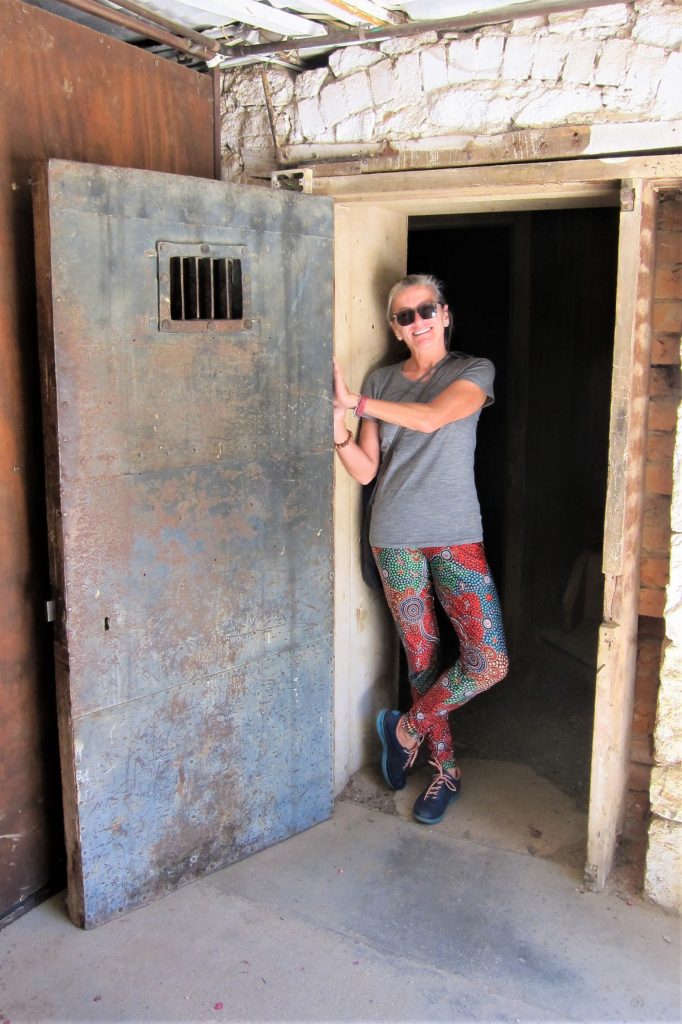
In the basement of the Beechworth courthouse is a cell regularly occupied by Harry Power. Ned Kelly is ‘apprenticed’ to this bushranger at the age of fourteen.
Your usual cell awaits, Harry
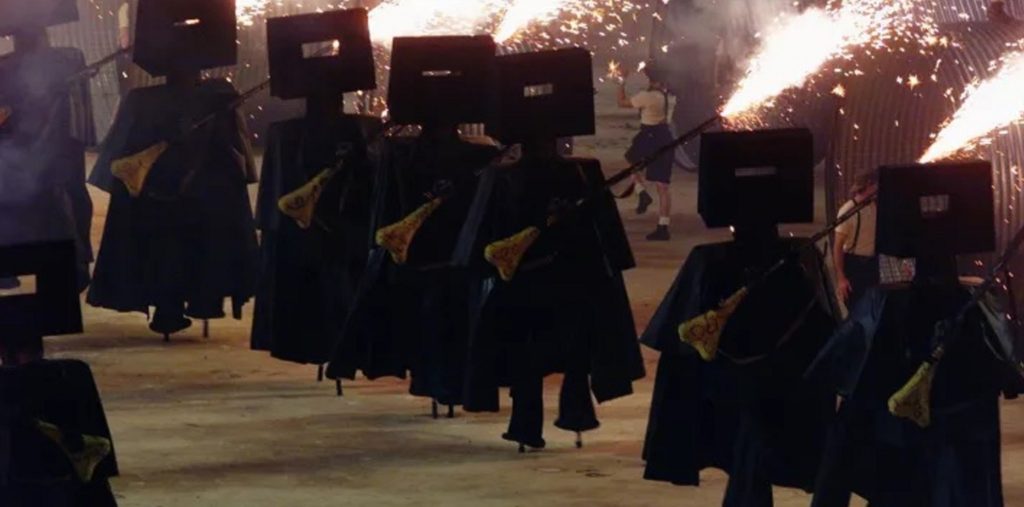
Murdering thug or avenging friend of the oppressed? Probably just a flawed individual like the rest of us. But so iconic is the Kelly story that the opening ceremonies of the Sydney Olympics in 2000 featured a troop of Nolanesque Kelly figures.
Heroes and villains
Sight or Insight of the Day – Kelly Country
On our way north of Yass, NSW, we see another echidna.
Spining for the fjords
Tradition says if you see an echidna, you’ll have good luck for the next three days. (I just made that up. We simply like them.)
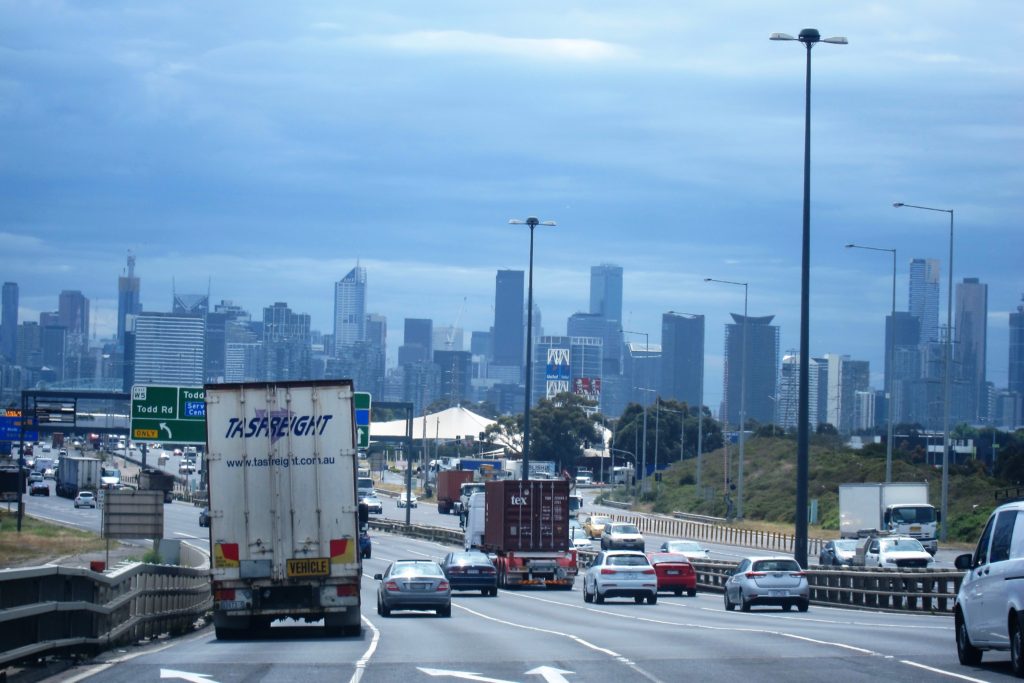
From the relative calm of Geelong, we arrive in the urban maelstrom that is Melbourne.
(This entry is brief and at least a week out of date. As usual, finding reliable WiFi in Australia is always difficult. At the moment, we’re reduced to sitting in a McDonald’s in Canberra to leech off of their one hour of free WiFi.)
City by the Bay
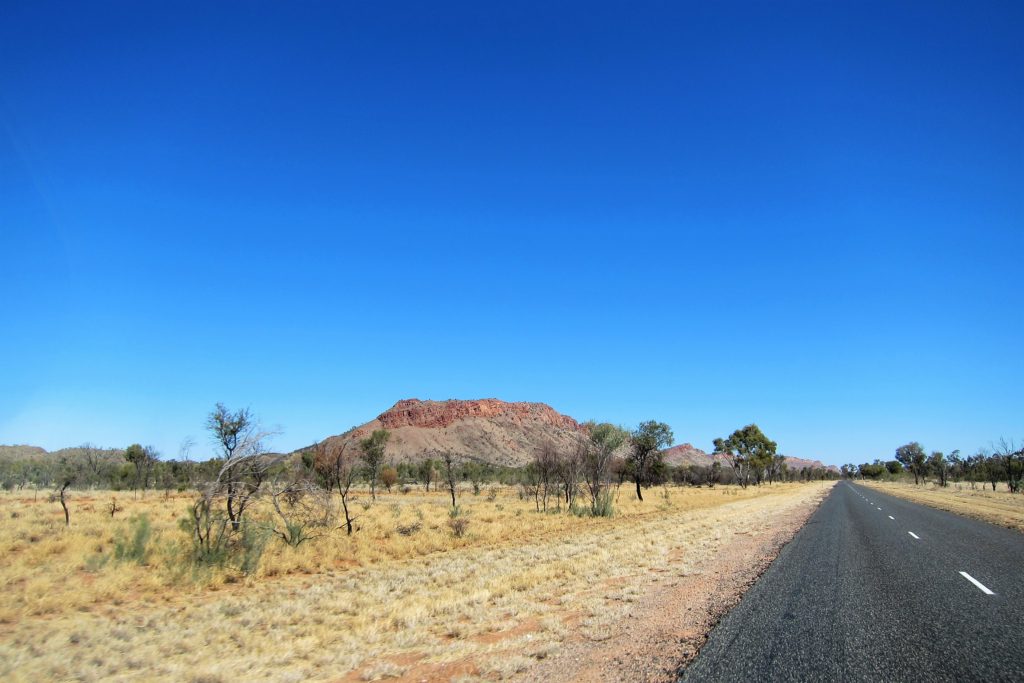
To navigate these streets is enervating. We are more accustomed to driving in conditions like this:
Heavy traffic in the MacDonnell Ranges
By accident, we arrive on the day of the Melbourne Cup. This is a big deal here. We toy with the idea of attending, but a deluge of rain on the day puts us off.
‘Heide’ is short for ‘Heidelberg’ – a local neighbourhood
This is the former home of John and Sunday Reed, patrons of the arts in the 30s, 40s, and beyond. Probably most well-known for bringing the talents of Sydney Nolan to the world.
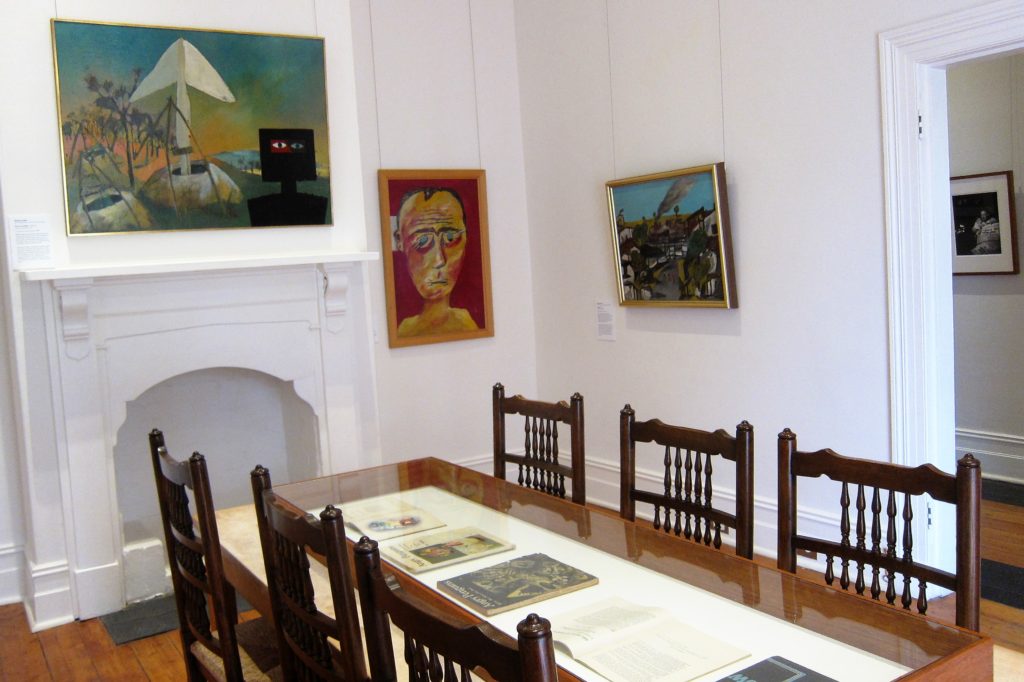
Most of Nolan’s famed Ned Kelly series (which we were fortunate enough to see in Perth) were painted at the kitchen table as the Heide circle thrashed out artistic solutions to the world’s problems.
Table of discontents
The Reeds and Nolan were engaged in a ménage à trois that was unconventional and, um, interesting, to say the least.
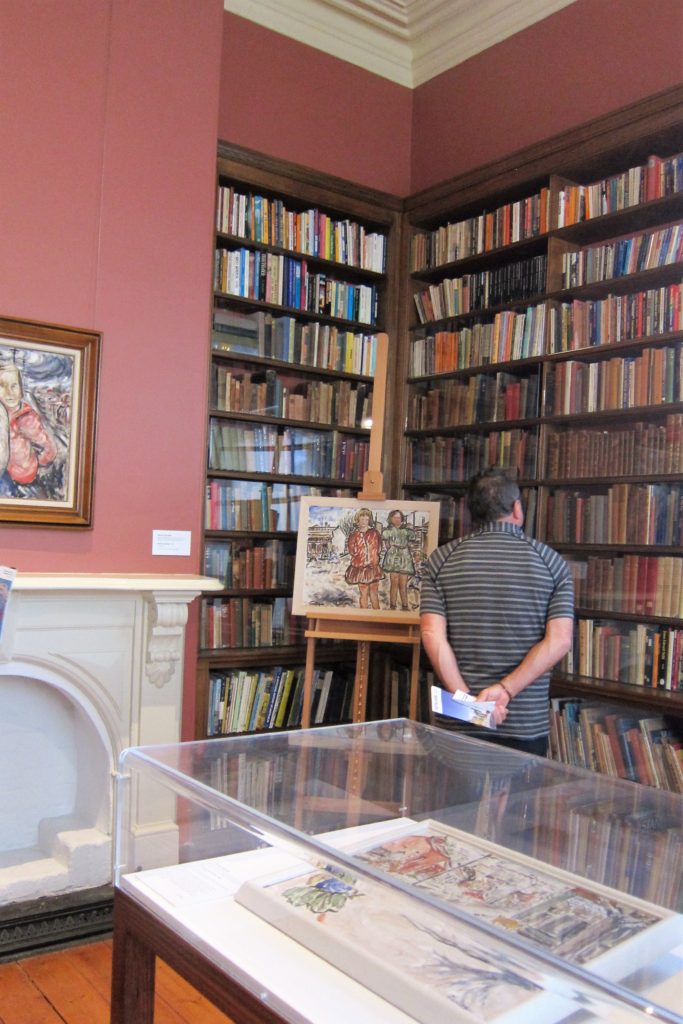
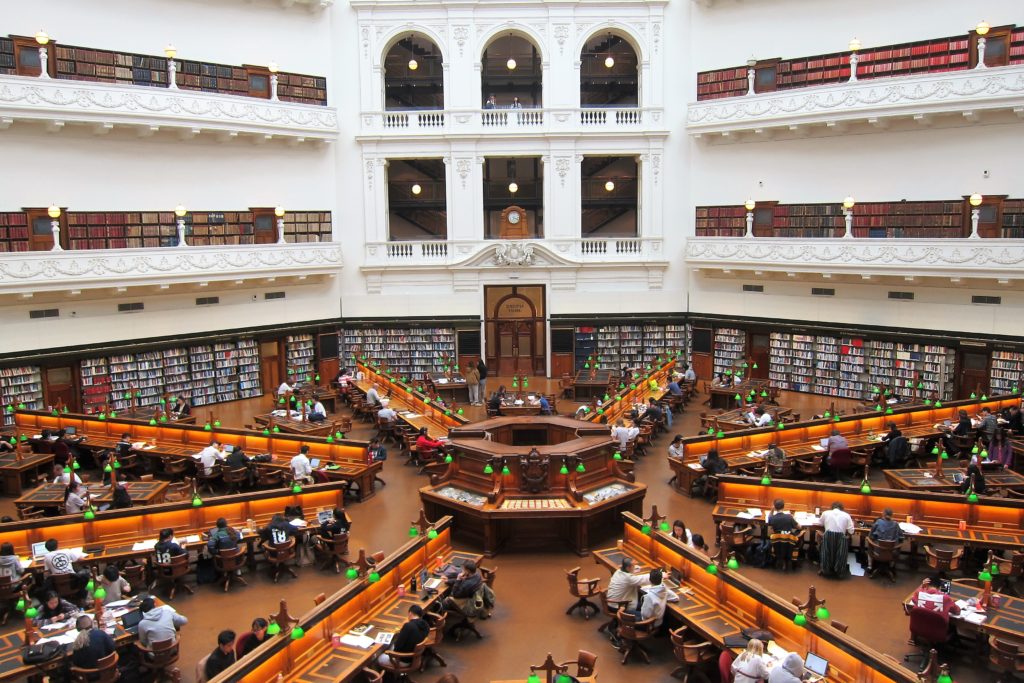
There’s also a wonderful library.
Bookish
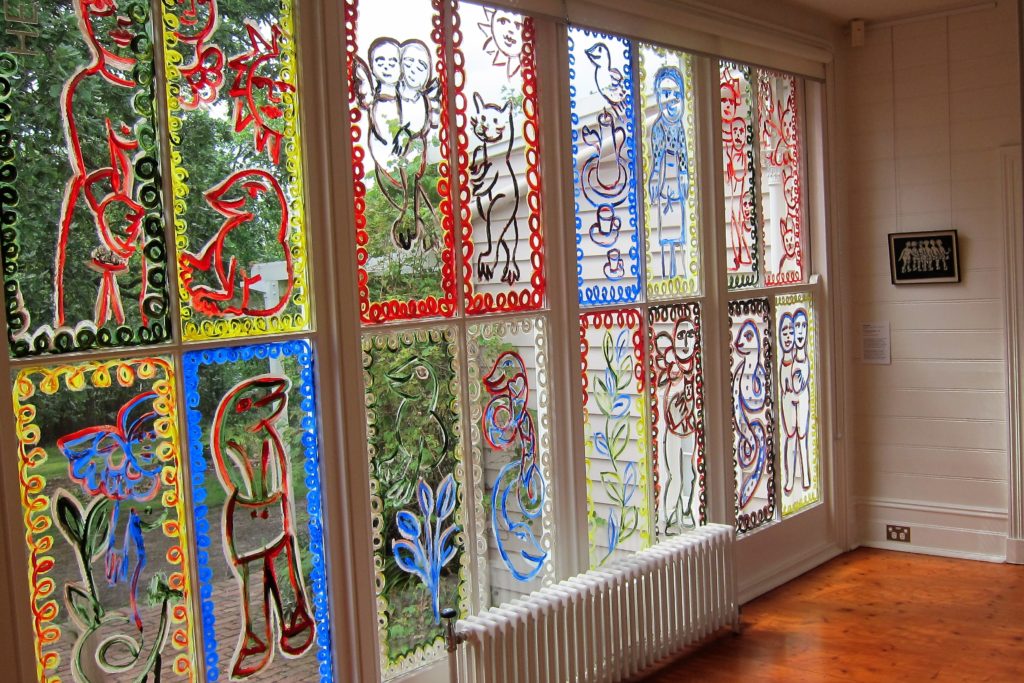
The rear windows are painted by Mirka Mora, another Heide
habitué.
Clearly creative
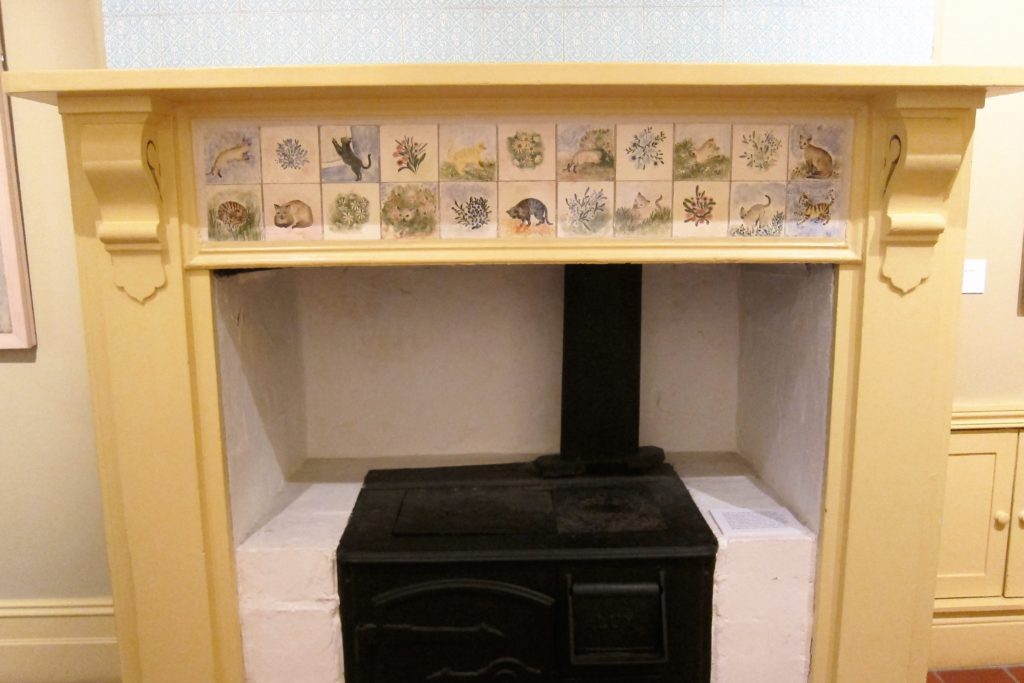
We like the tiles over the stove in the kitchen.
Tiles
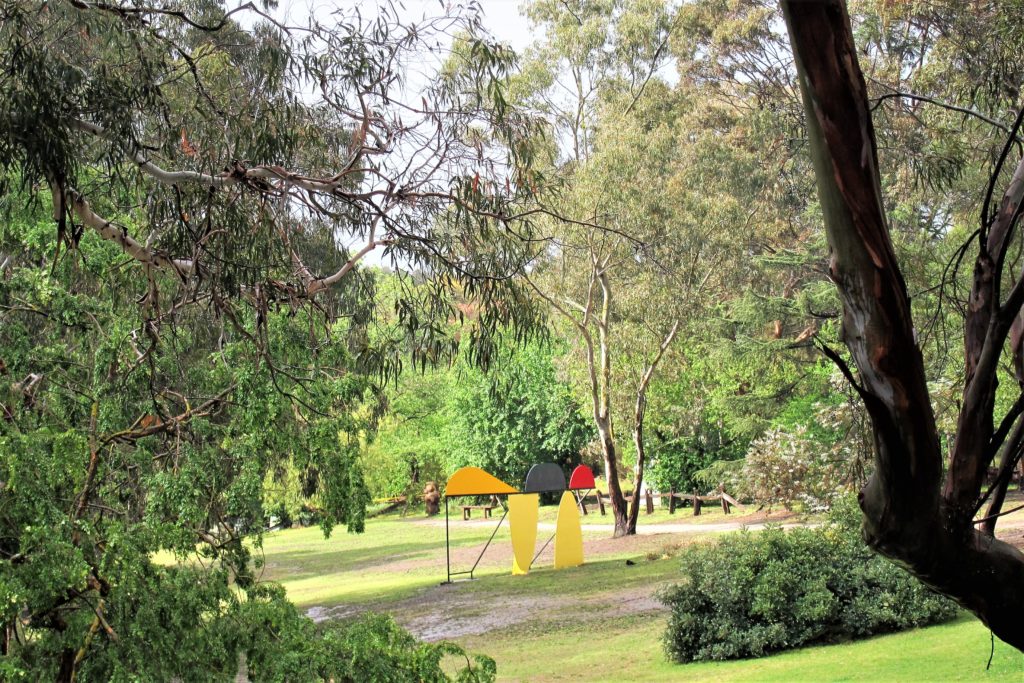
The surrounding grounds are now a sculpture park. Signs warn to beware of snakes, especially at this time of year.
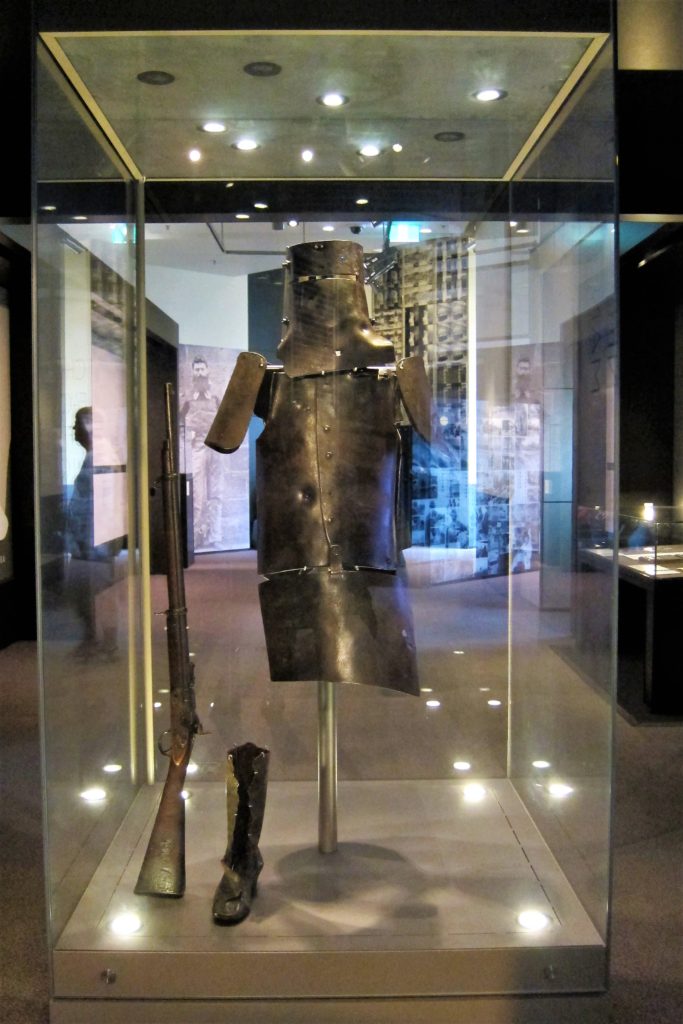
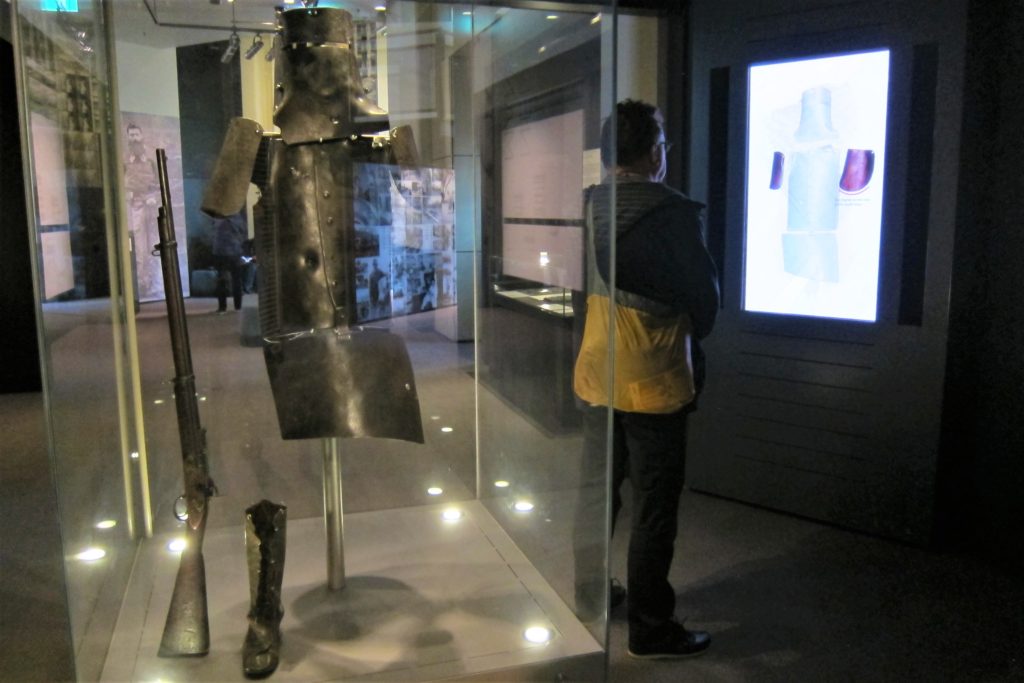
There’s an interesting video about the construction of this armour out of stolen ploughs.
Bush blacksmithery explained
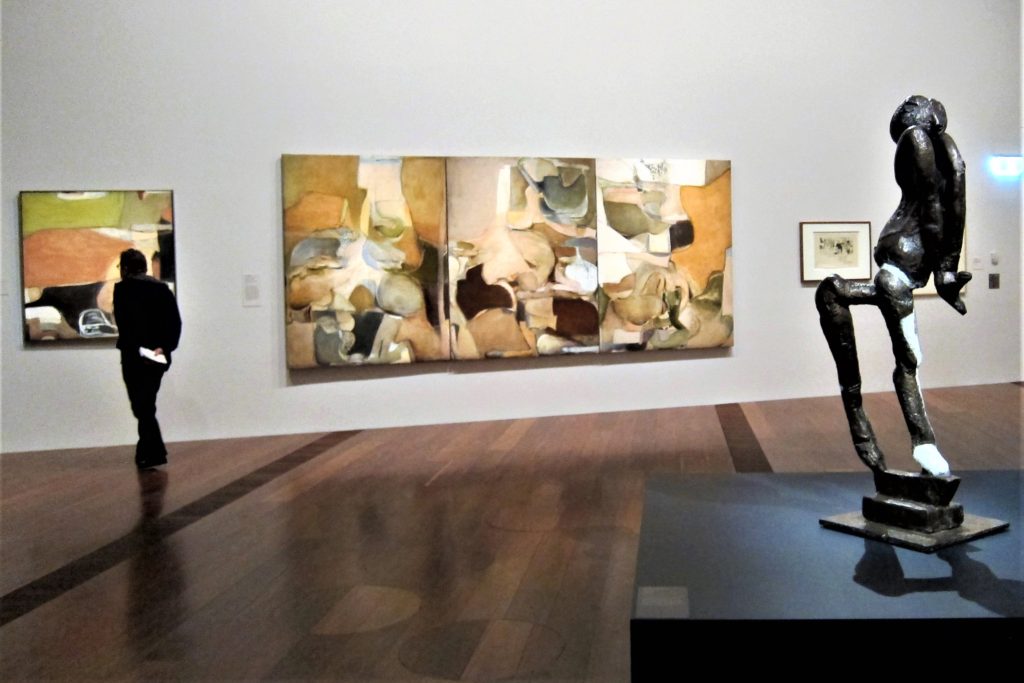
The weather in Melbourne continues to be cool and wet. Good weather for visiting the State Gallery of Victoria.
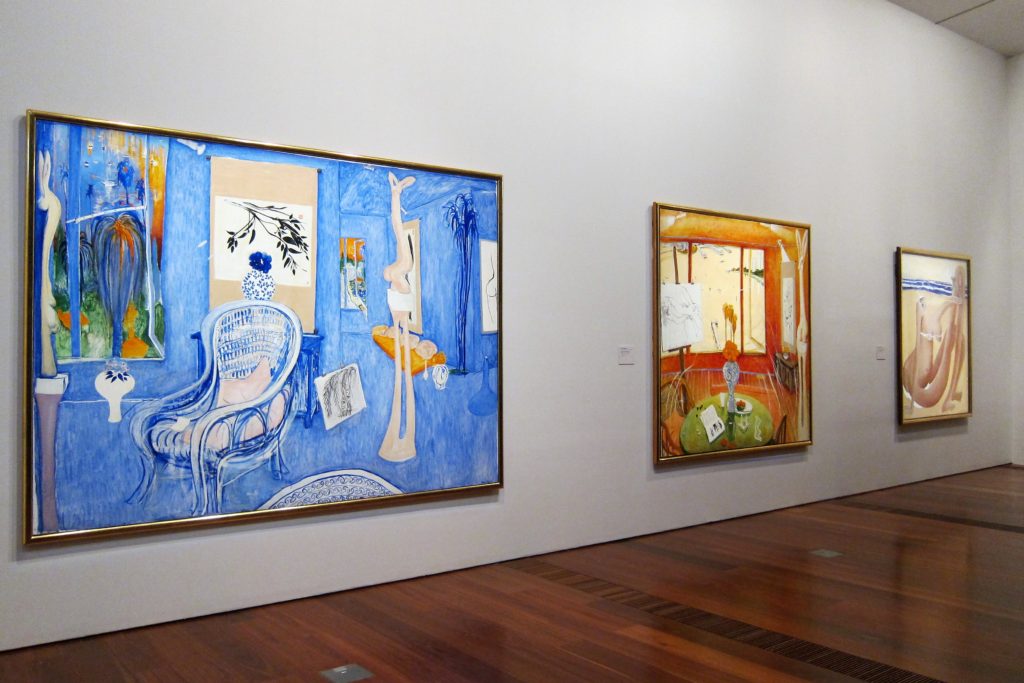
Our luck continues, as the Gallery has an exhibit co-featuring Brett Whiteley, whom we first learned about in Sydney.
Melbourne
The other artist is George Baldessin.
But we prefer Brett.
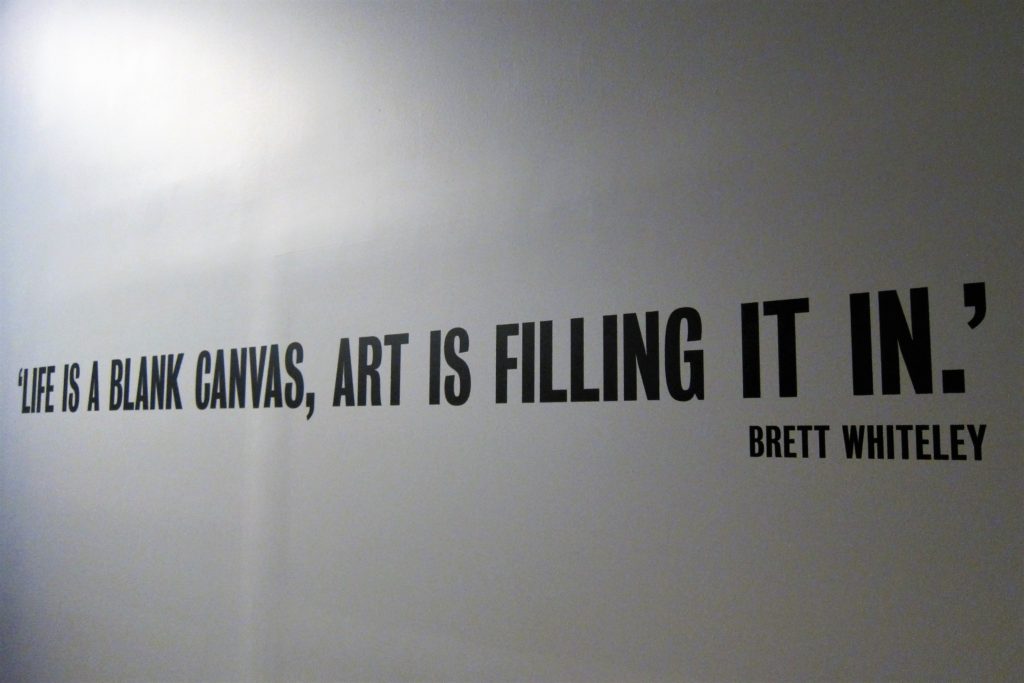
More words to live byWhiteleys on show
Sight or Insight of the Day – Melbourne
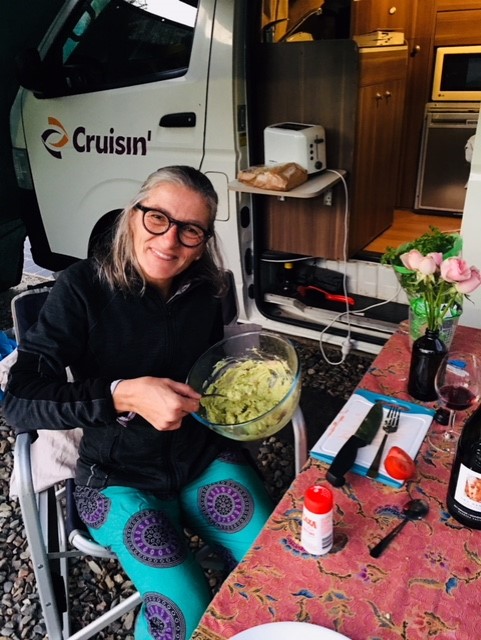
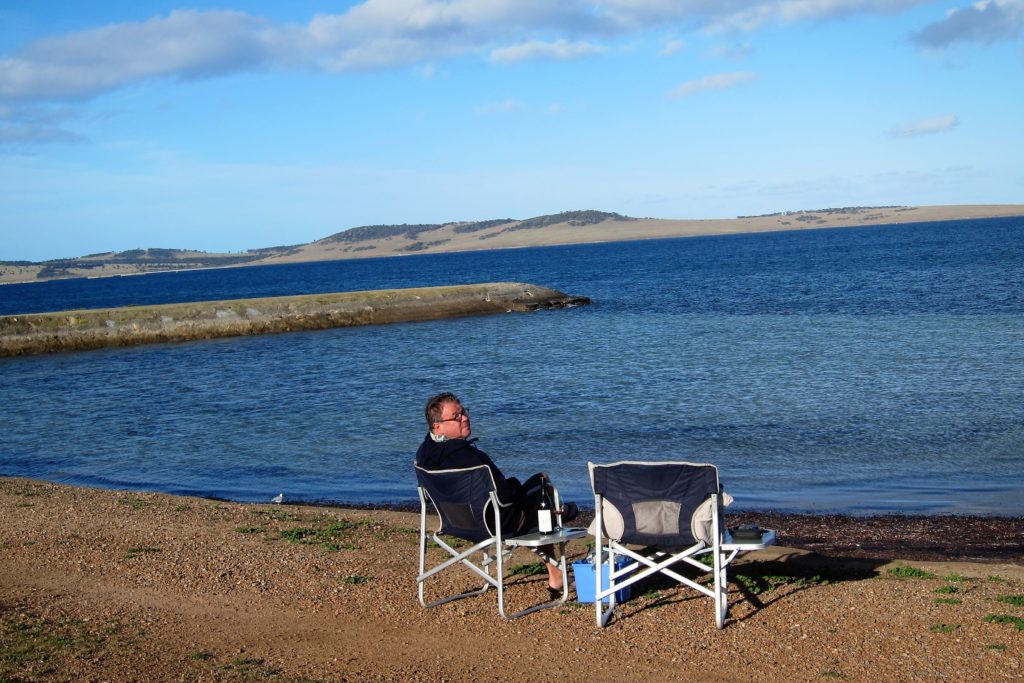
We never free-camp. Often, when people speak of traveling around Australia by camper-van, visions spring up of overnighting on a deserted beach or under the stars alone in the bush. We thought like this as well.
As it turns out, we prefer the luxury of having electricity and proximity to a hot shower. Worth the AUD30 or so, in our opinion.
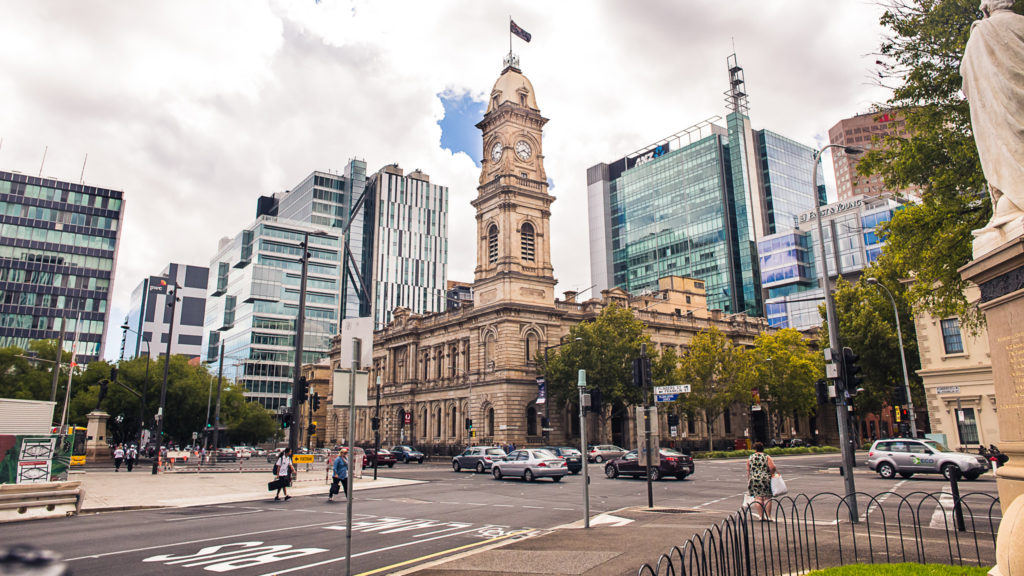
From the Barossa Valley, we arrive in nearby Adelaide
Adelaide GPO, where we pick up some mail
Poor South Australia often gets missed by overseas visitors – people with time restrictions usually limit themselves to the east coast. This state has so much going for it.
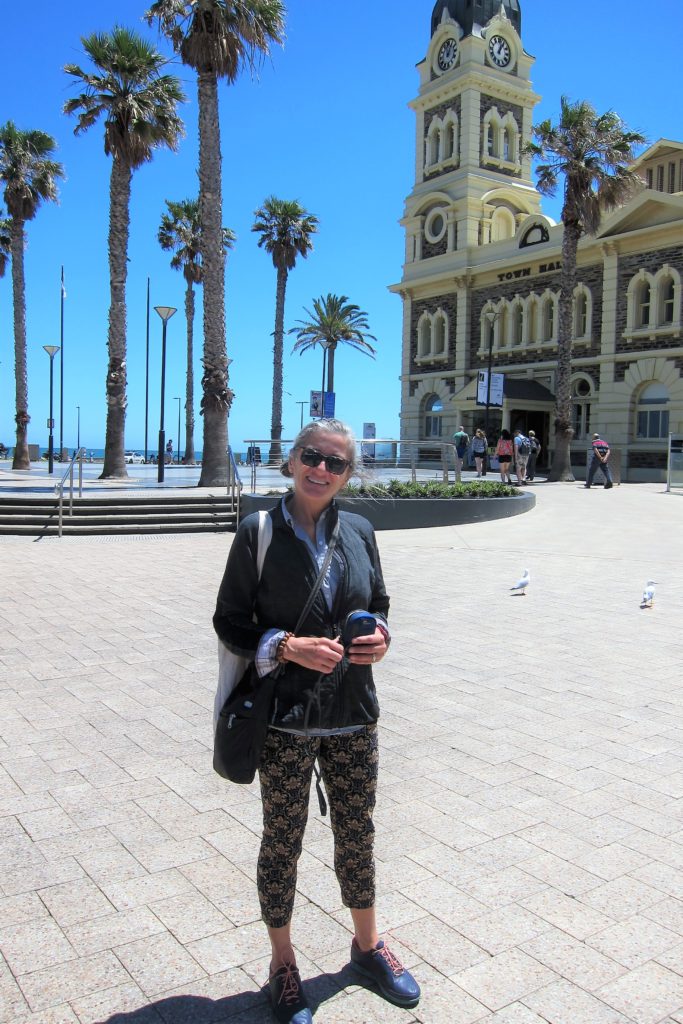
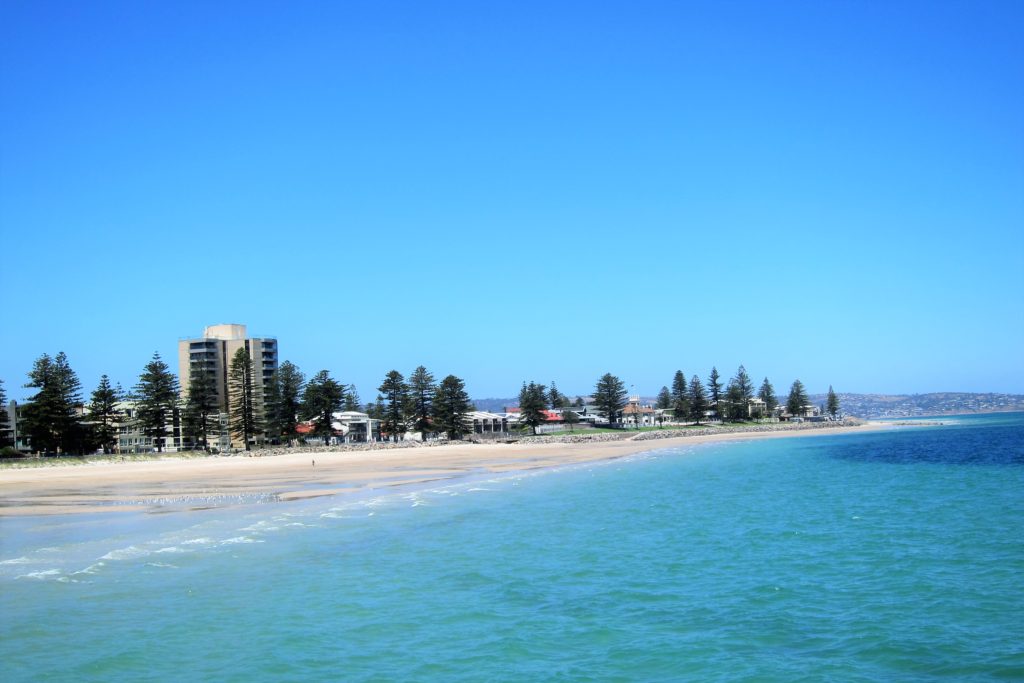
We take a tram out to Glenelg, where there is a beach.
Glenelg foreshore
The water is a beautiful blue, but cold at this time of the year.
Glenelg coastline
Yep, South Australia has it all; great seafood, rich wheat-belts, mineral wealth, superb wineries, opals, former nuclear weapon test sites, and a classy state capital.
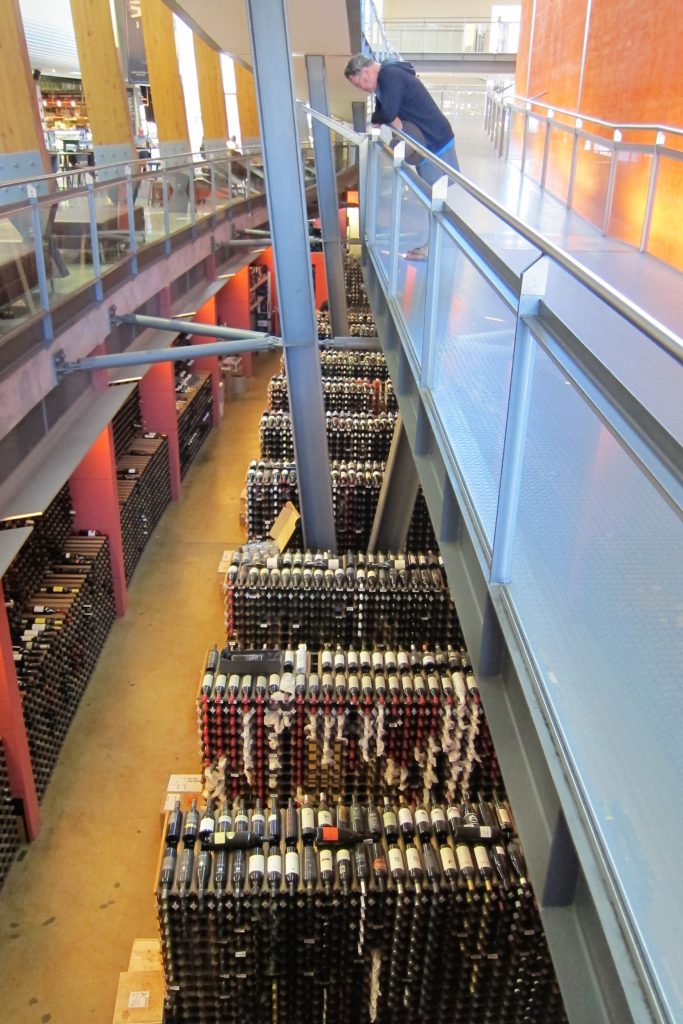
We visit the National Wine Centre. Explains the history of the ever-more-successful Australian wine industry.
38,000 bottles and counting
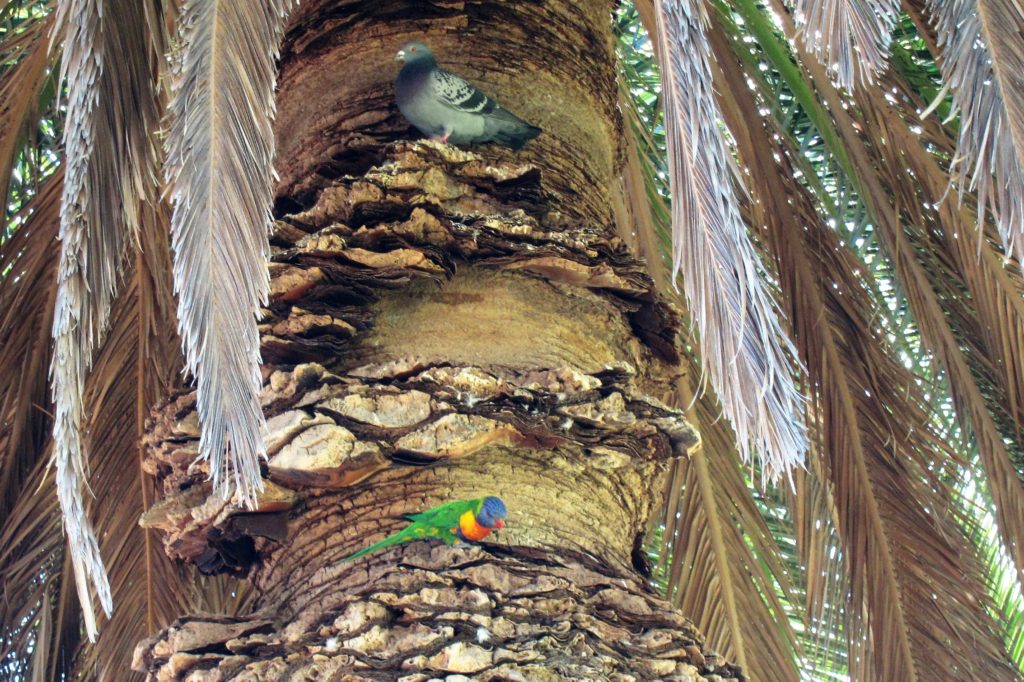
We take a city bus from our caravan park into town every day. Beside the bus stop is a palm tree that doubles as a sort of bird condominium.
Rainbow lorikeet and pigeon share quarters
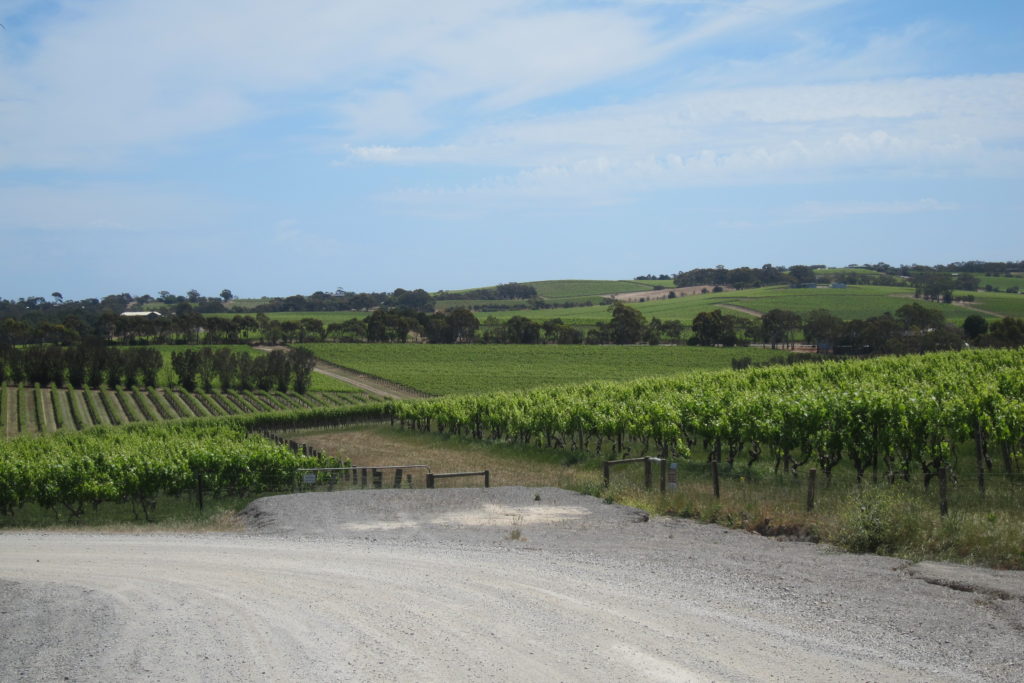
We depart for the Victoria border. But not before visiting one last South Australian wine-producing area: McLaren Vale.
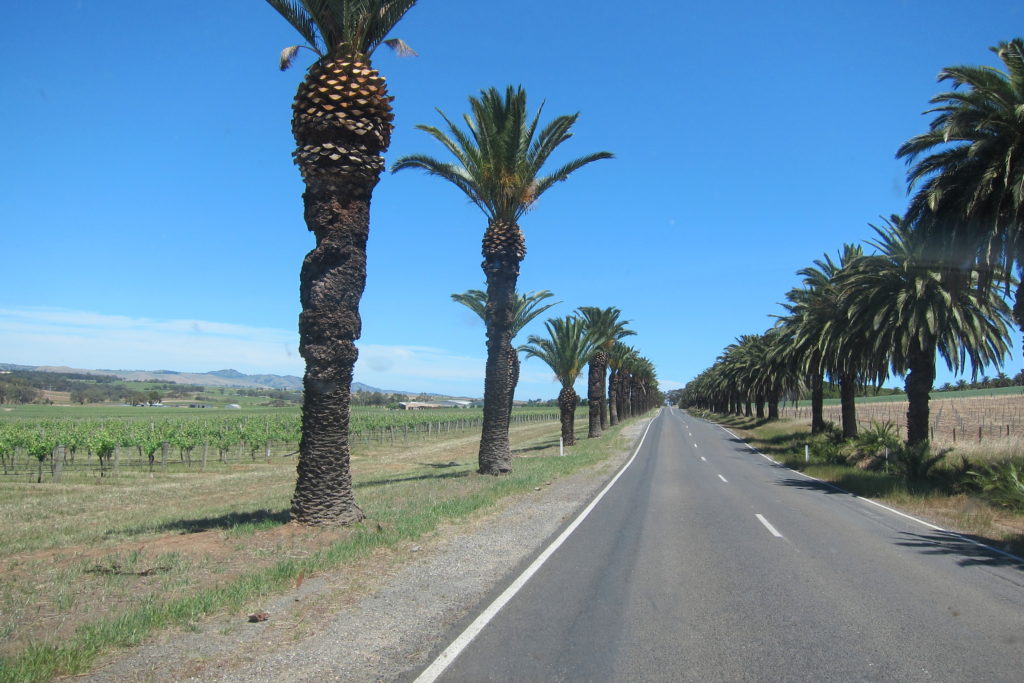
McLaren Vale vista
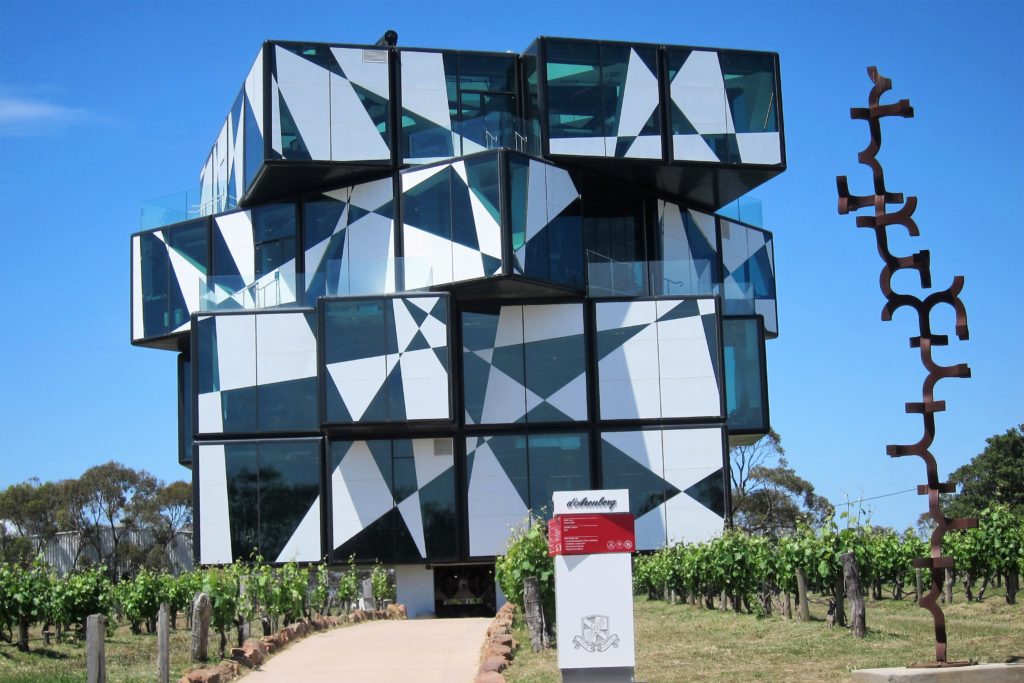
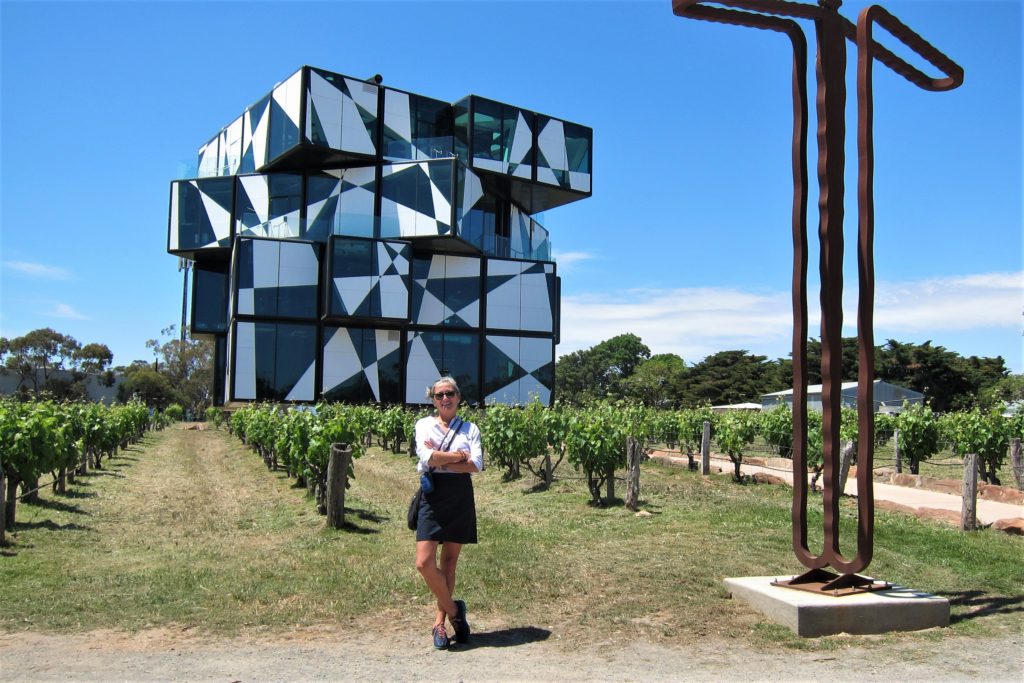
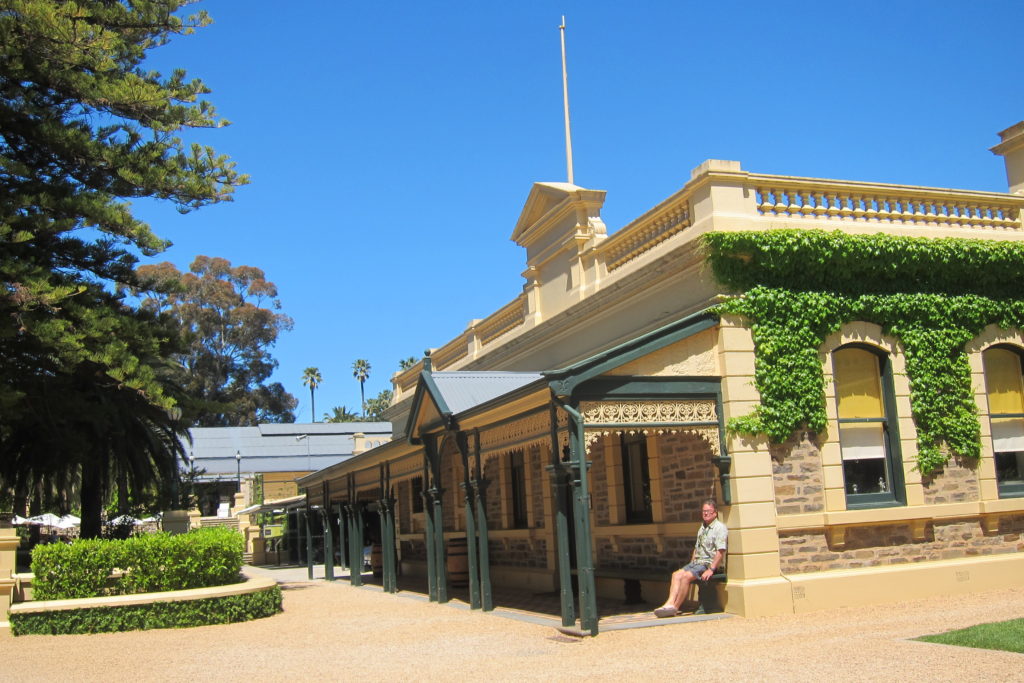
We restrict ourselves to a single vineyard, d’Arenberg. We already carry as many bottles of wine as we can reasonably transport. (But we make room for a few more.) The proprietor, Chester Osborn, is quite a character.
This is the visitor centre. It’s ‘different’, as my mother would say. It’s her polite code-word for ‘weird’.
The Cube
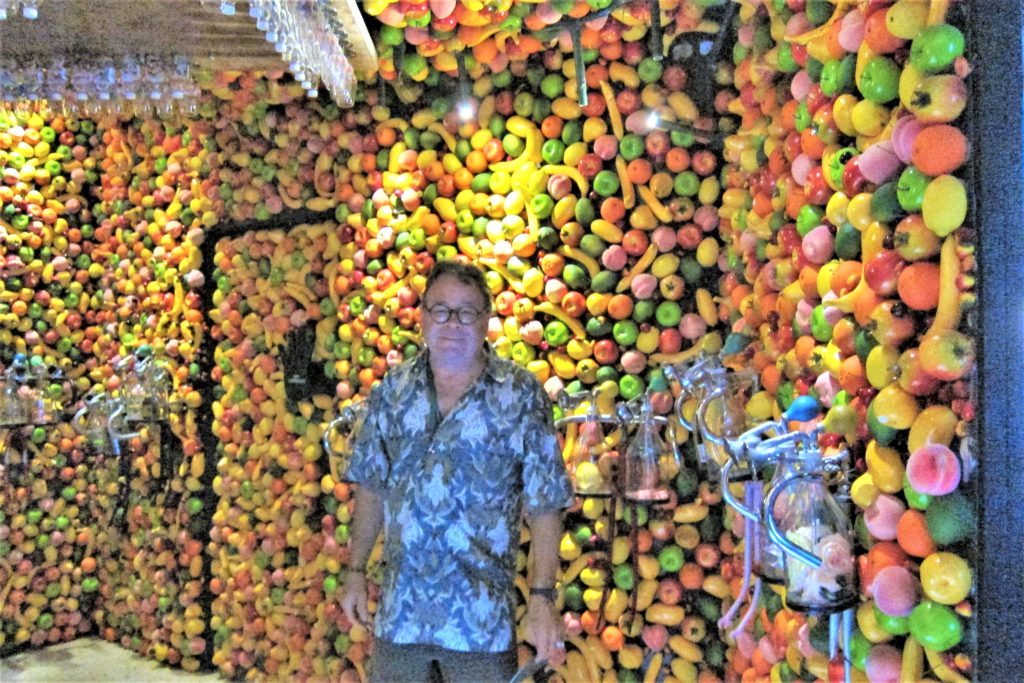
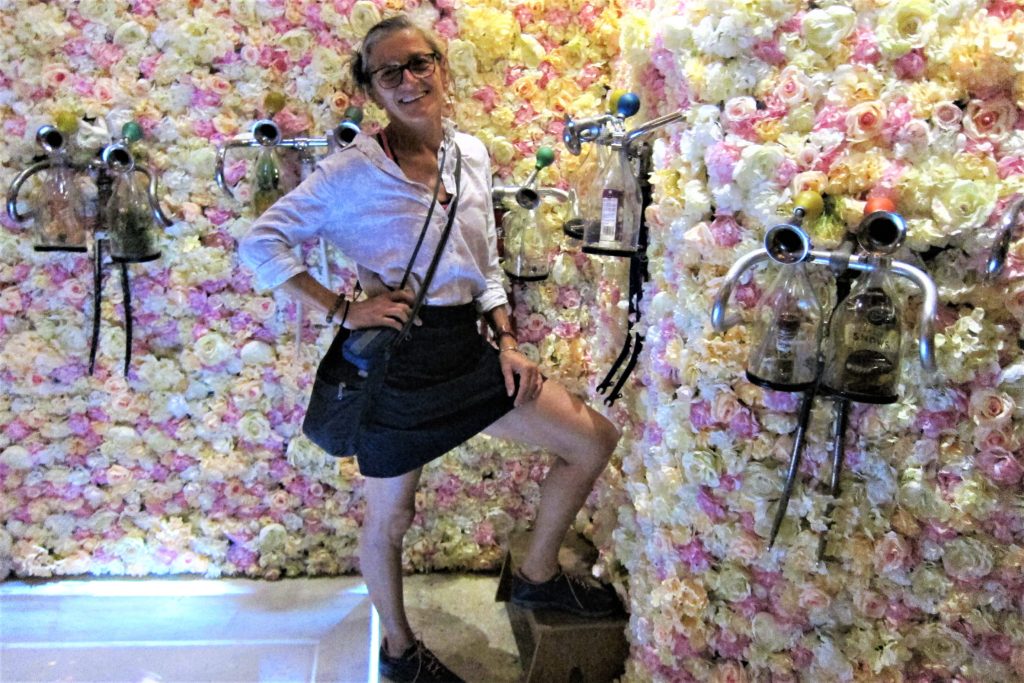
Among its oddities is a smell-o-rama room, where you squeeze bulb horns (mounted on bicycle handlebars) to get a whiff of the distinct aromas to look for in wine.
‘Fruity’ scents for reds……’Floral’ scents for whites. Get it?
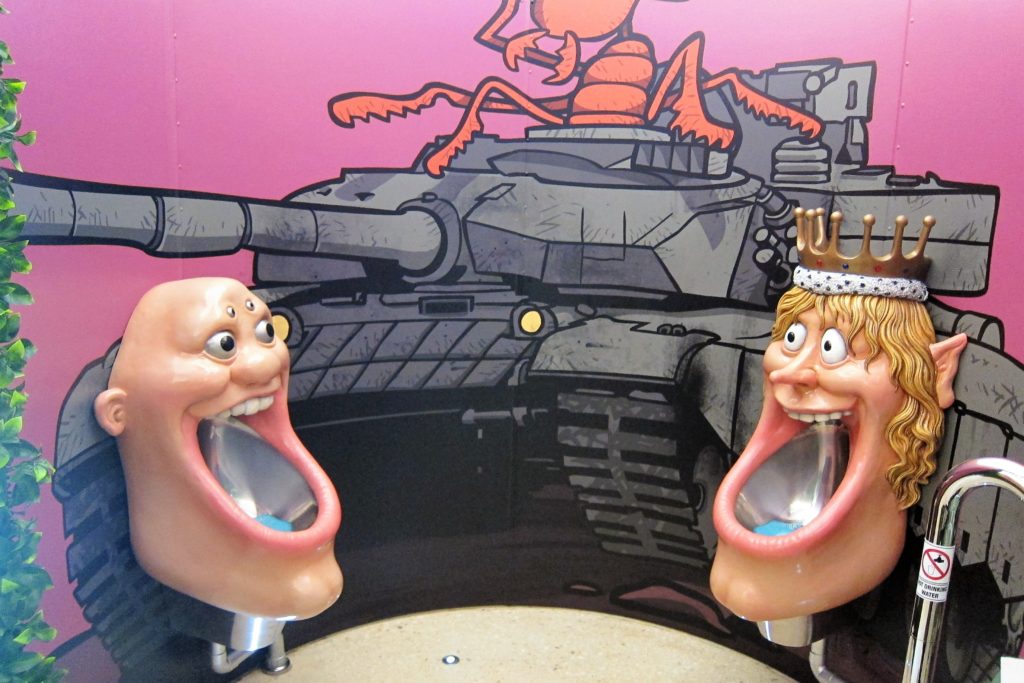
The urinals in the gents are, um, unique.
Not something you see every day
It’s wonderfully warm in this part of South Australia.
The layers start to come off
We arrive in the state of Victoria and follow the Great Ocean Road.
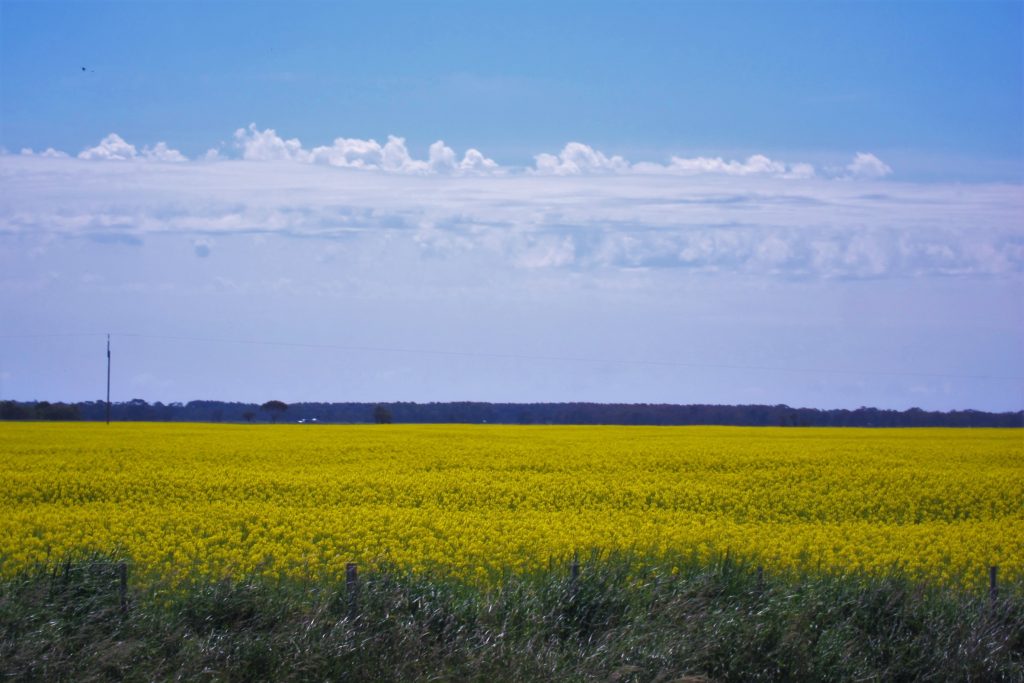
It has pretty coastal scenery, of course.
Canola fields
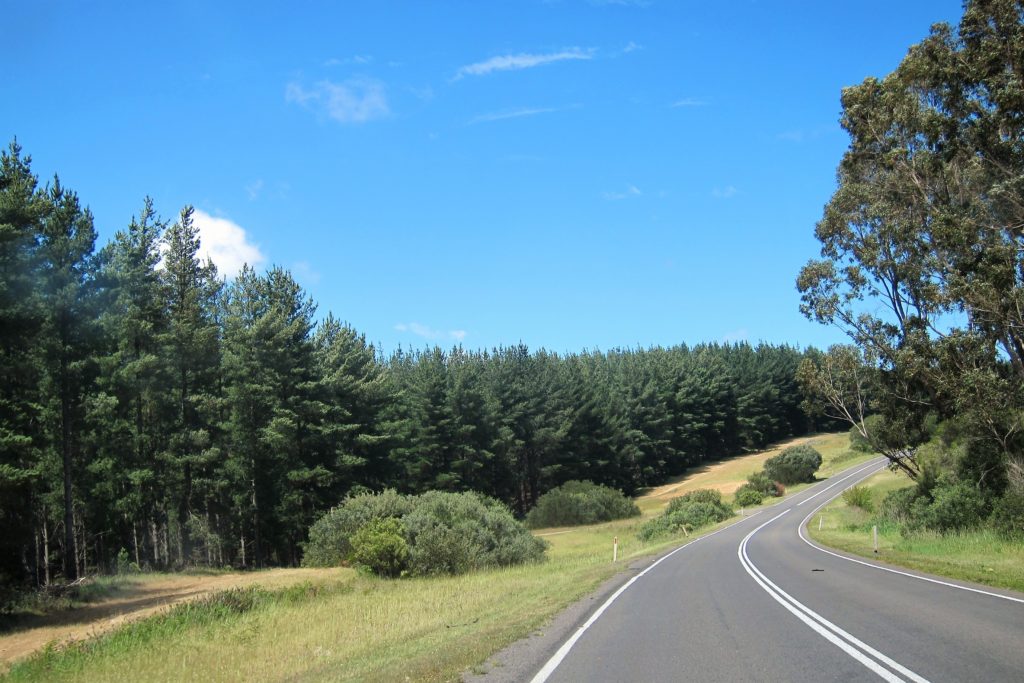
Parts of the GOR pass though forests that look like Canada.
Forest
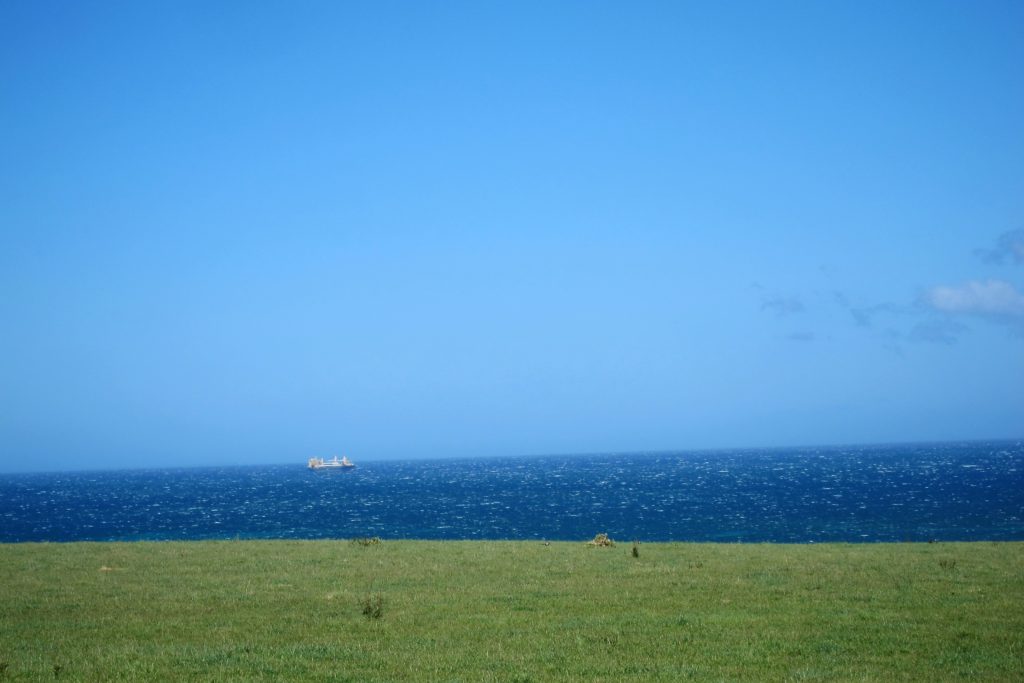
There are grand views over the white-capped Southern Ocean.
Lone ship offshore
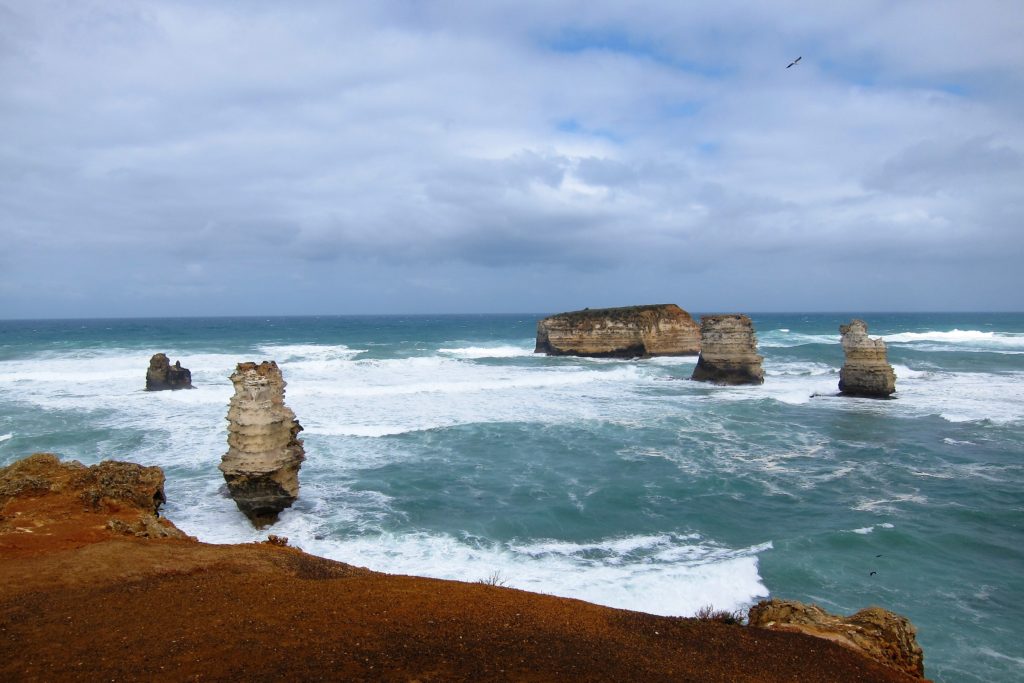
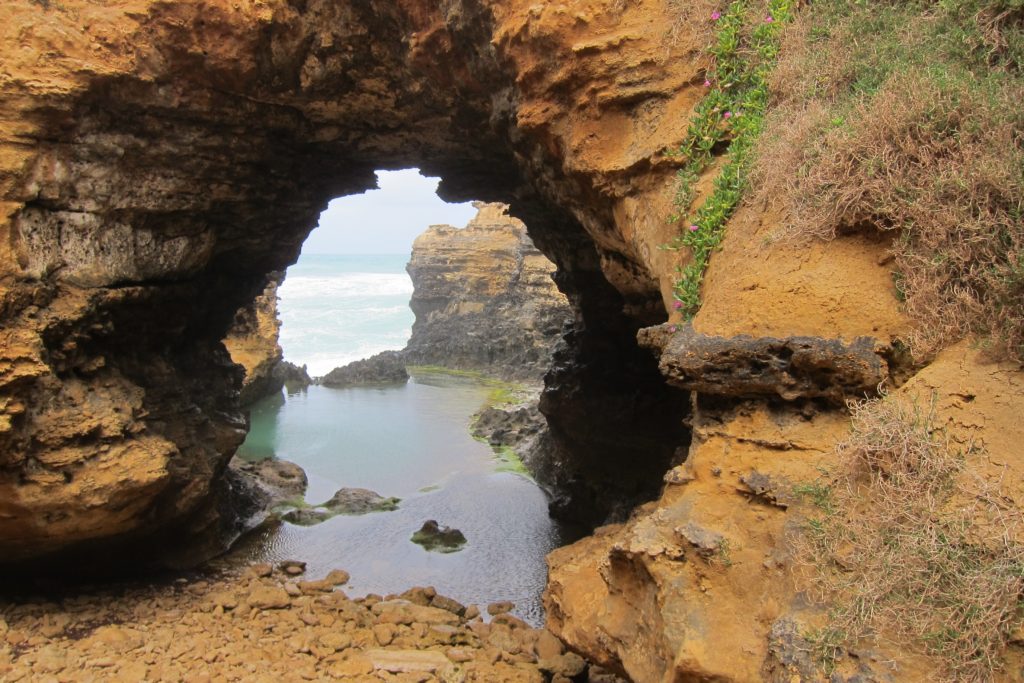
Many remote rock formations.
Bay of IslandsThe grotto
We stop at the Twelve Apostles. (Spoiler alert – there aren’t actually twelve.) It is very popular, attracting the busloads of visitors that make us uncomfortable.
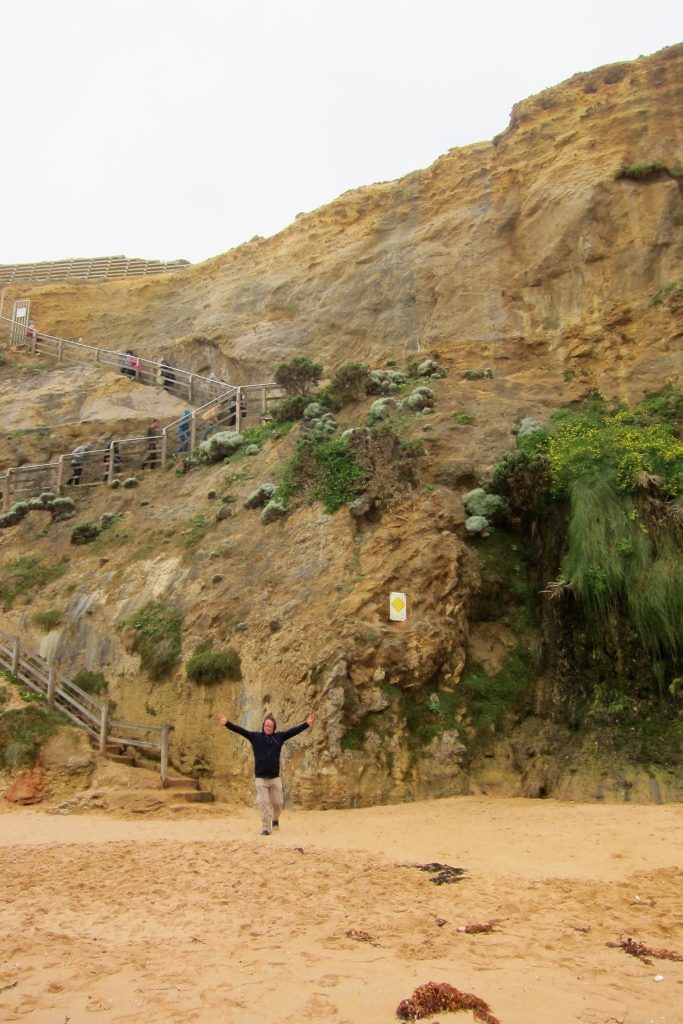
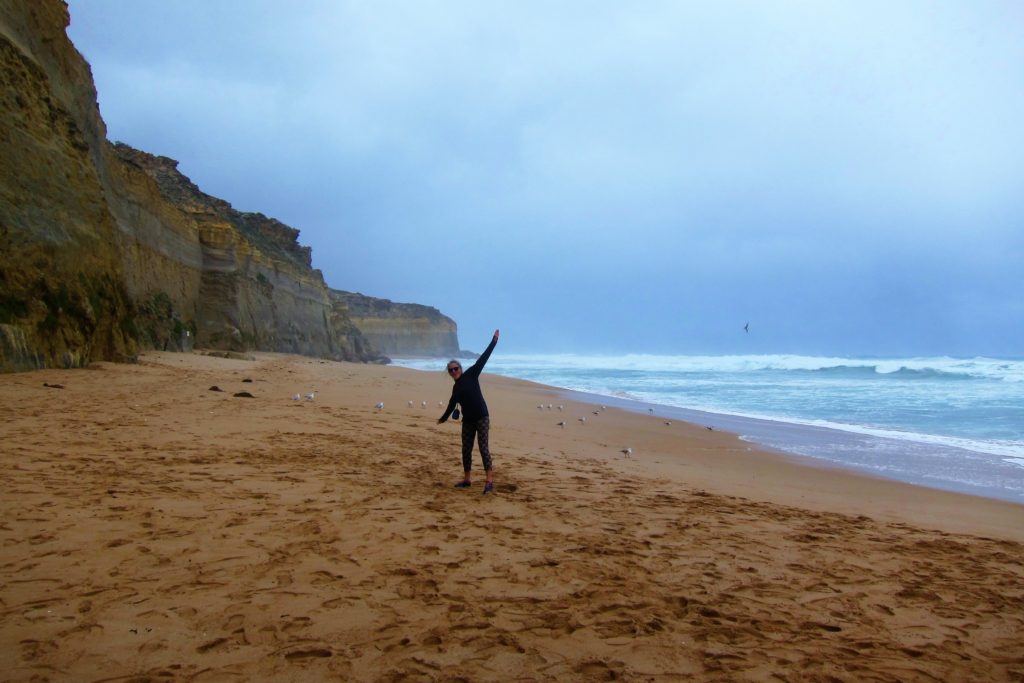
We hike to the beach below and try to keep warm in the cool drizzle by performing some interpretive dance.
‘Prélude à l’après-midi d’un faune’‘La Mort du cygne’
The landscape in Victoria is a far cry from the parched rocks of central Australia in which we’ve spent so much time.
Sight or Insight of the Day – Adelaide & the Great Ocean Road
There are lots of snakes in Australia. Approximately 170 snake species slither throughout the land – of which 100 are venomous. They are everywhere.
Yet in five months, we have not seen a single snake. We see signs in caravan parks warning of snakes in the area, but outside of zoos, not a trace, not even squashed ones on the road.
Until a few weeks ago. Beginning on the road to Norseman in WA, we start to see snakes both alive and flattened.
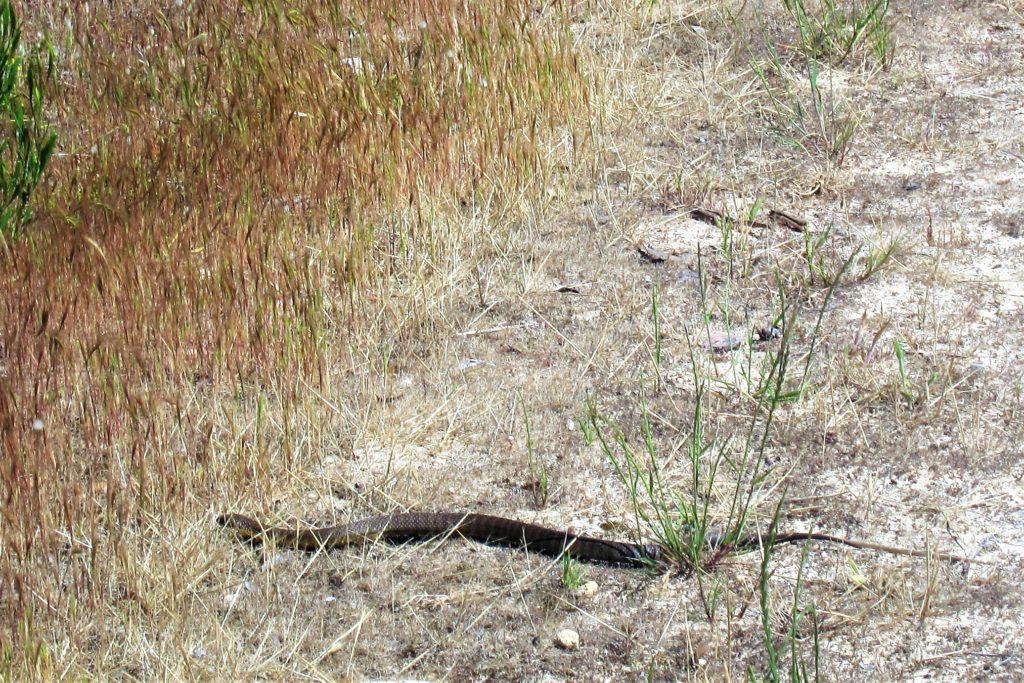
Snake in the grass
This bad boy is a death adder. We can tell by the worm-like tail appendage (hard to see in this photo) that they use to lure their prey.
We hear snakes are appearing now after a winter spent semi-hibernating. Still doesn’t explain why we didn’t see any in the always-steaming North.
From Ceduna, we drive through South Australia down the seafood-rich Eyre Peninsula to Port Lincoln.
Sundowner on Boston Bay
By the way, these locations have nothing to do with ‘Abraham Lincoln’ or ‘Boston, Massachusetts’: they’re named after places in Lincolnshire in the UK.
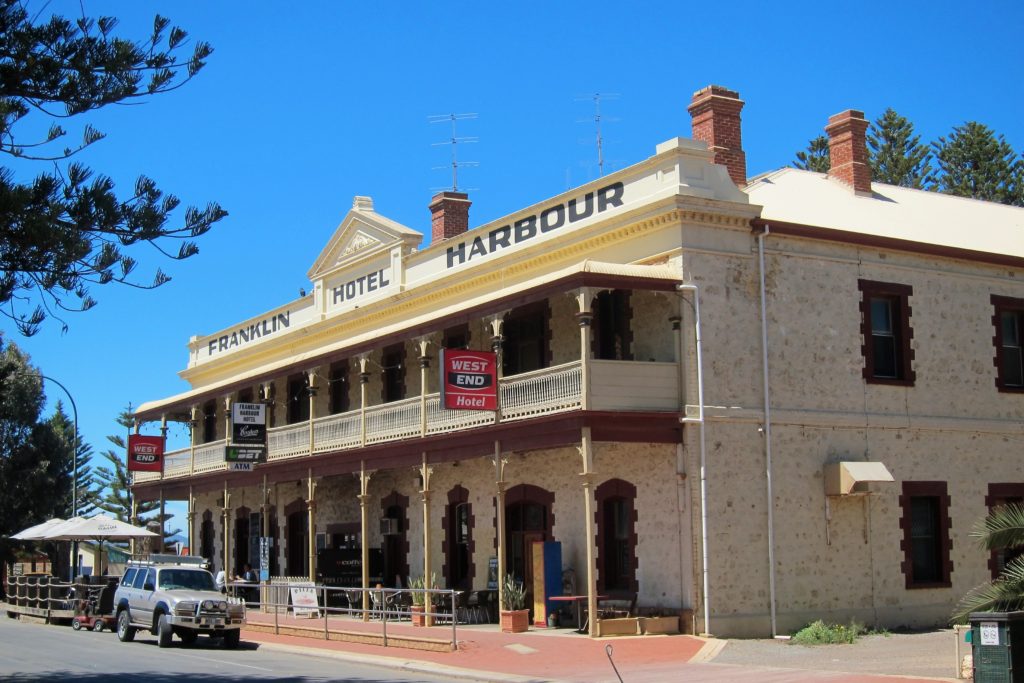
On the way up the peninsula to Port Augusta, we stop for lunch in village of Cowell, on Franklin Harbour.
Main street, Cowell, South Australia
According to local info:
‘This area was first seen by Captain Matthew Flinders in HMS ‘Investigator’ in 1802. In 1840, Governor Gawler visited the area from Port Lincoln, and named Franklin Harbour after a midshipman on Mathew Flinders’ vessel – John (later Sir John) Franklin.’
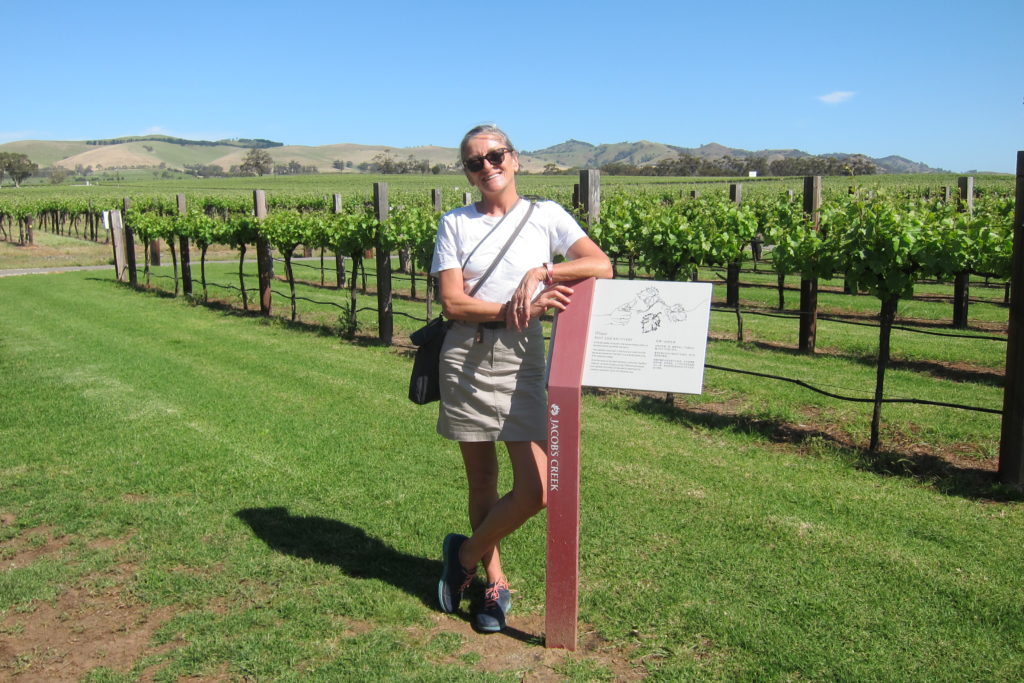
Largely because we’re less likely to find ourselves elbow to elbow with other avid wine-slurpers than at the big-name cellars.
Wine-slurper-in-chief
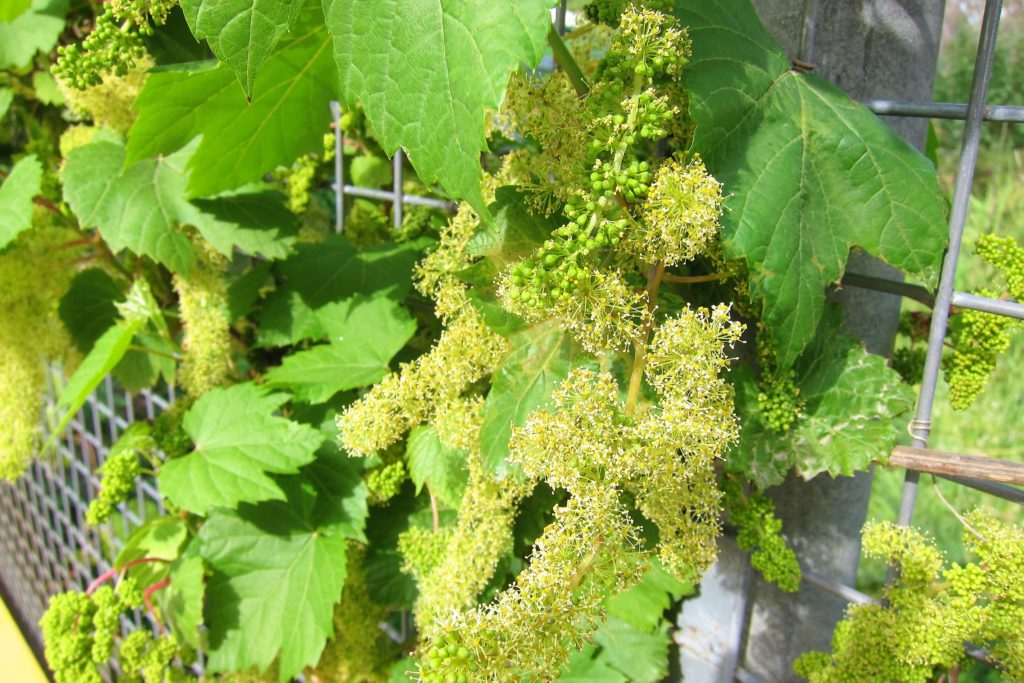
We don’t think we’ve ever seen grapevines this early in the season. Our caravan park has vines growing and we observe how the grapes-to-be are at this point like tiny dewdrops.
Embryonic chardonnay
Sight or Insight of the Day – Barossa Valley
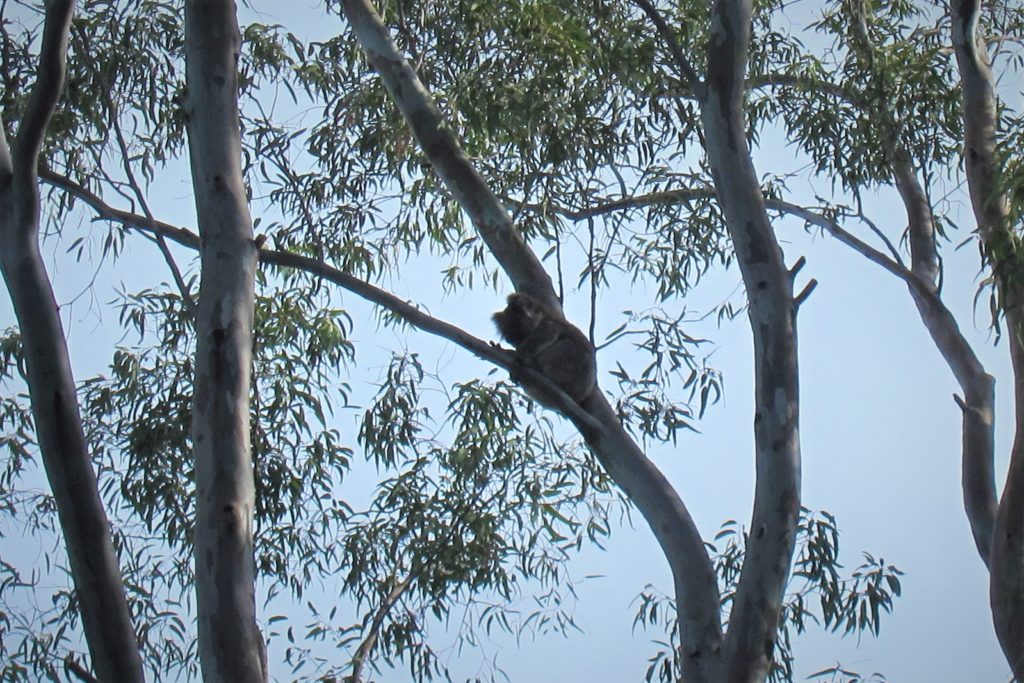
Well, Adelaide actually. We check into a caravan park near Adelaide and discover there is a koala living nearby.
I dream of eucalyptus
We’re lucky enough to spot him. He’s darker than his East Coast brothers.
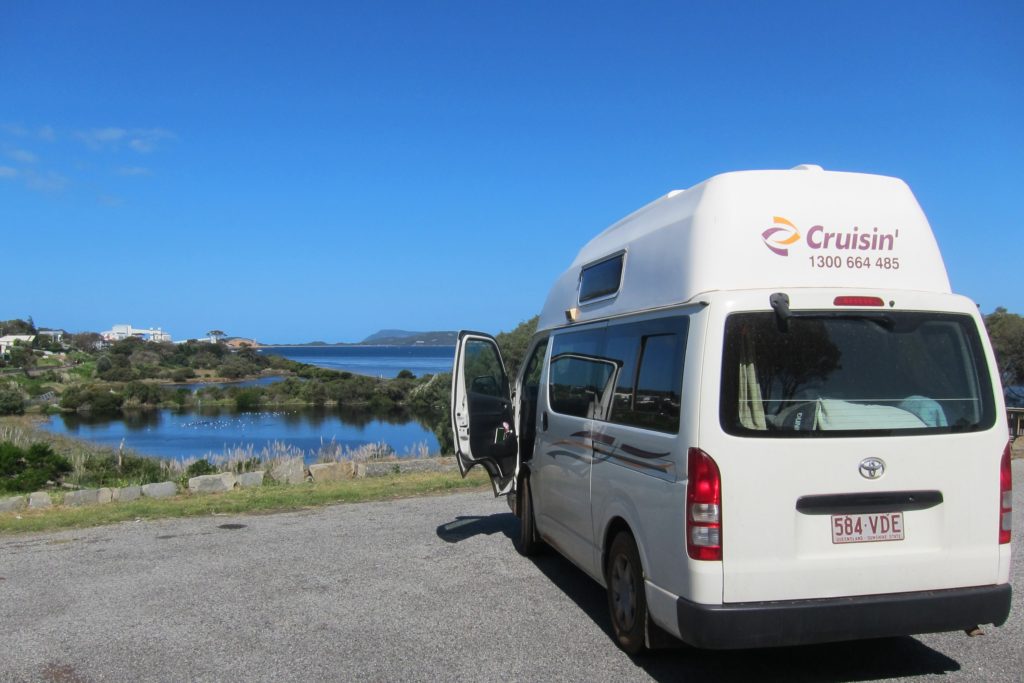
Albany is pleasant city. It was the first capital of Western Australia, briefly.
Due to its location, it was the departure point for the fleets of ANZACs sailing off to the First World War. So their last sight of home for years.
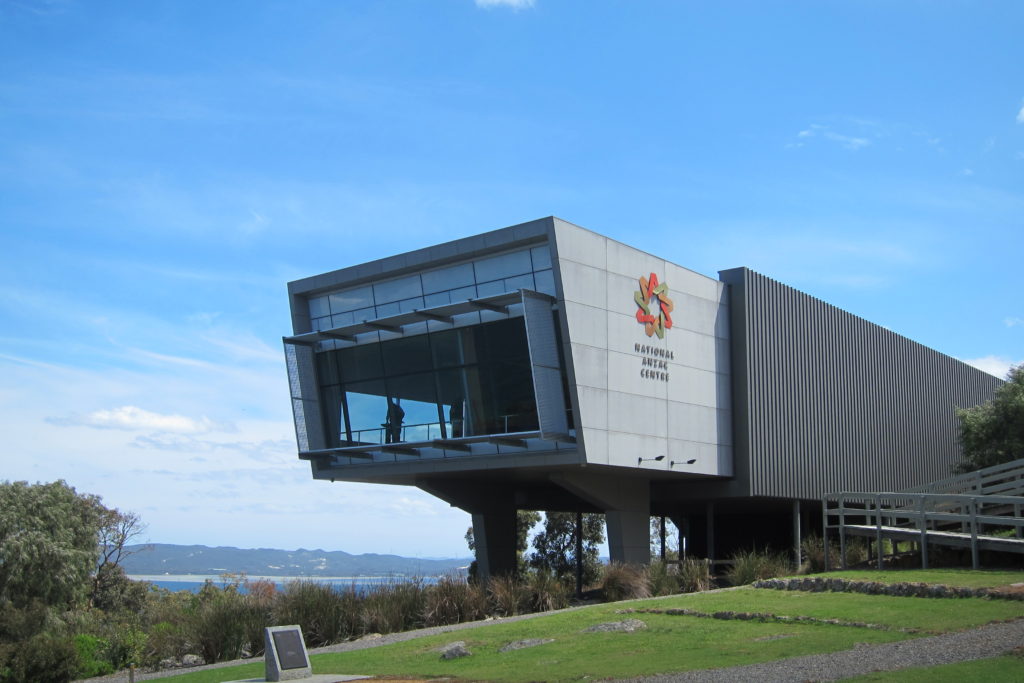
ANZAC centre
This is detailed in the National ANZAC Centre, an exceptionally brilliant interactive museum. Tells the stories of those who left and came back, or came back greatly changed, or never came back at all.
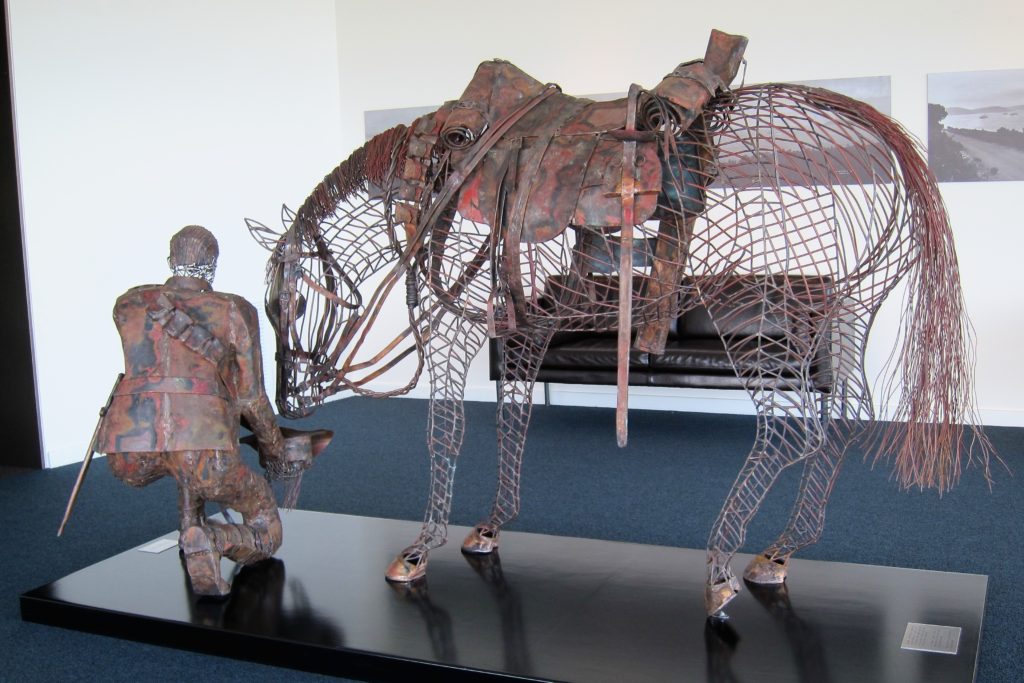
Among the exhibits is this touching sculpture of an ANZAC sharing a hatful of water with his horse.
Some water for me mate
Like many places of interest that we’ve been to relating to 20th-century wars, it’s full of old people. Apparently, younger people are not interested in past conflicts and assume our present era of peace and plenty lasts forever. Hope they’re right.
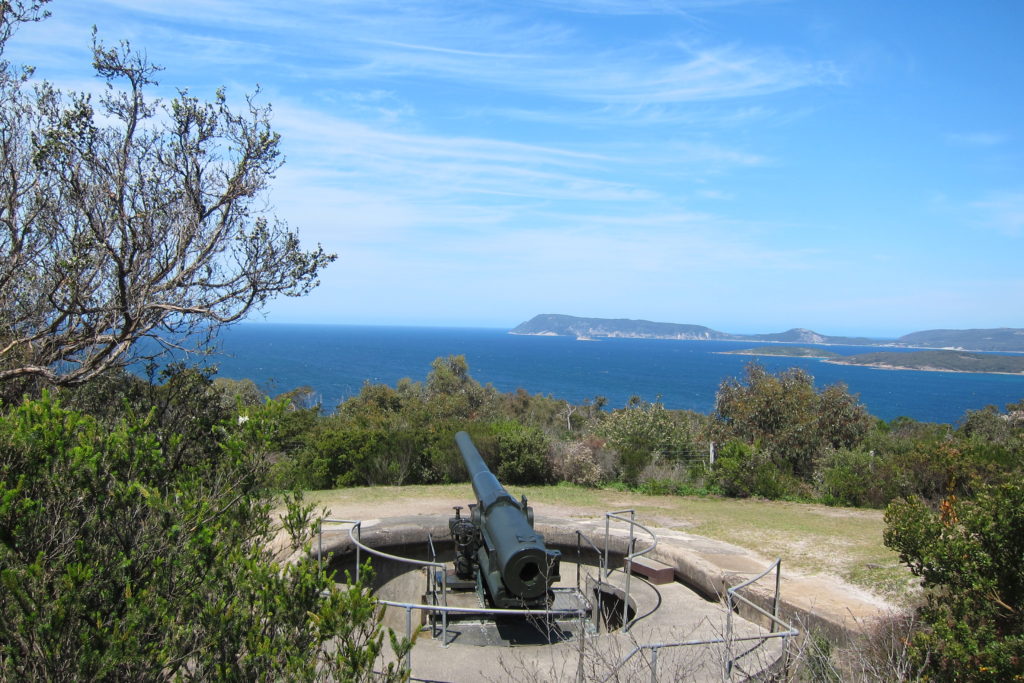
There are other things to see on the hill.
Gun emplacement with great view of King George Sound
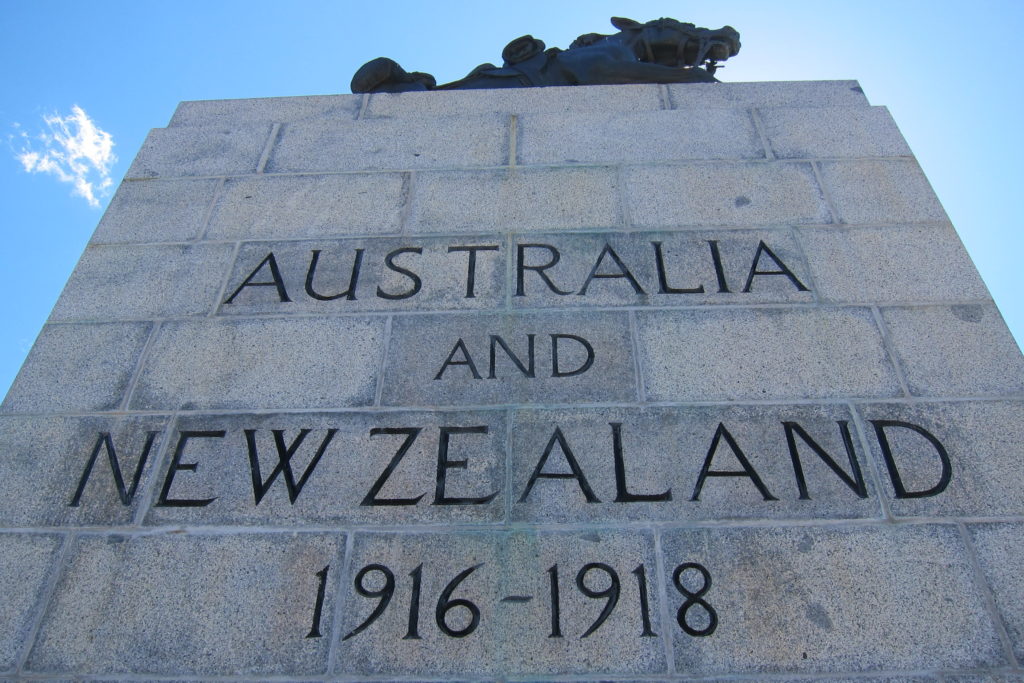
For example, the Desert Mounted Corps Memorial. This was originally in Egypt.
Safer at home
The Lonely Planet guide euphemistically says:
‘The memorial was originally erected in Port Said, Egypt. However, it
was irreparably damaged during the Suez crisis in 1956, and this copy was made from masonry salvaged from the original. ‘
When I read this, I immediately imagine by ‘irreparably damaged’, they mean ‘mindlessly torn to pieces in an orgy of destruction by a rabid mob of felaheen whipped into an anti-Western frenzy by Nasser’.
Of course, a bit of digging and it turns to be the case, as stated here.
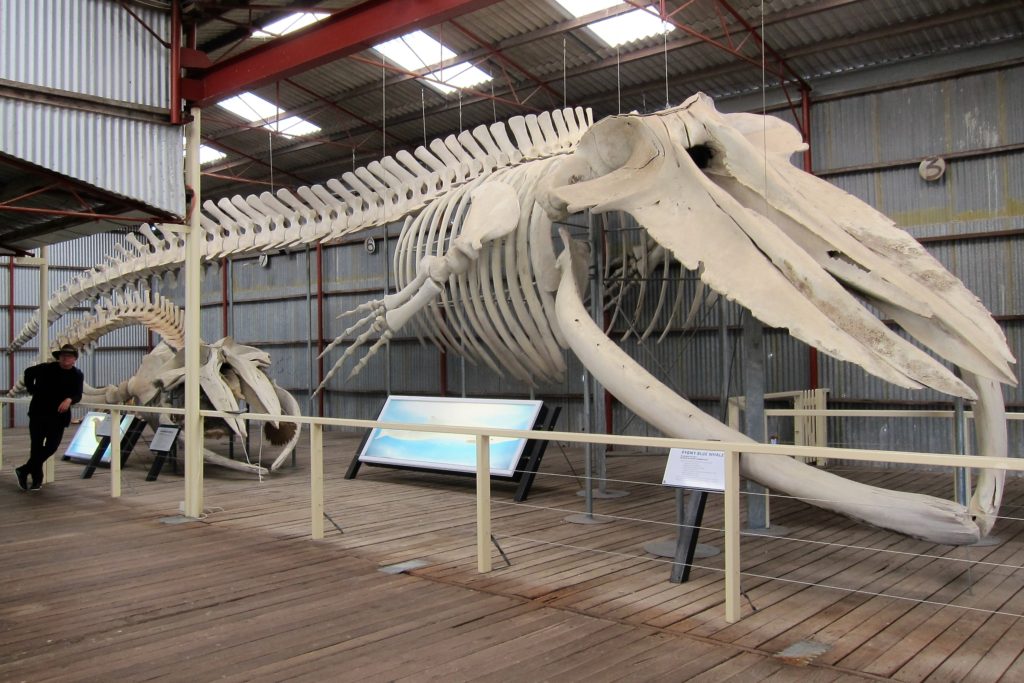
Albany is also the home of Australia’s last whaling factory. The site is now the Historic Whaling Station.
Skeleton of a Pygmy (!) Blue Whale
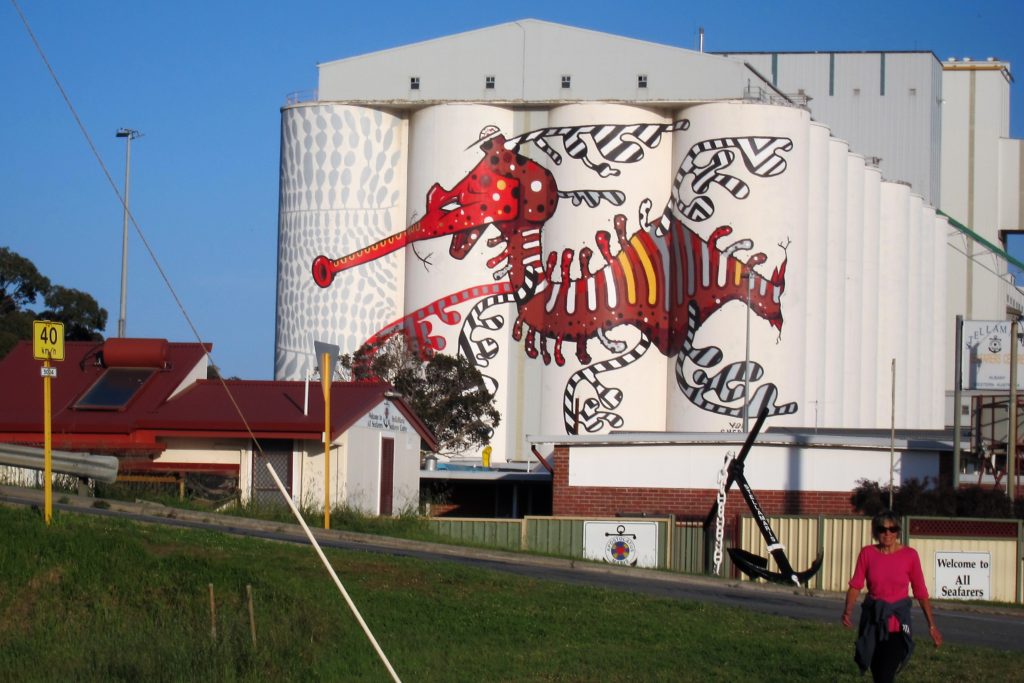
Silos on the harbourfront sport a cool seadragon mural.
Seadragon rampant
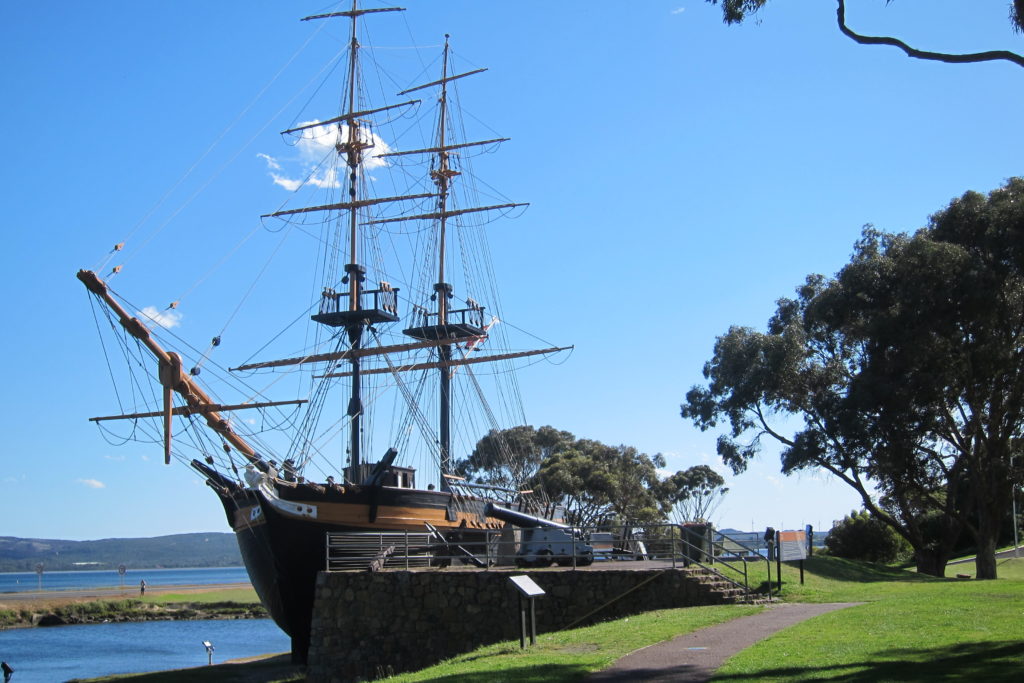
There is also a local branch of the WA Museum, with a replica of brig Amity,
the first ship sent from Sydney to establish Albany.
The Amity
From Albany we drive to Esperance. When I was here in 1980, the local museum featured chunks of Skylab. They’re still here.
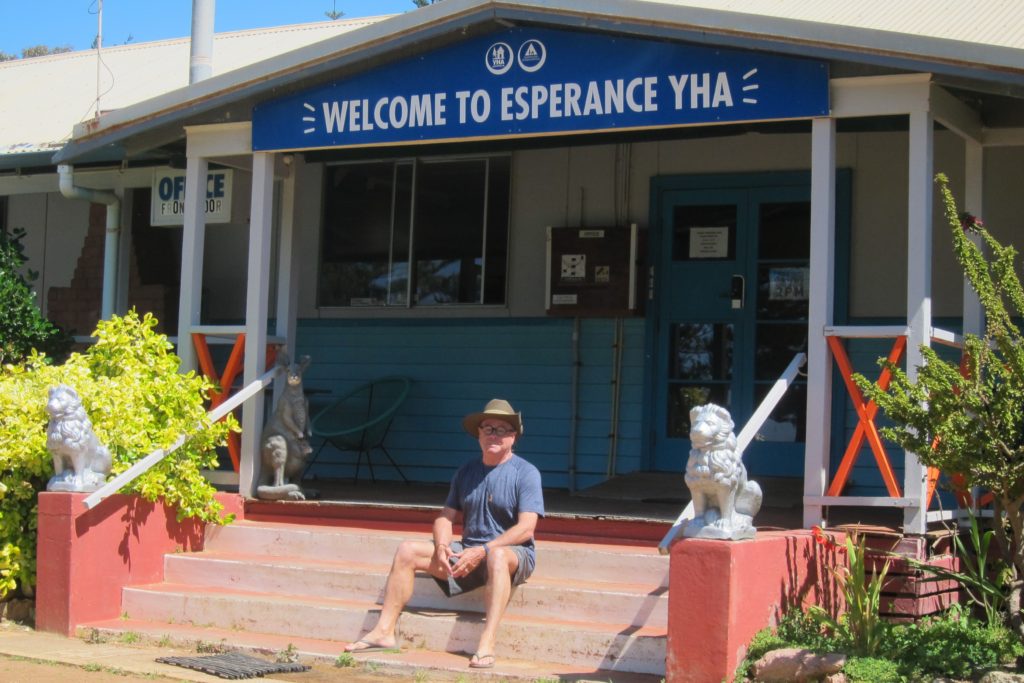
At the time, I stayed in the local hostel. It’s still here too.
None the worse for wear. The hostel’s in good shape, too.
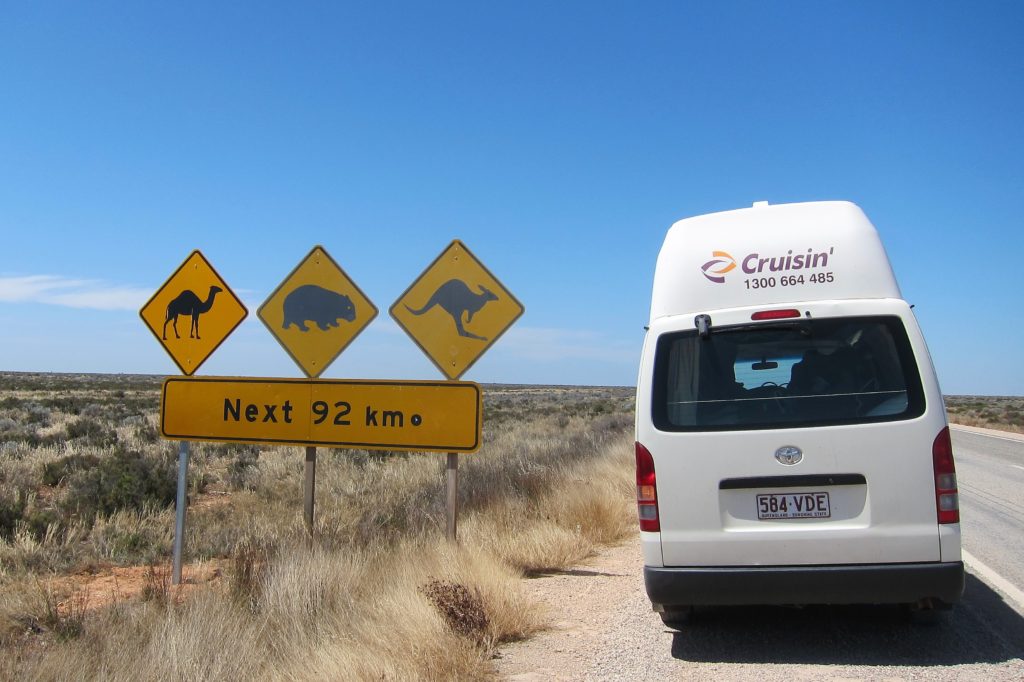
Sight or Insight of the Day – Pemberton to the Nullarbor
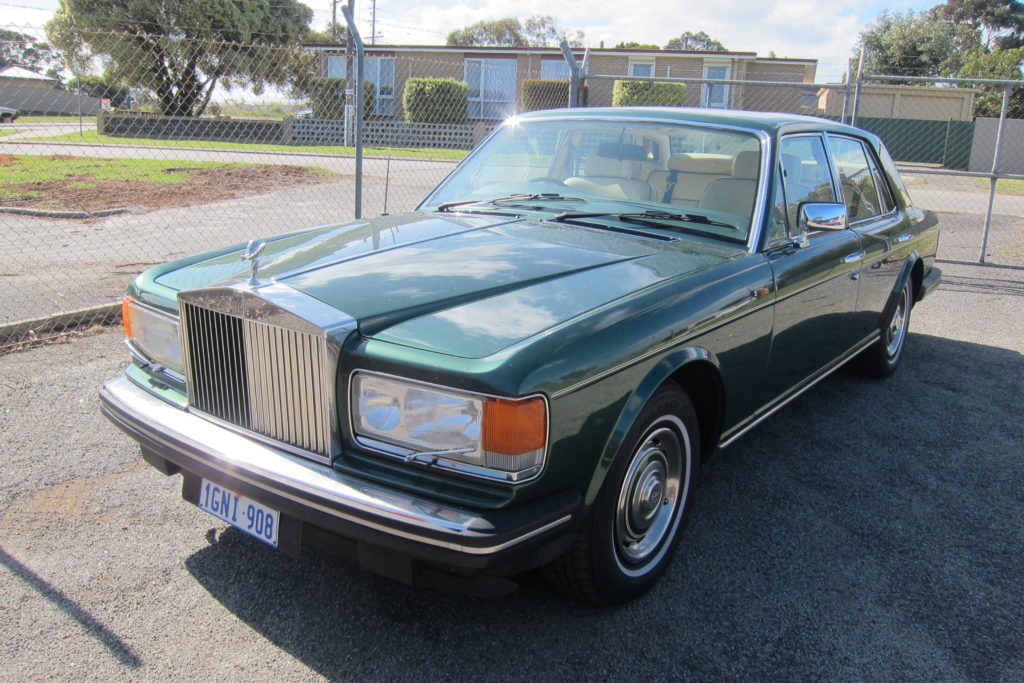
Matilda needs a new battery as we approach Albany. At the battery shop, the owner’s vintage wheels are outside. I try to convince Maria that our next car should be something similar.
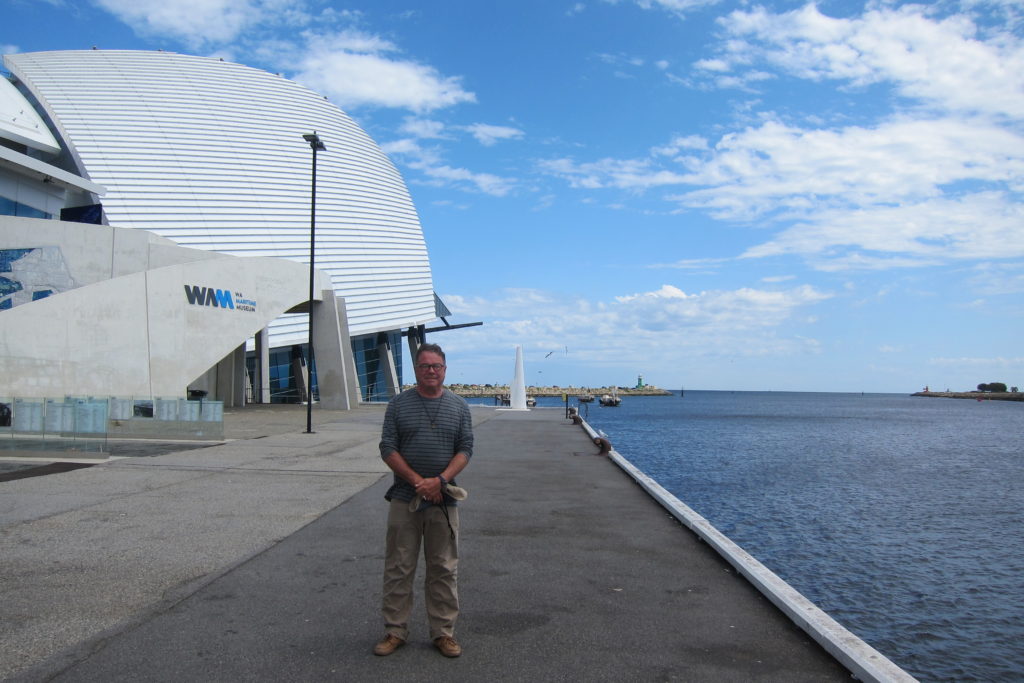
Before moving on to Margaret River – our next destination – we enjoy an extended stay in Perth. We do big-city things; renew prescriptions, I get a haircut and new lenses for my glasses, pick up mail, buy new shoes.
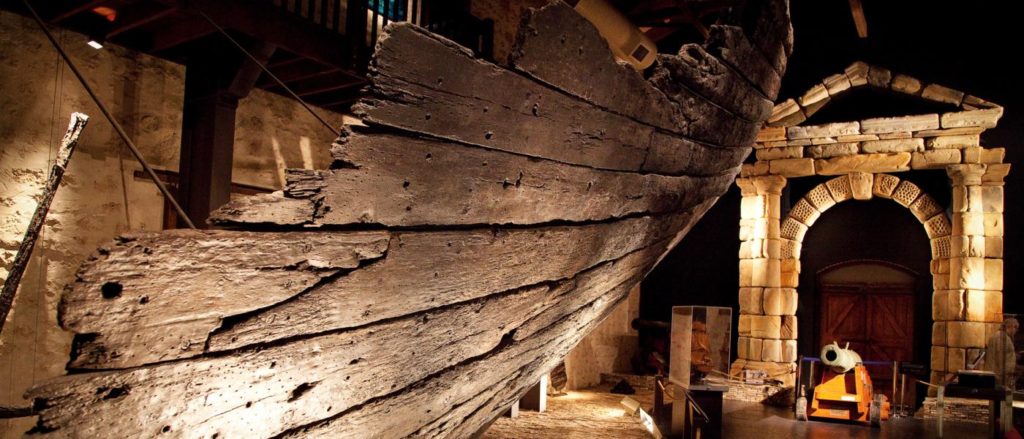
Below is the surviving timbers from the Batavia, shipwrecked in 1629 off the coast of Western Australia. This is only a small portion of the original hull.
In the background is a stone portico that was carried as ballast and meant for the walls of the Dutch city Batavia (now Jakarta) in present-day Indonesia.
Photo courtesy of the WA Maritime Museum
If you like shipwrecks – and who doesn’t? – you can spend hours here.
We eventually set off for Margaret River. In case you don’t know, MR is a well-known wine-producing area.
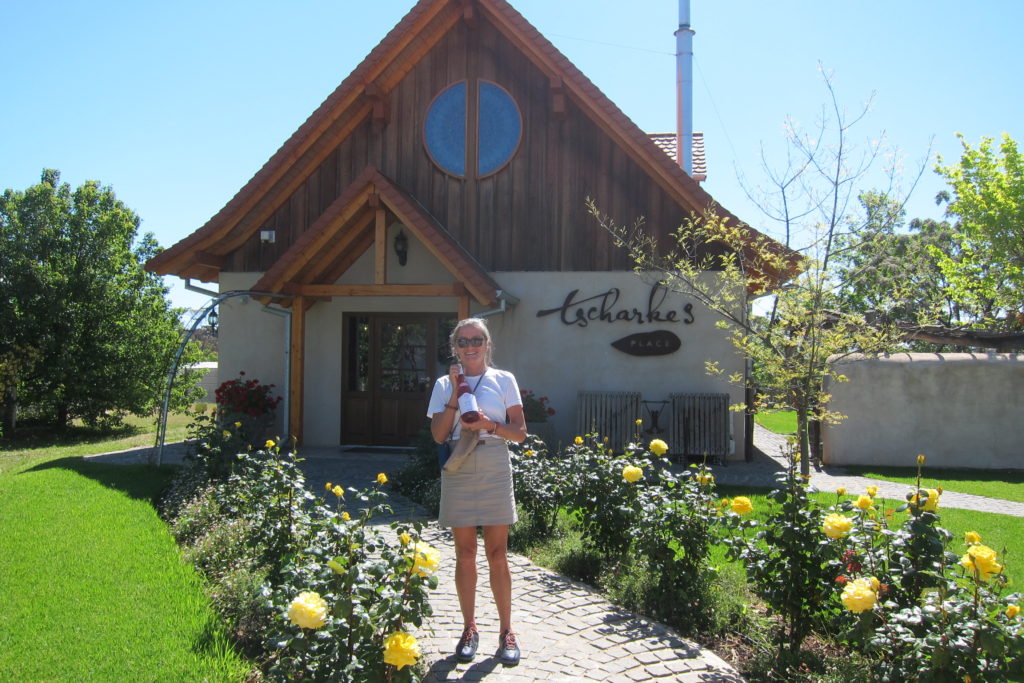
Let the tastings begin
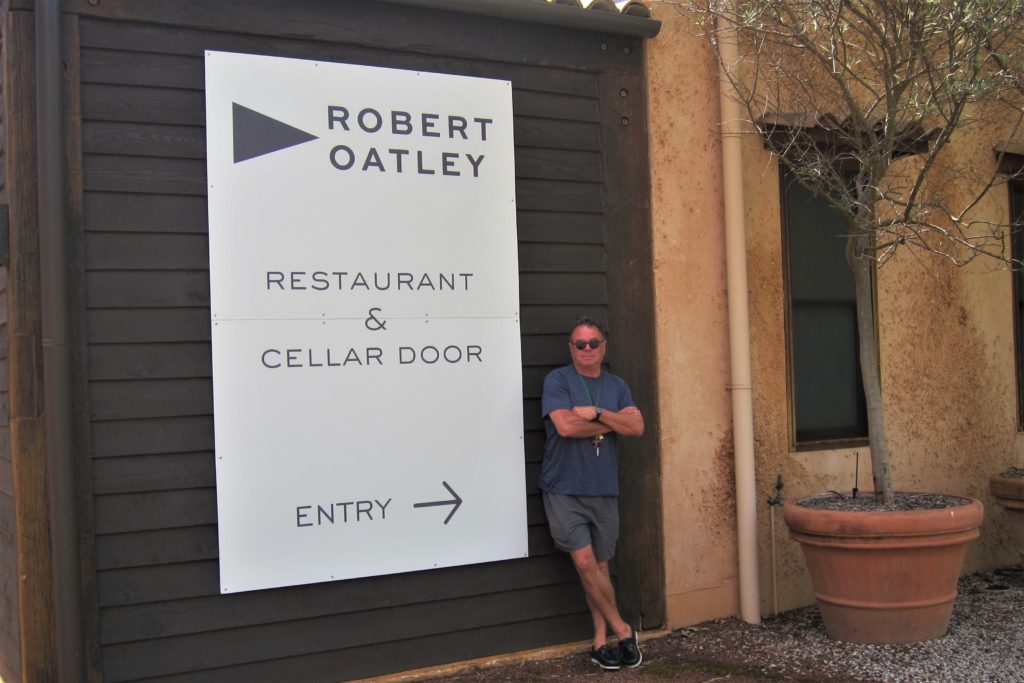
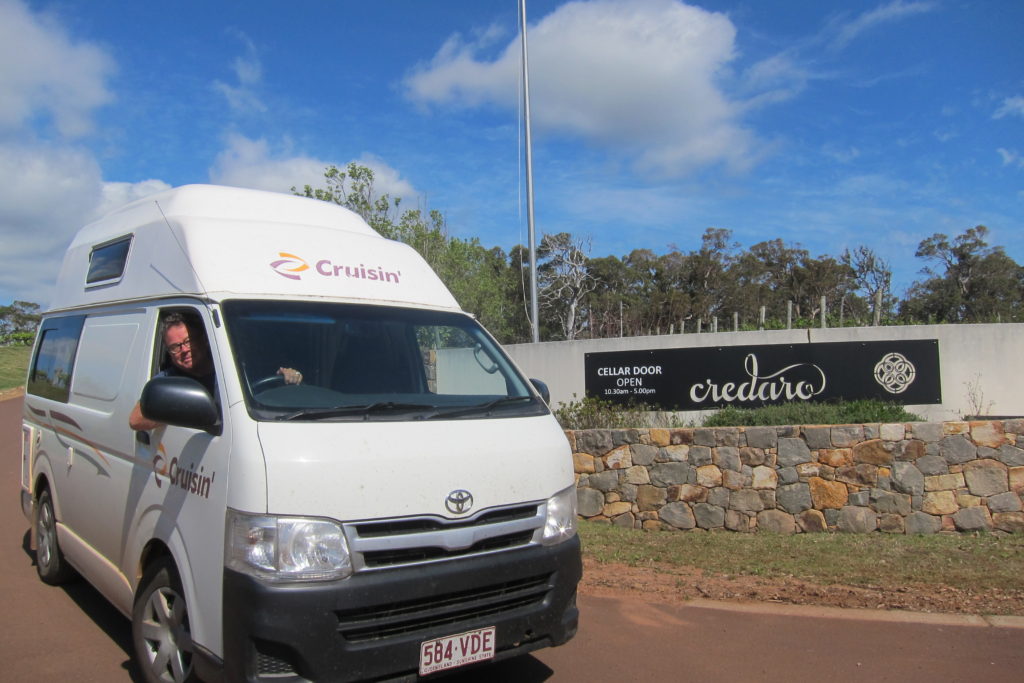
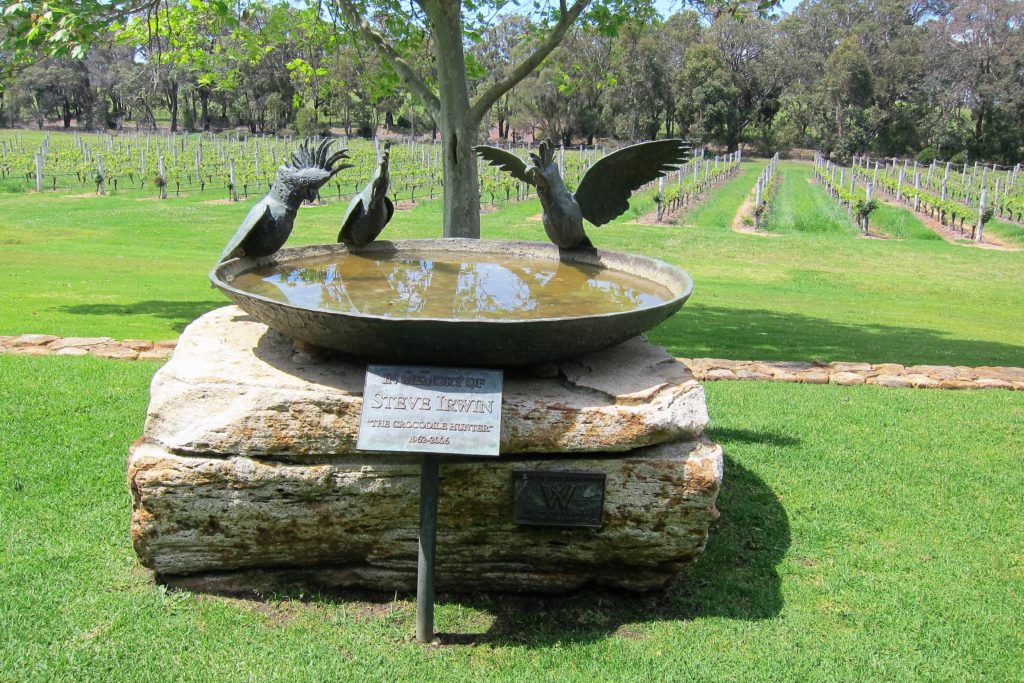
We visit, hmmm, let’s see, Robert Oatley, Credaro, Pierro, Vasse Felix, Cape Mentelle, Leeuwin Estate, and Voyager Estate.
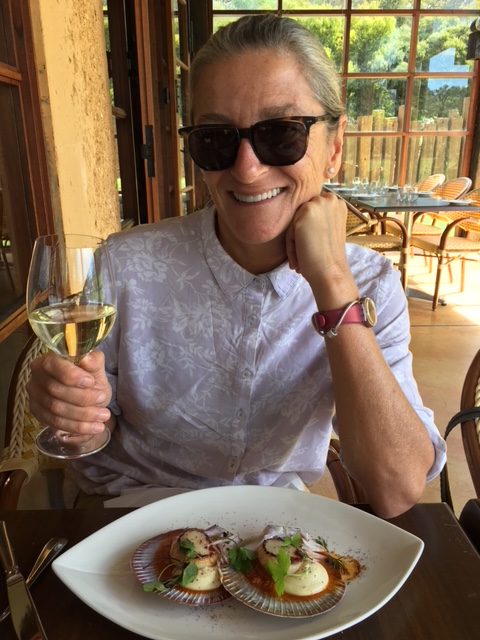
A glass of wine, a few scallops – and thou
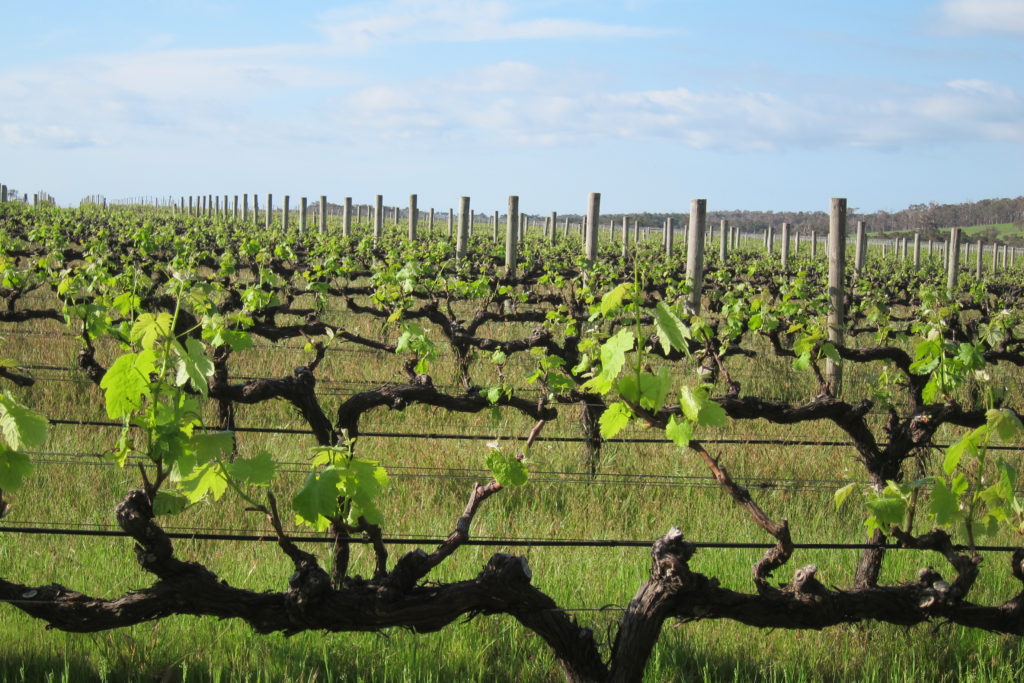
There are over 200 wineries in the region.
Barbarian at the gates
Vasse Felix is the oldest estate in Margaret River.
Vines at Vasse Felix
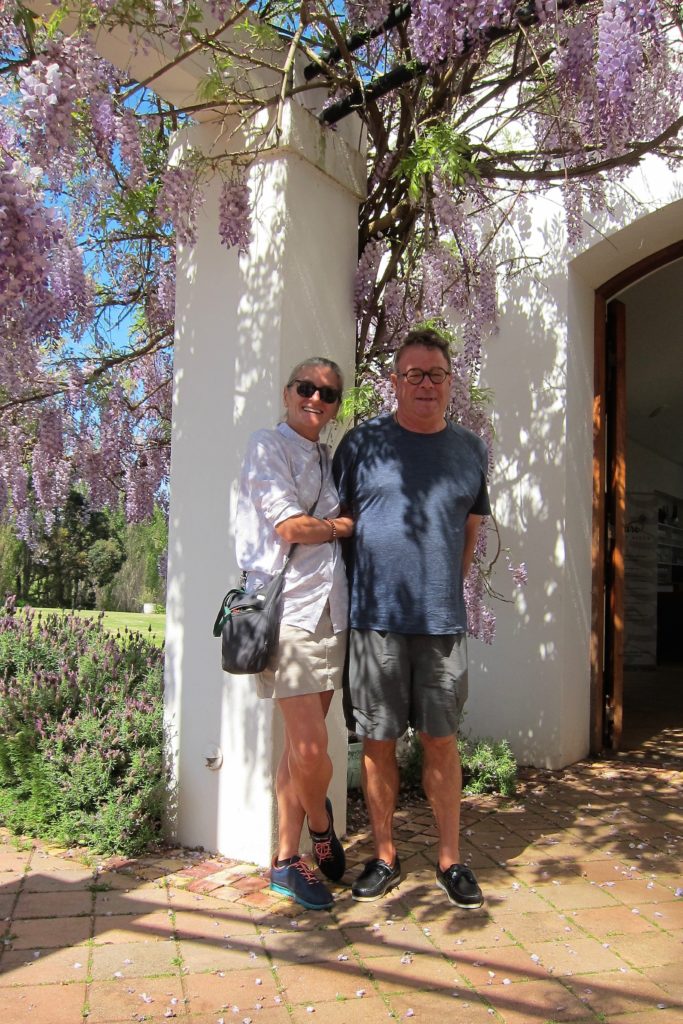
As usual in wine regions, there is lots of good food, beautiful gardens, and impressive architecture. Voyager Estate bears a startling resemblance to a South African Cape Dutch winery, of which we have seen many.
Under the wisteria
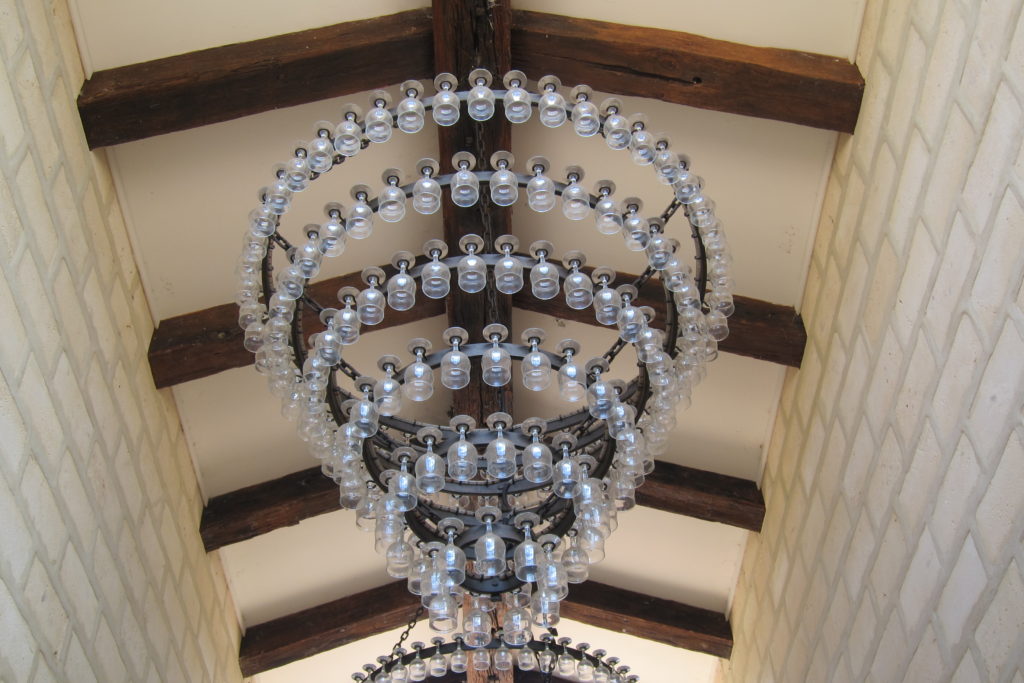
Another winery has an interesting chandelier made from wine glasses.
Let’s raise a glass
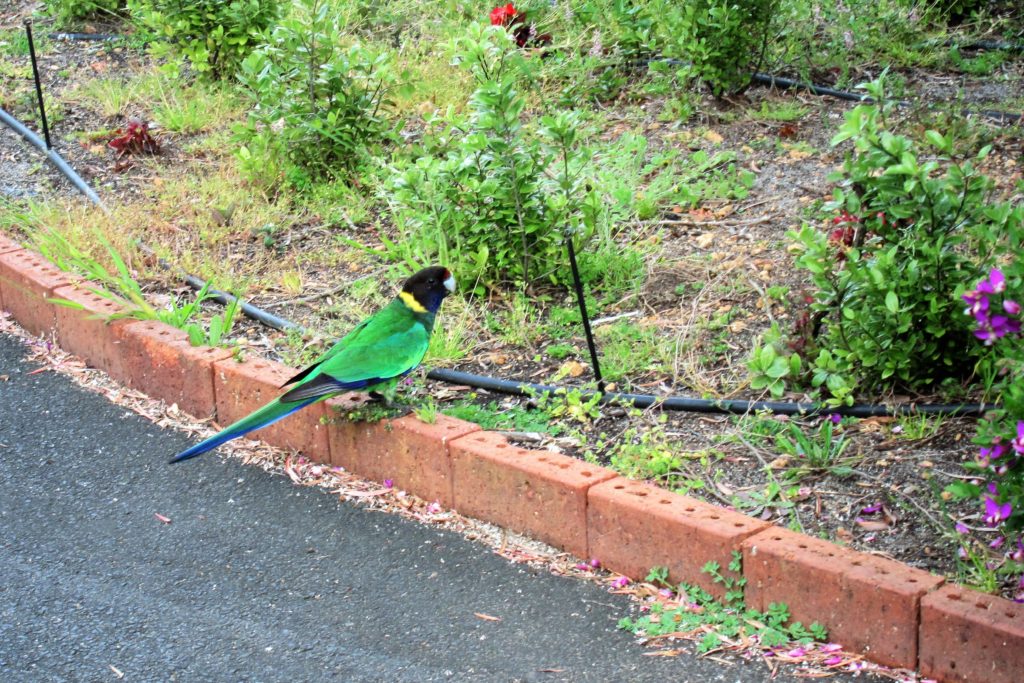
Back in our caravan park, there are many ringneck parrots strutting around .
Margaret River
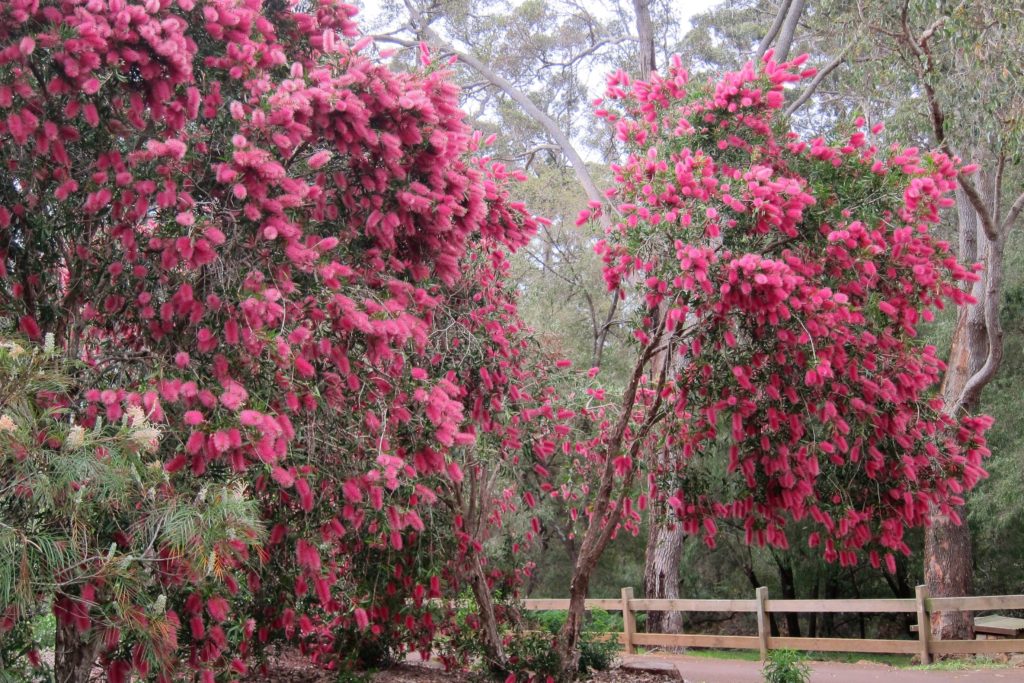
There’s something uplifting and heartwarming about seeing parrots everywhere. It’s like being in a sort of primeval Eden. This effect is helped by the lush bottle-brush trees surrounding our campsite.
Bottle-brush trees. I think.
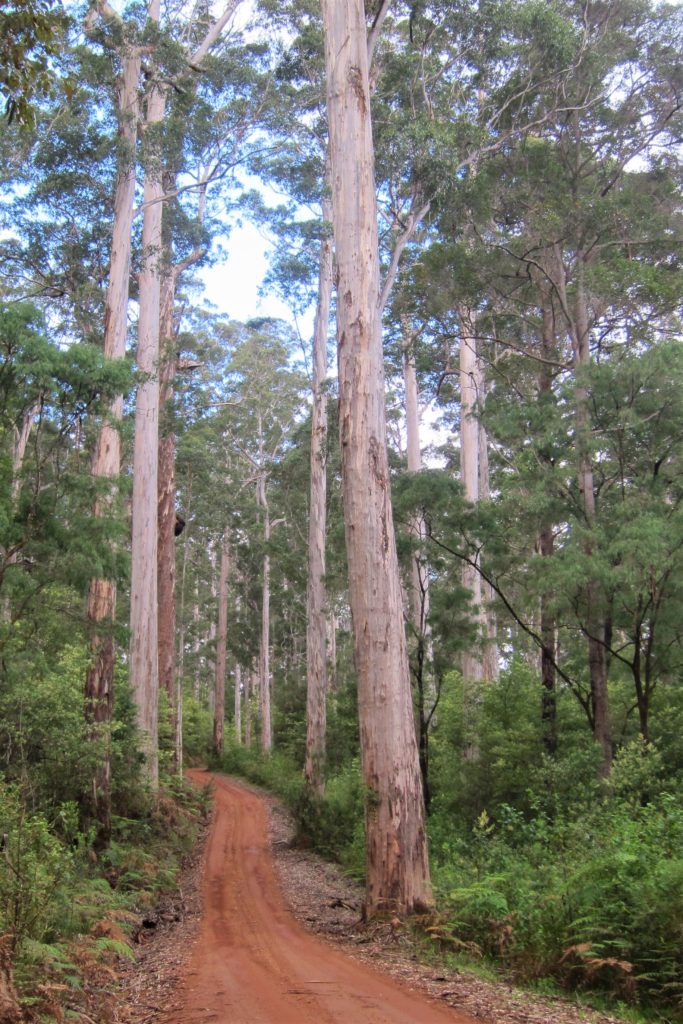
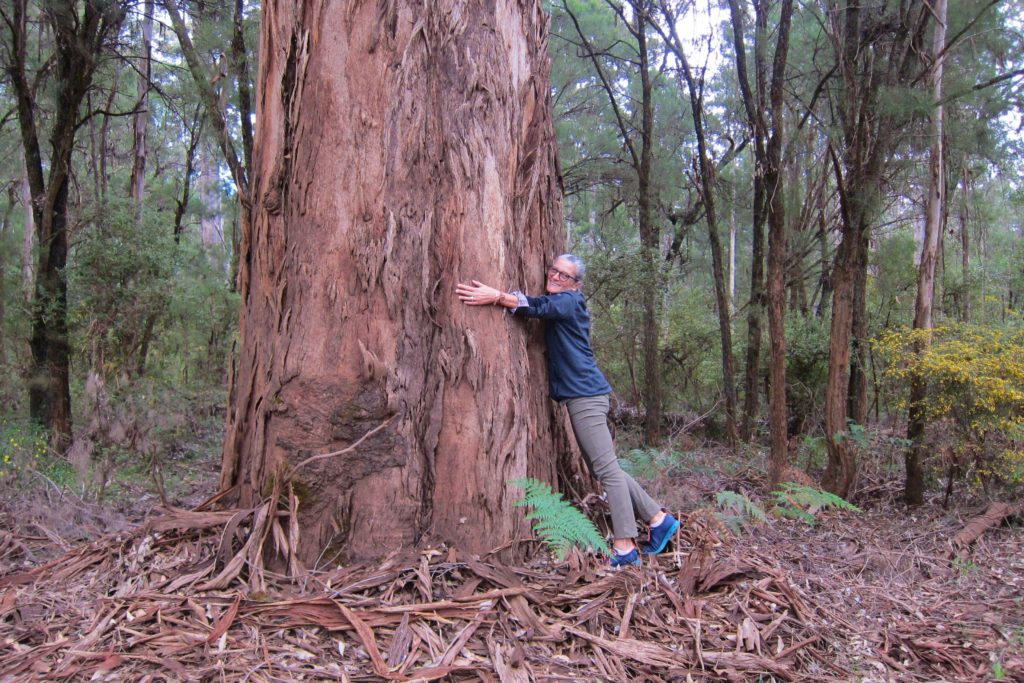
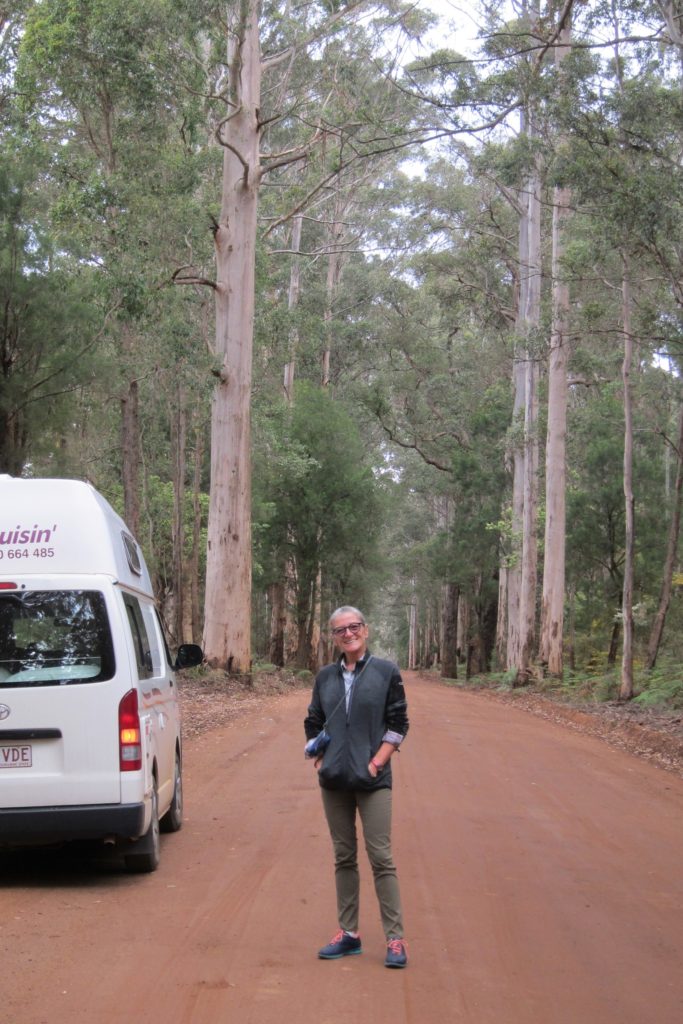
We drive south into forests of enormous karri trees and arrive in Pemberton.
Keep Calm and Karri On
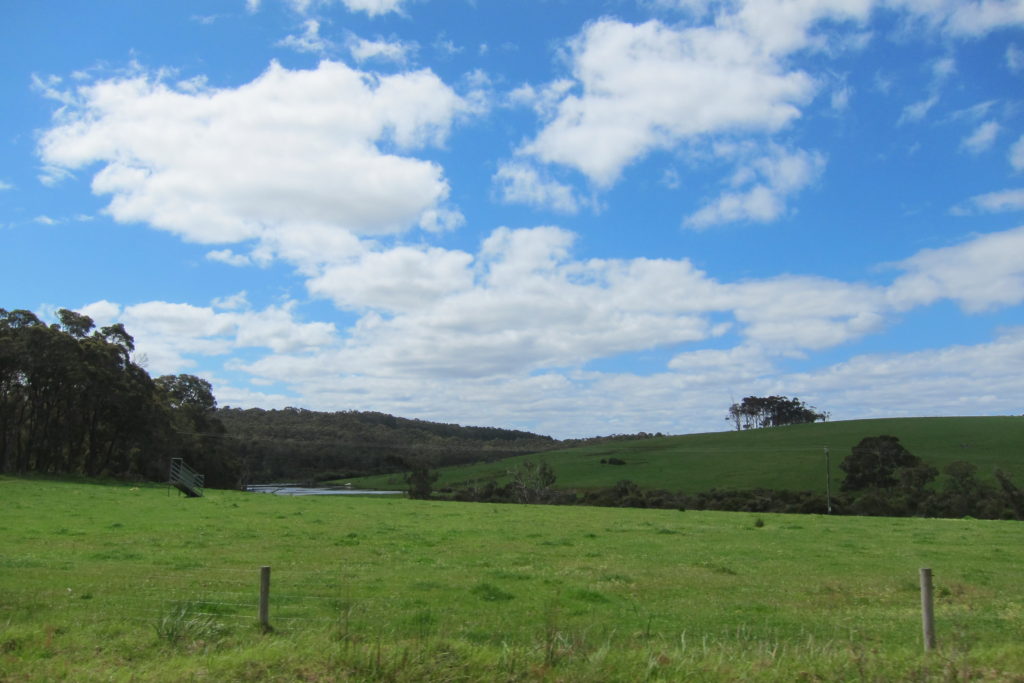
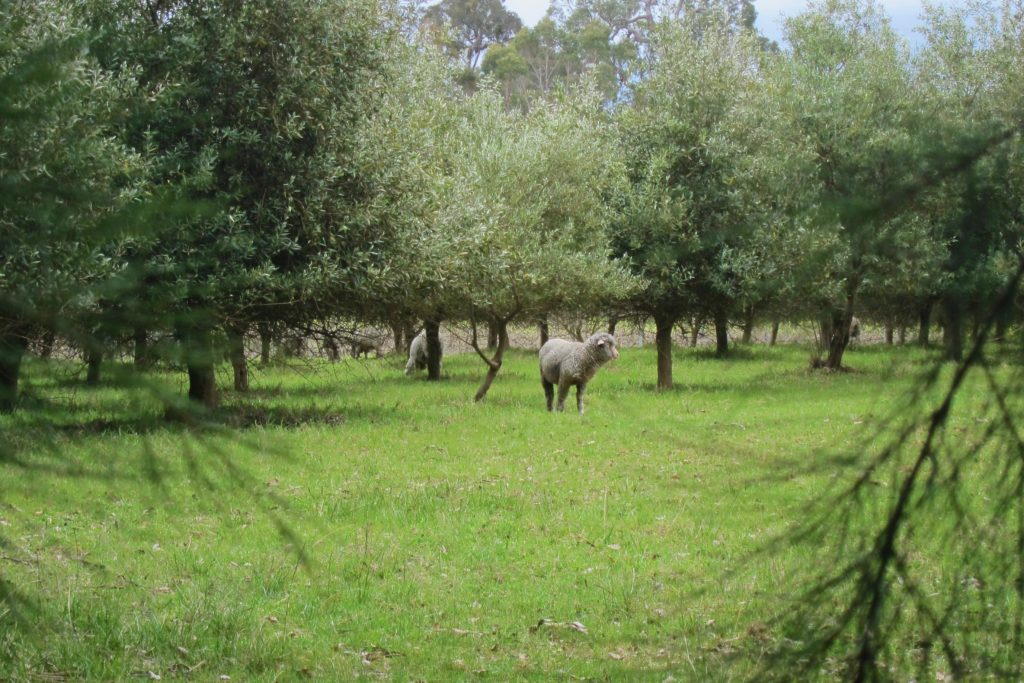
We pass a bucolic scene of sheep feeding placidly among some olive trees.
From Carnarvon, we continue to travel down the west coast to Perth.
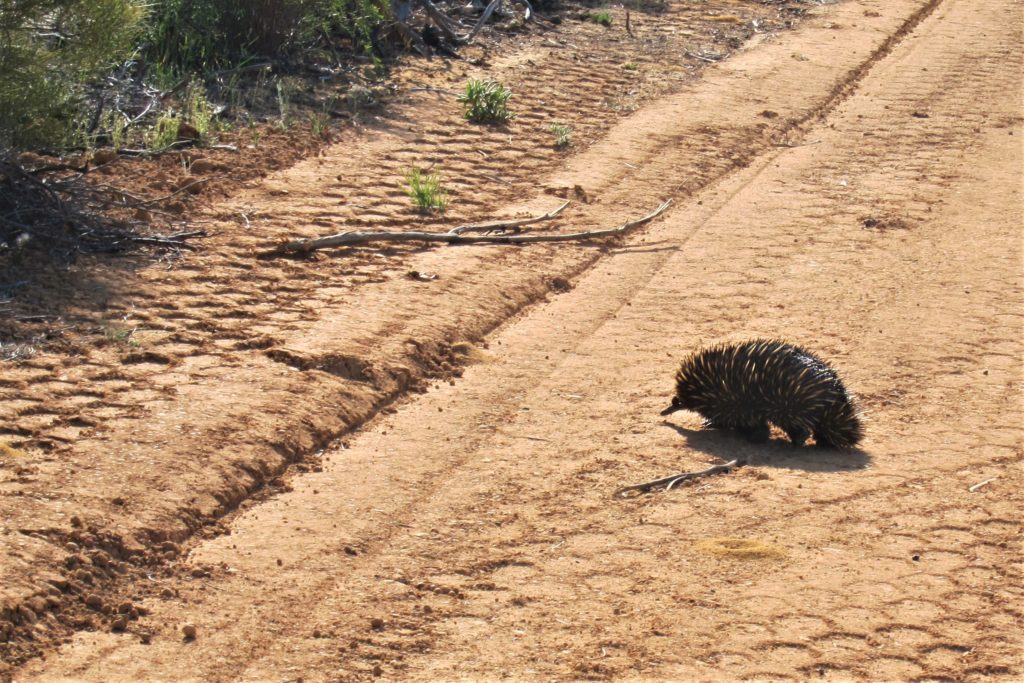
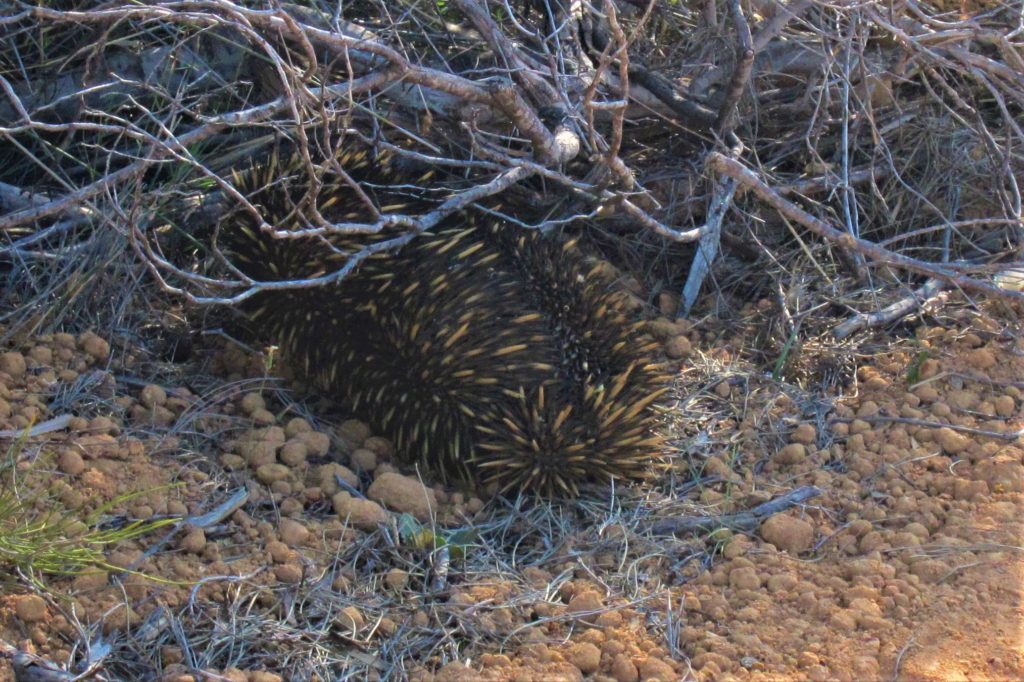
On the road to Kalbarri, we come across an echidna – the first we’ve seen in the wild.
Echidna crossing
He waddles into his burrow to escape Maria’s photographic harassment.
Echidna’s arf of you – probably the only piece of music with the word ‘echidna’ in its title since the dawn of time
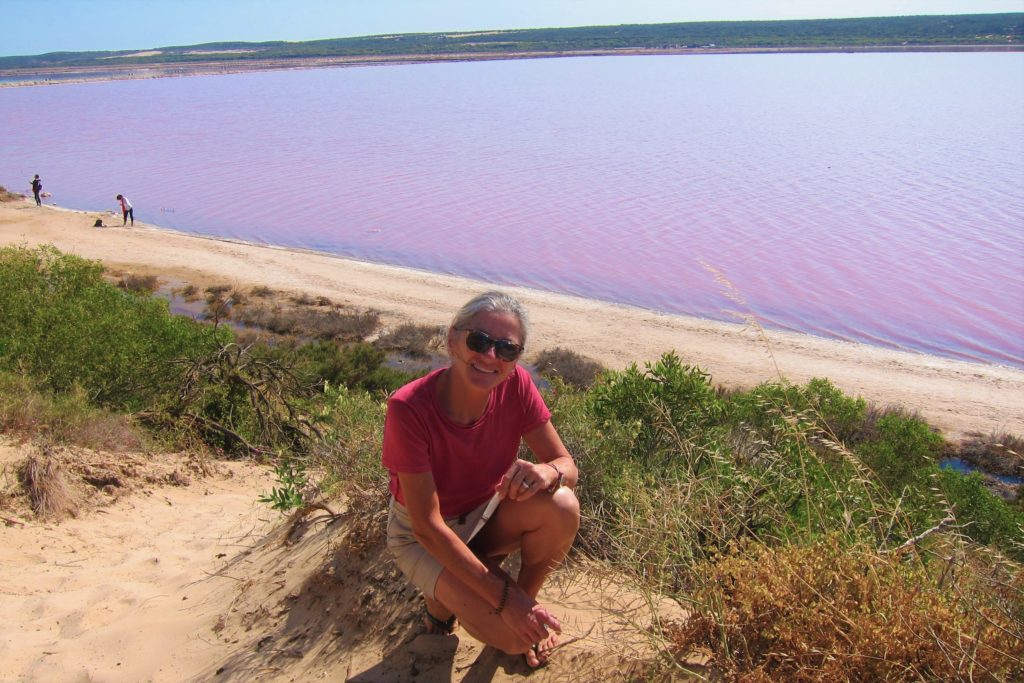
Kalbarri looks wonderful, but there is no place to be had in any caravan park. It turns out to be a school holiday of some kind. We carry on to the next town, Port Gregory, with its strikingly pink lake.
Tickled pink
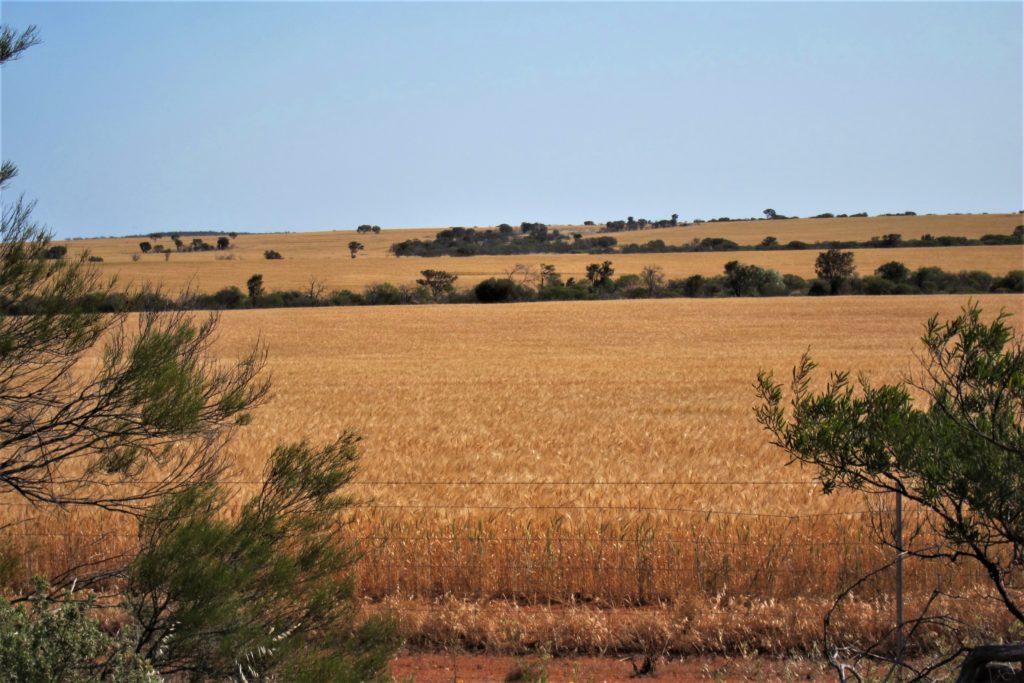
As we get further south, we see broad fields of wheat. This is a welcome surprise, after seeing little but rocks, dry scrubby bush, and spinifex grasses for a few thousand kilometers.
Amber waves of grain
We wonder how they keep the kangaroos out.
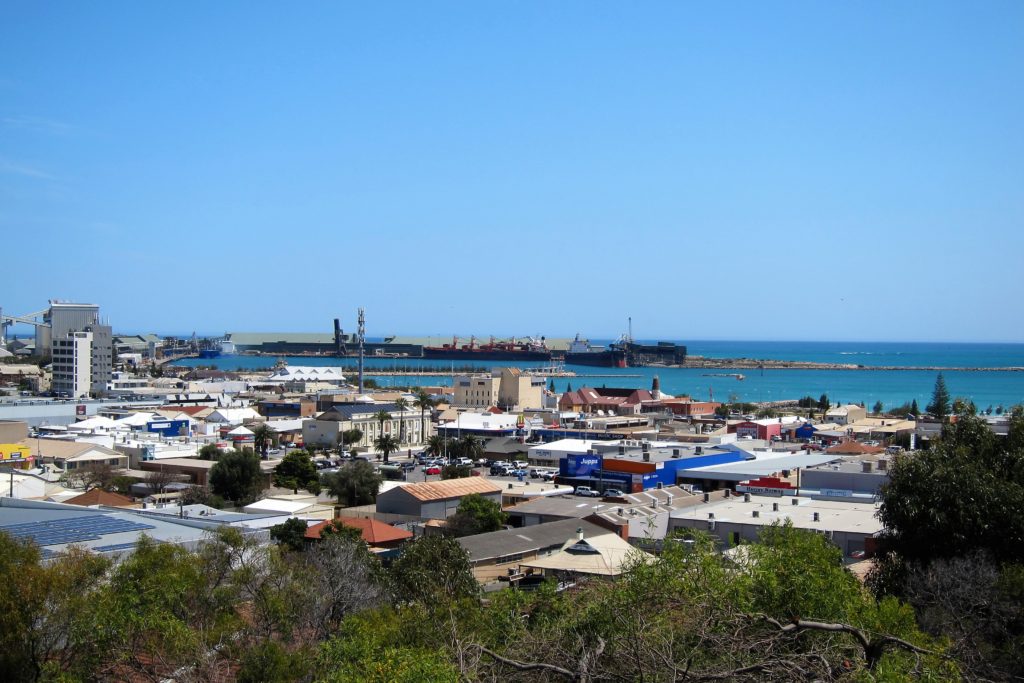
Geraldton is a pleasant small city. It has a port from which a lot of the surrounding grain gets exported.
Port of Geraldton
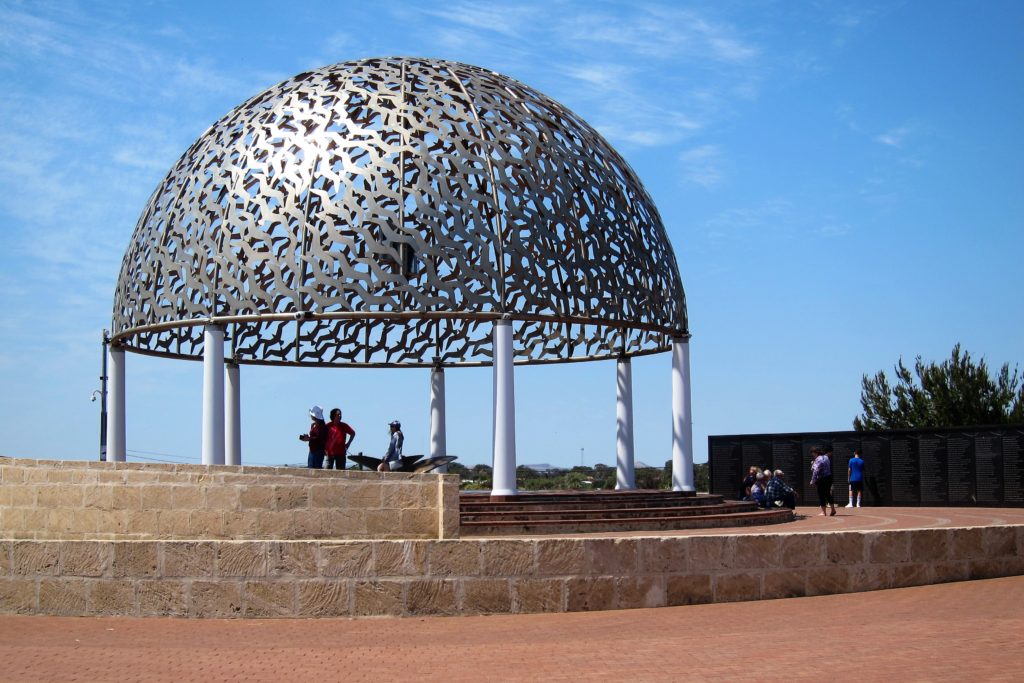
Geraldton has a moving monument to the men of the HMAS Sydney II, a warship lost with all hands in 1941.
Each seagull in the dome represents a sailor
Geraldton is also the home of the Museum of Geraldton. Like most of the museums we visit here, it is nearly new and excellent. Among the exhibits is a 3D film about the discovery of the Sydney II on the ocean floor in 2008, as well as the German ship HSK Kormoran; both ships sank in the engagement. The wrecks lie in 2,500 metres of water, 20km apart, about 200km west of Shark Bay.
The soundtrack is Arvo Pärt’s Für Alina, which is so achingly apt for the film it almost hurts.
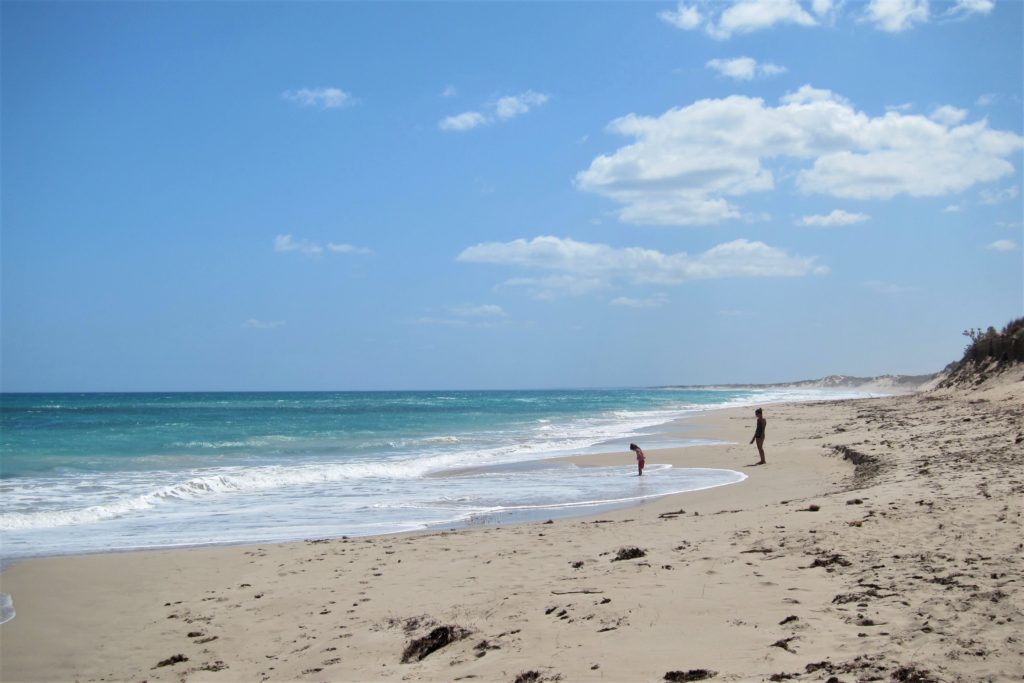
We stay on Sunset Beach.
Sunset Beach
It’s nice.
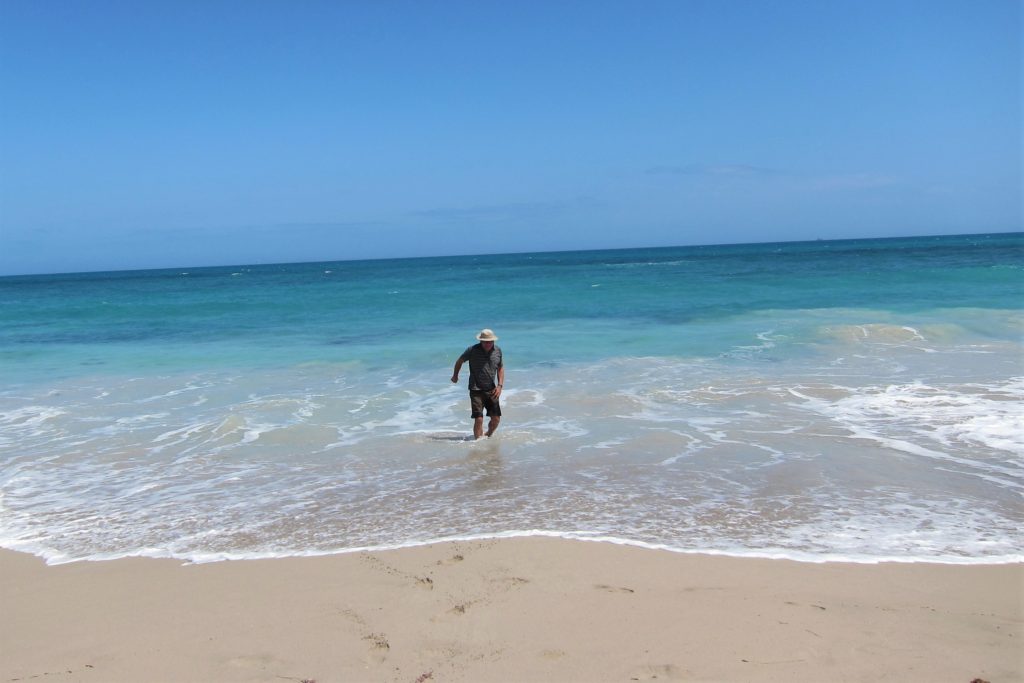
I get soaked while posing for a photo
We walk around town, but the streets are nearly deserted. The National Rugby League Grand Finals are on, and a large part of the Australian population is glued to a TV screen. This phenomenon always puts me in mind of Lynn Miles’s ‘Hockey Night in Canada‘. If you don’t share the mania for the national sport, prepare to feel a little alienated.
We head down the scenic ocean route to Perth.
Approaching Lancelin
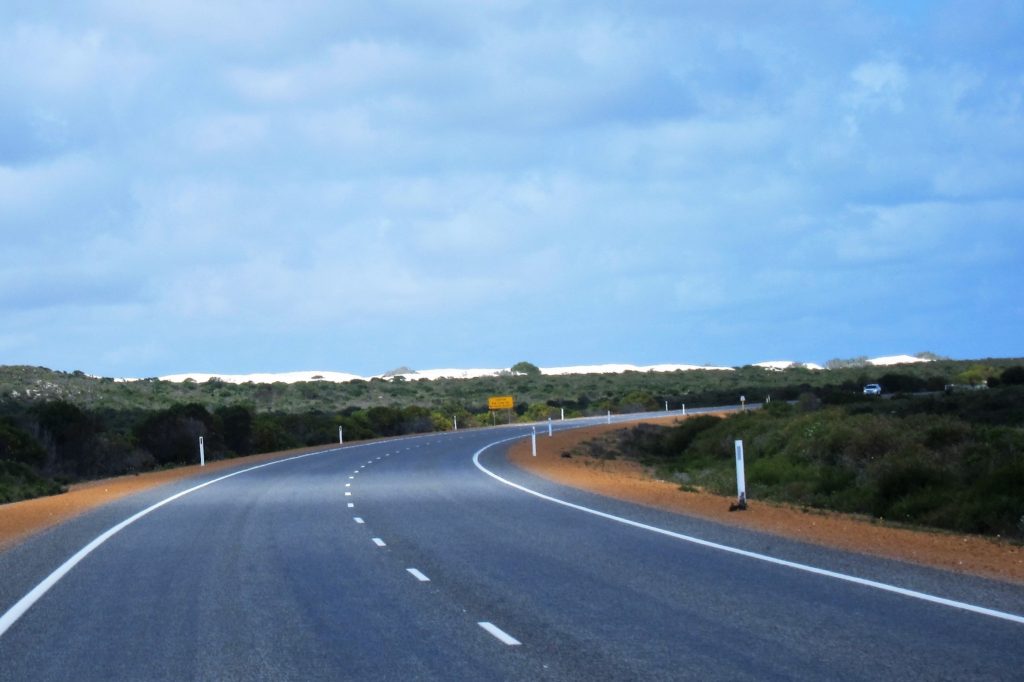
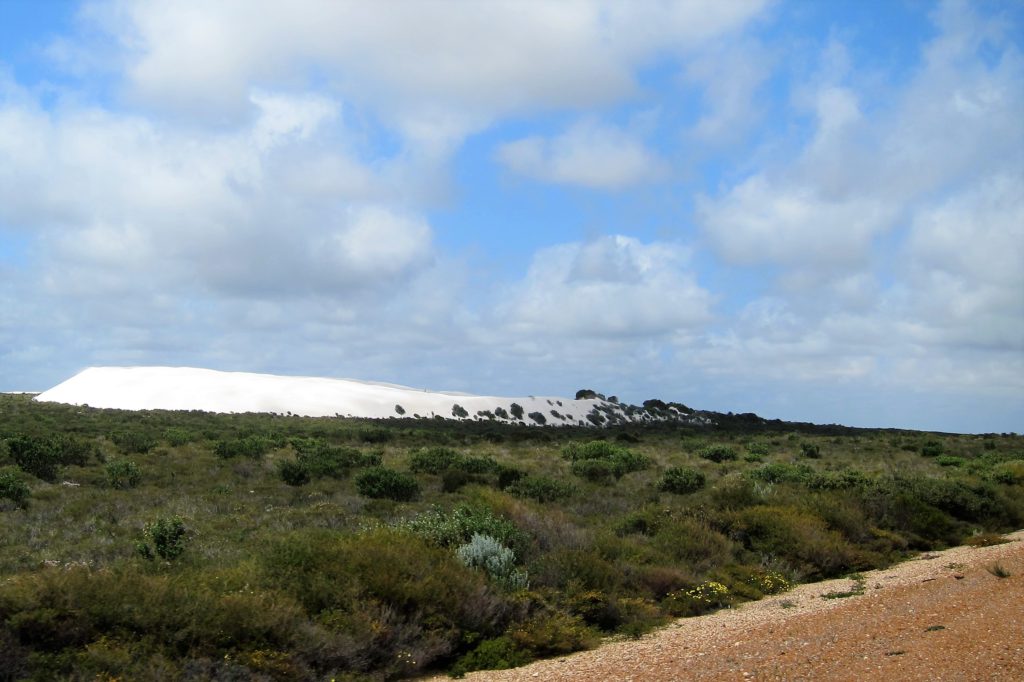
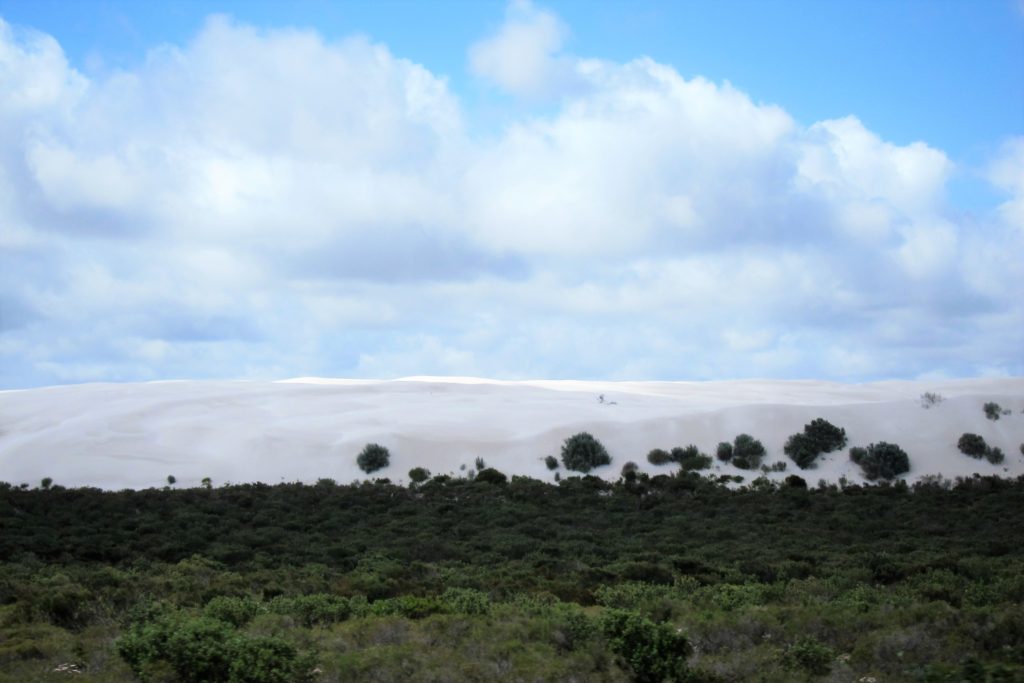
Near the town of Lancelin are enormous white sand dunes that look like snow.
White dunes
Or sugar.
♫ Oh, to live on Sugar Mountain…♪
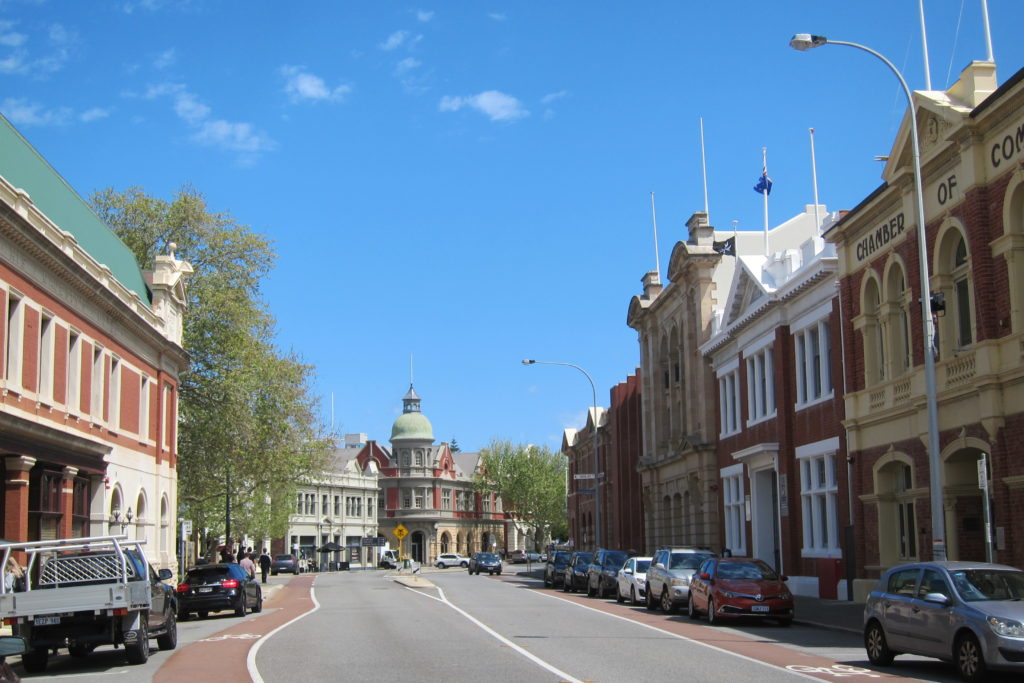
We arrive in the bright lights of Perth. Similar to our trip to Sydney, it takes some adjusting to be back in urban Australia again.
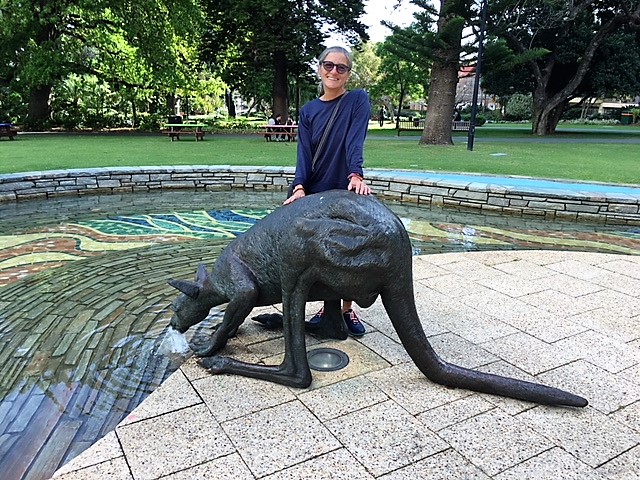
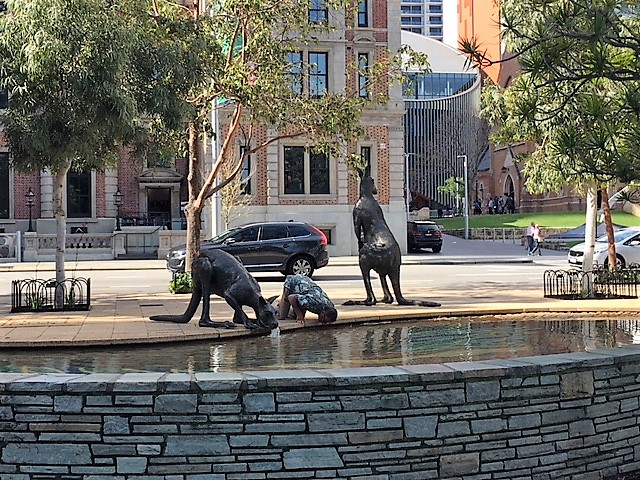
Drinking kangaroo sculpture on St, George’s TerraceI check the water for myself
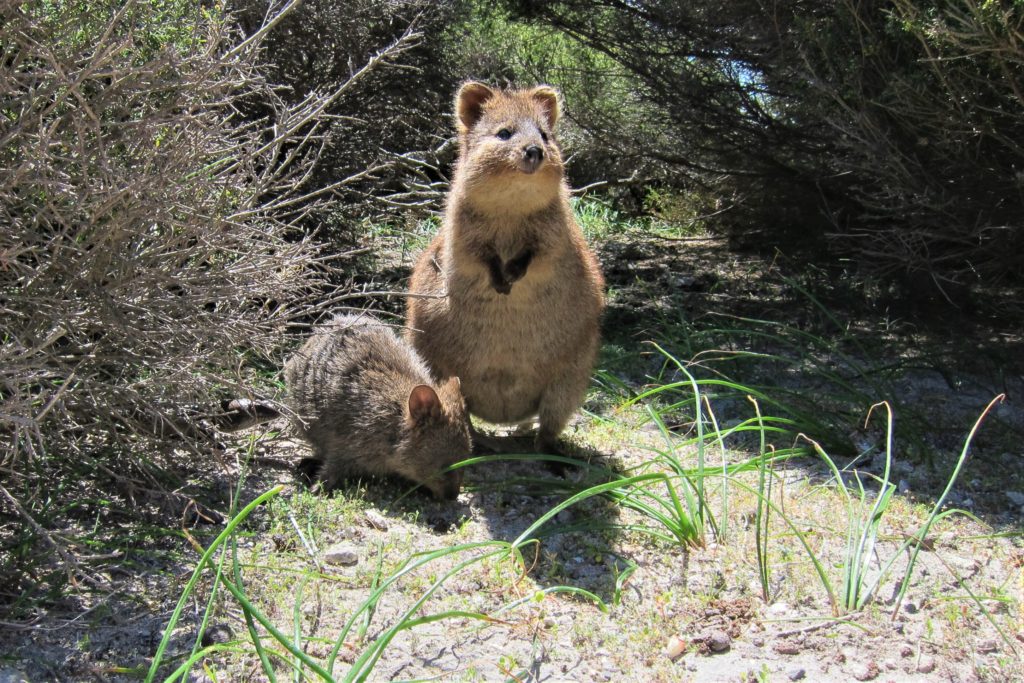
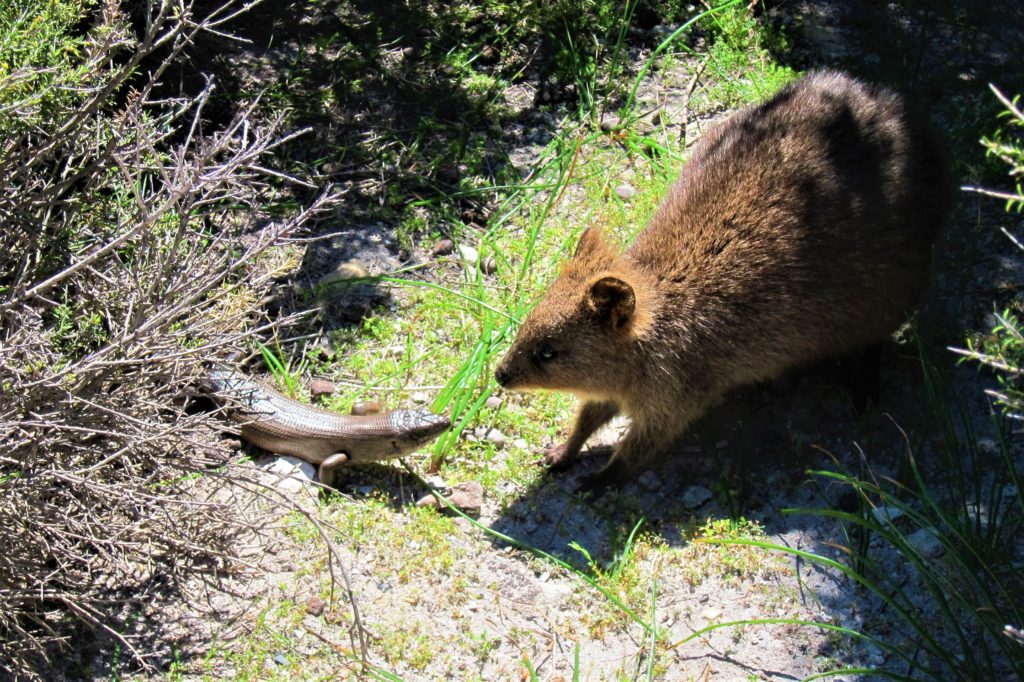
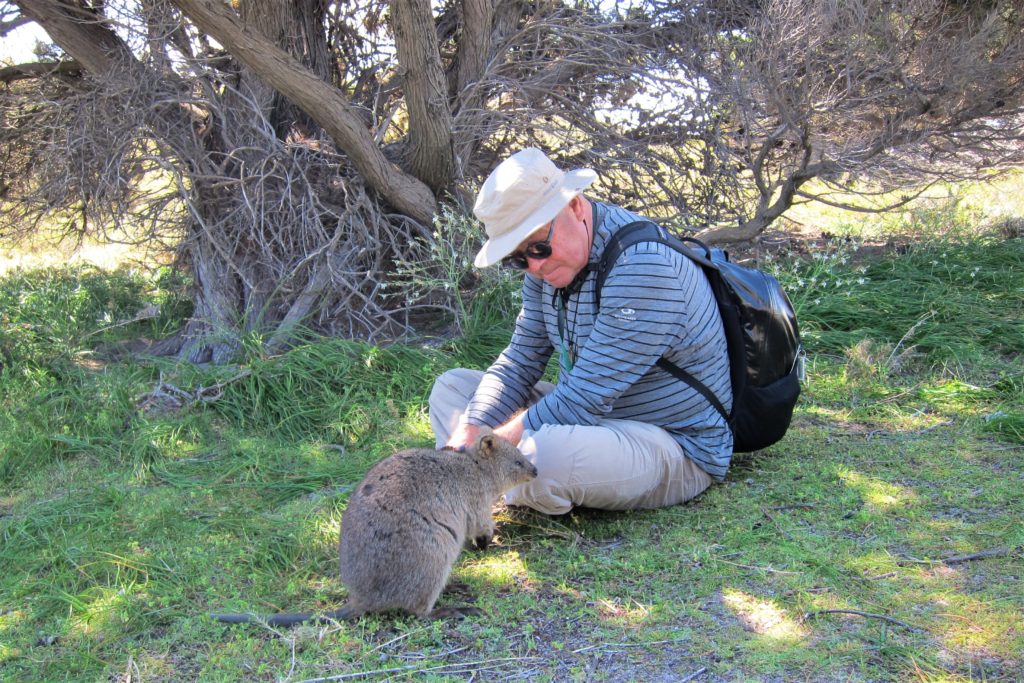
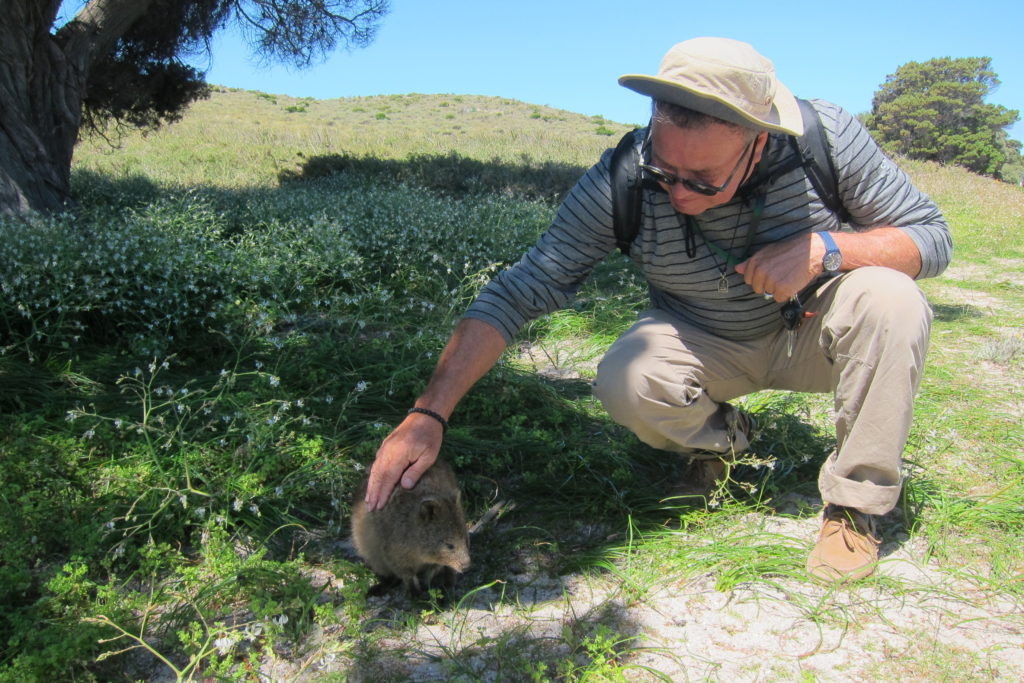
Quokkas are endearingly unafraid of people. They browse contentedly on the grass and tend to ignore humans.
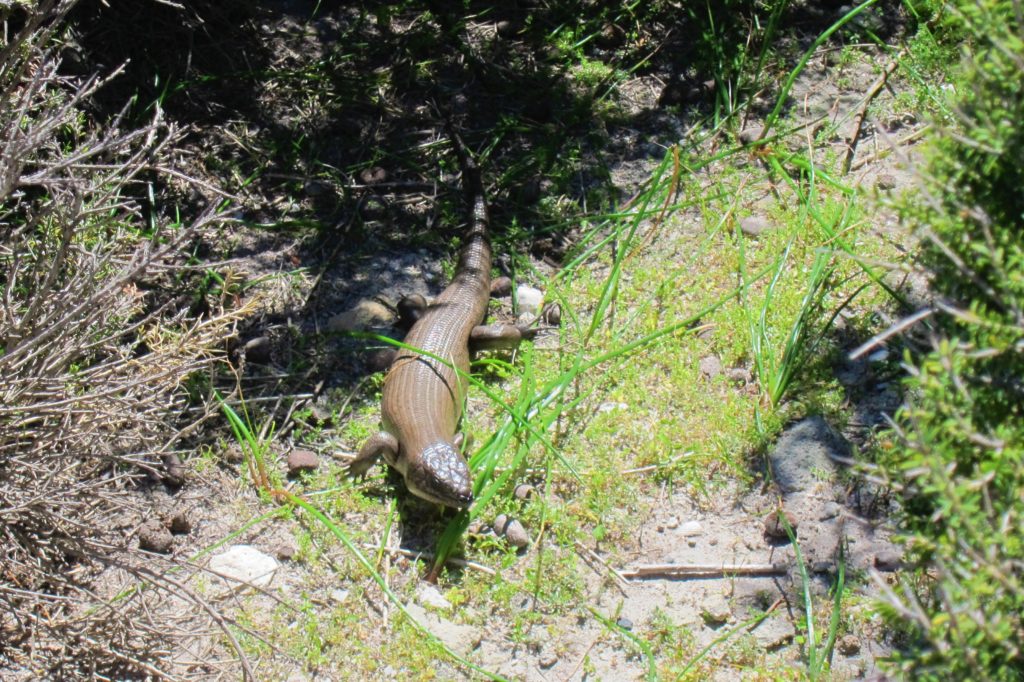
Marsupial meets mammal
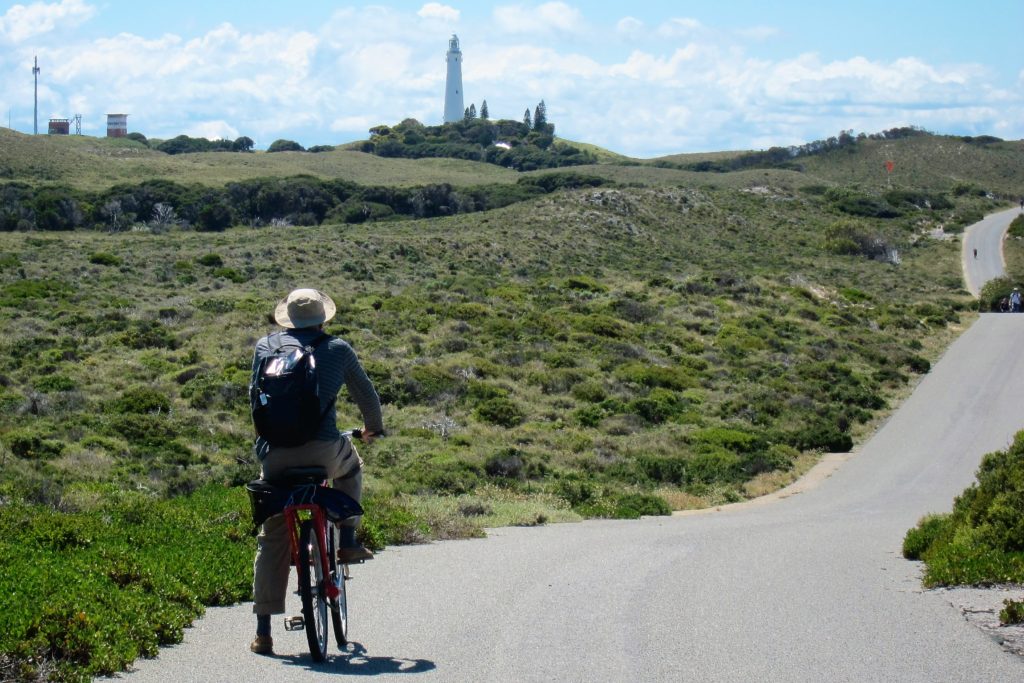
We rent bicycles and tour the island.
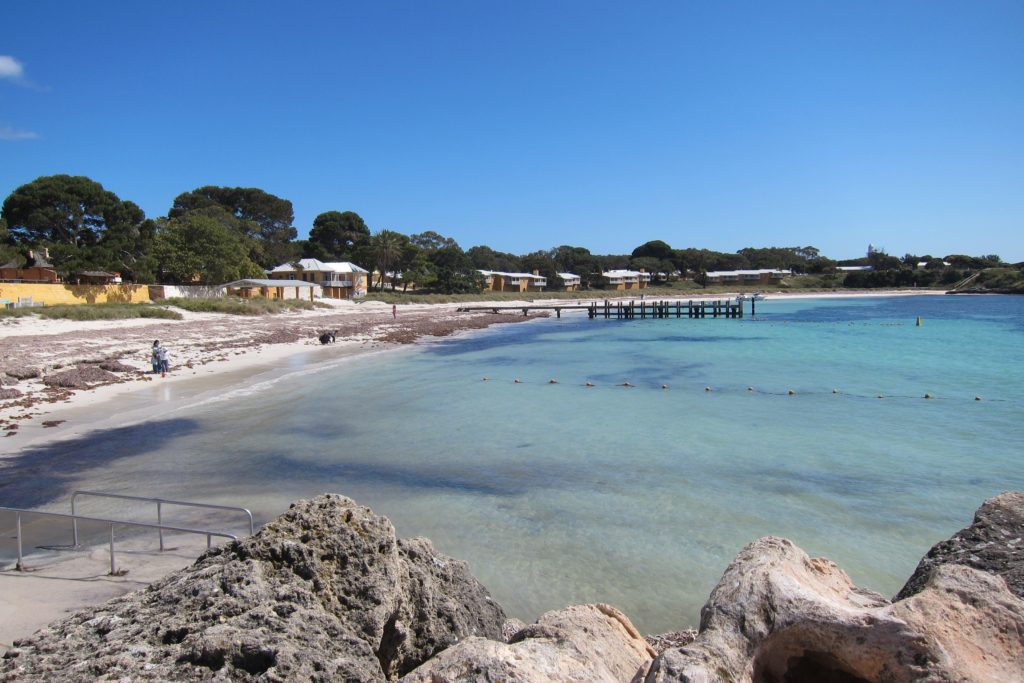
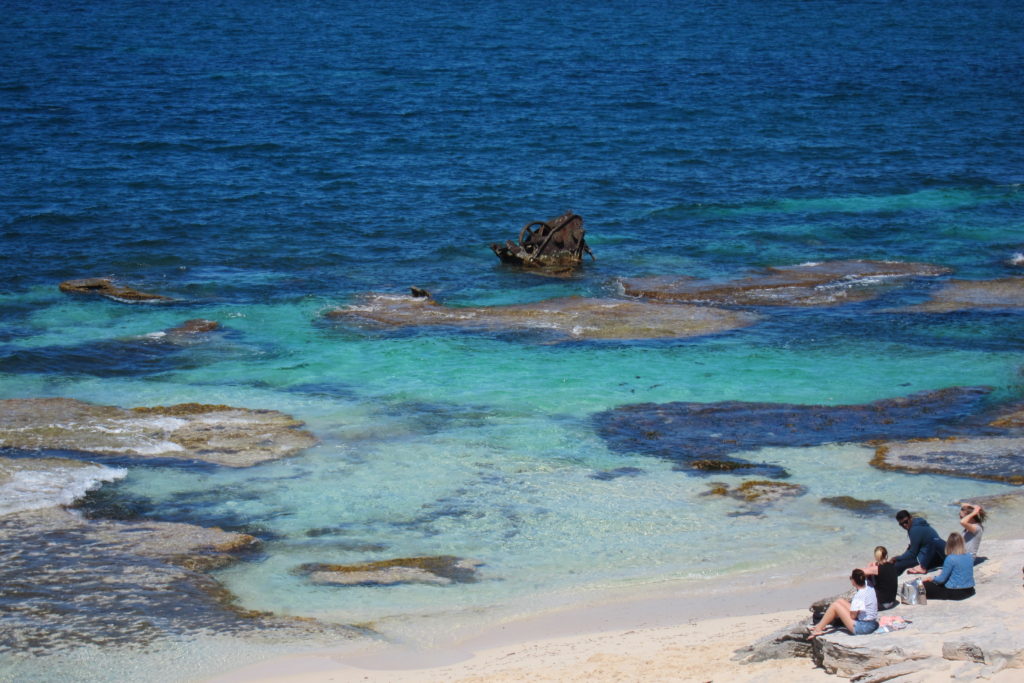
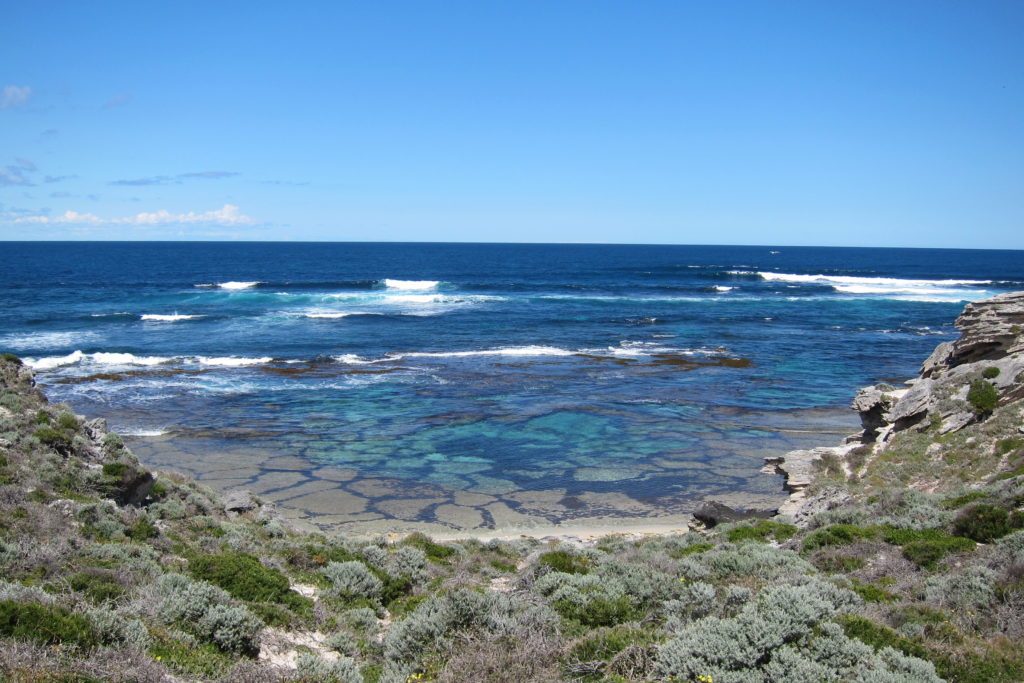
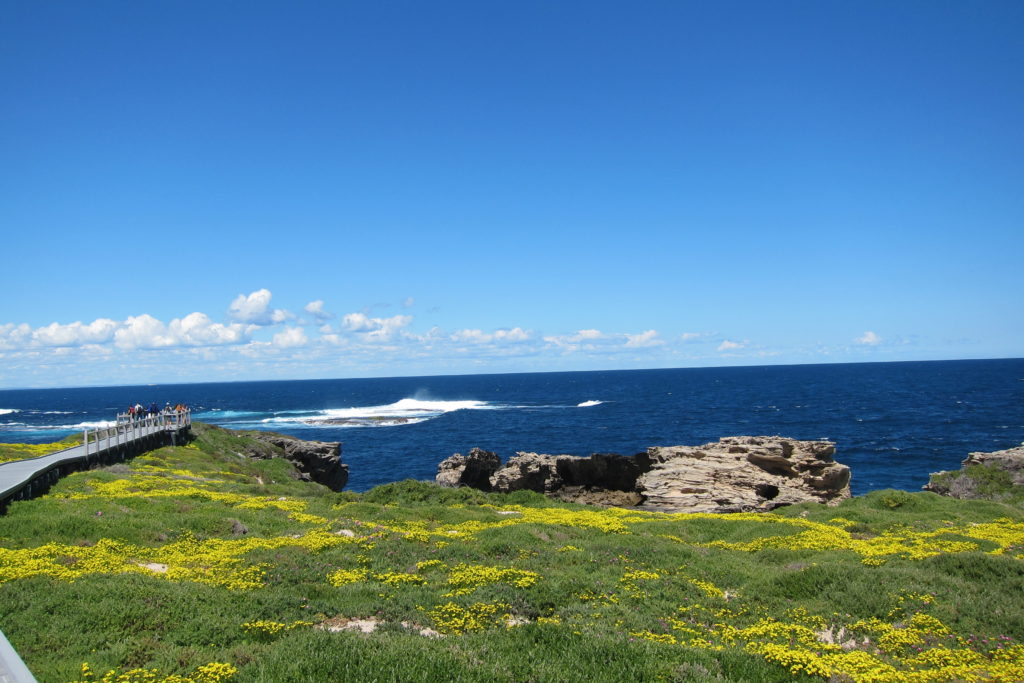
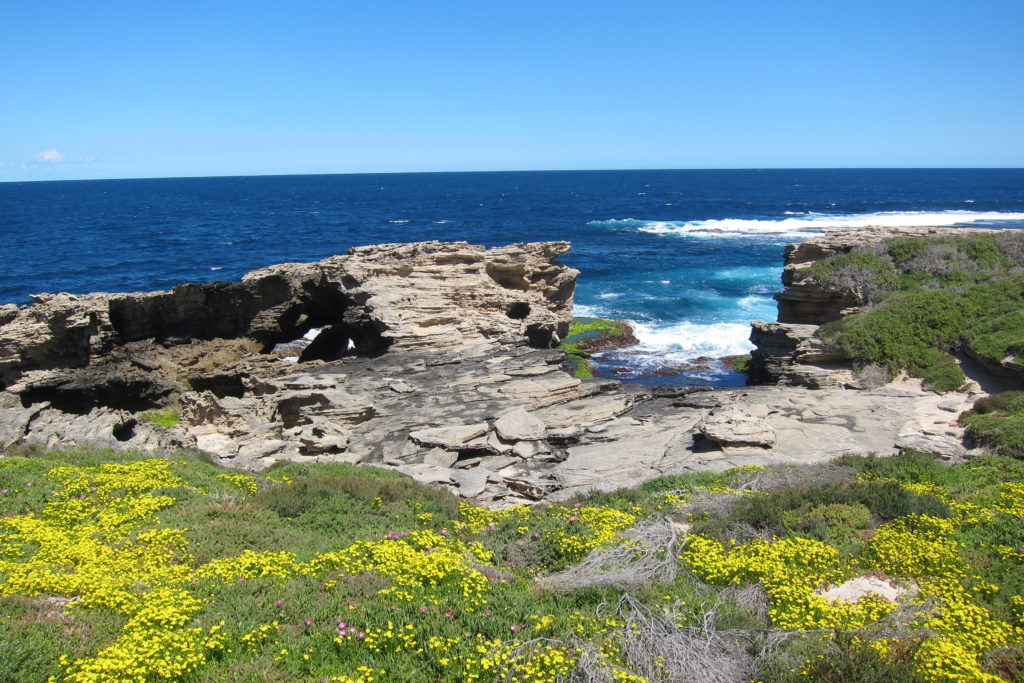
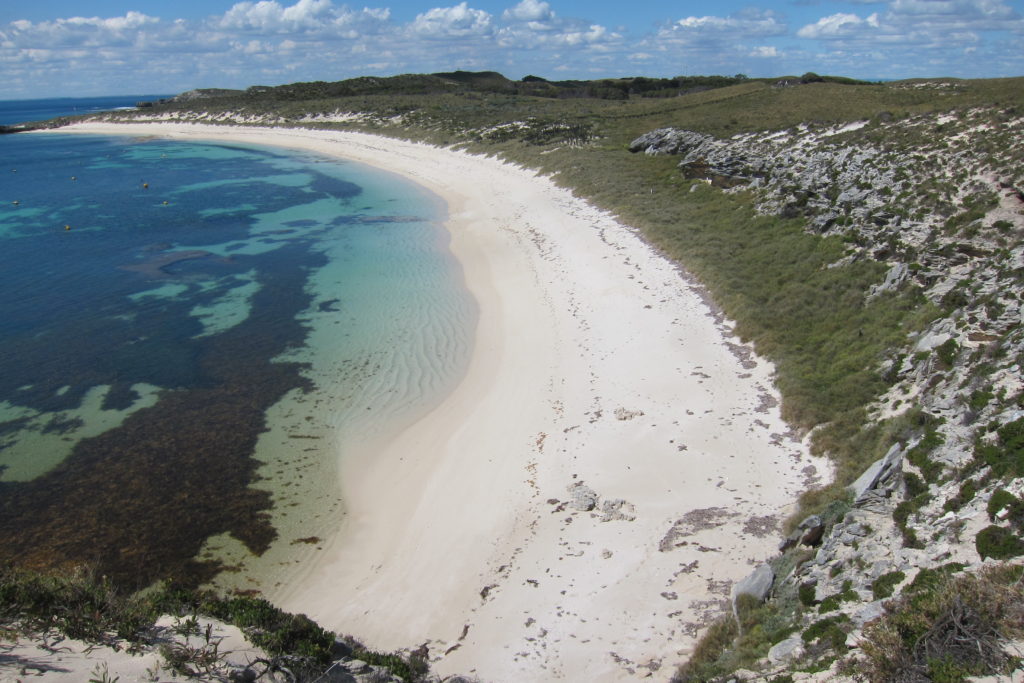
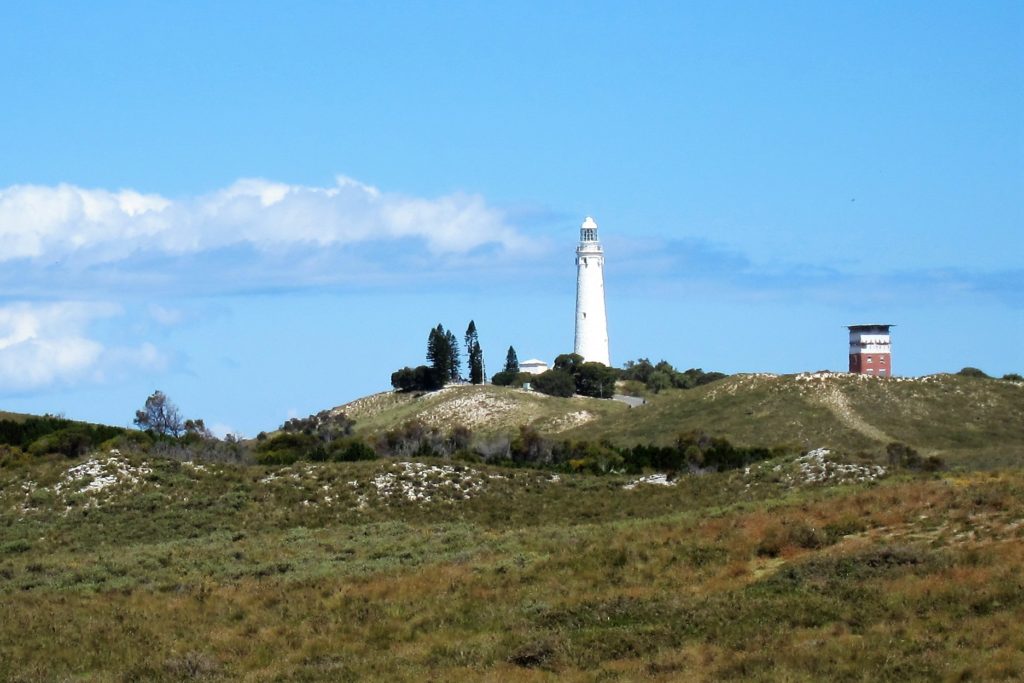
Wadjemup lighthouseHenrietta Rocks, Rottnest IslandBay, Rottnest IslandTidal pools, Rottnest Island
There are signs that say ‘Don’t touch or feed the wildlife’. However, I can’t resist a quick illicit petting.
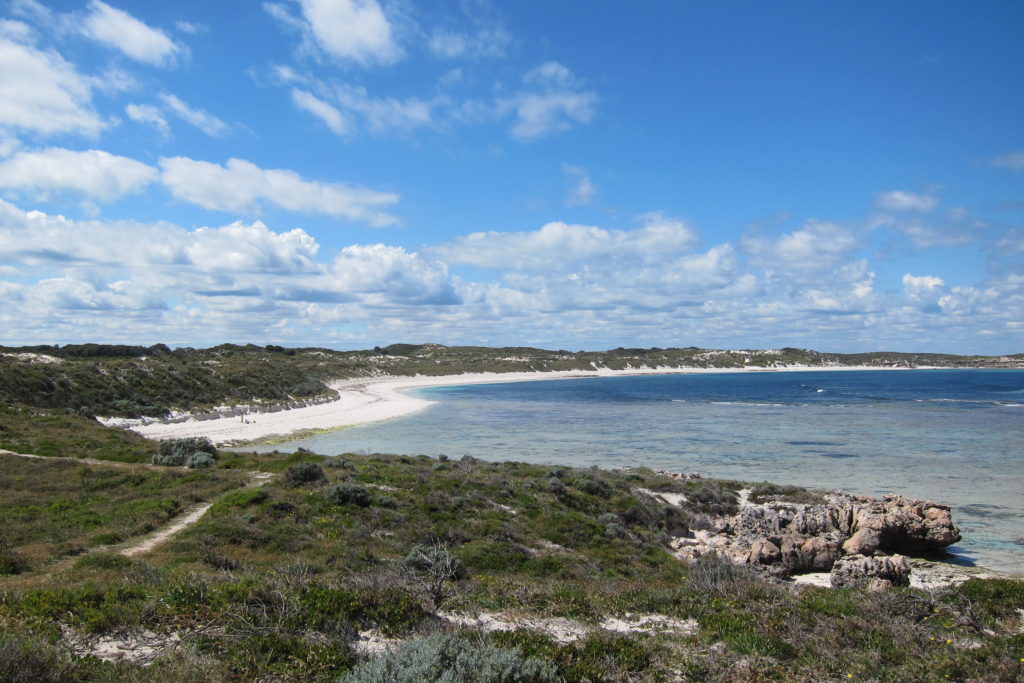
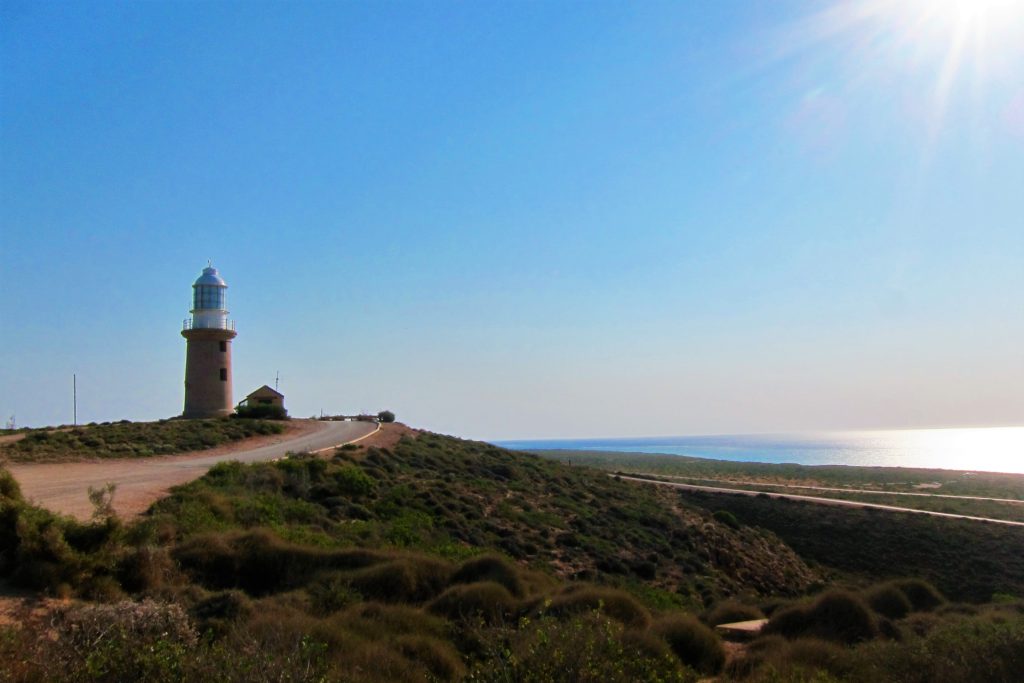
I can cross ‘pet a quokka’ off my bucket listCape Vlamingh, Rottnest IslandCape Vlamingh, Rottnest IslandBeach, Rottnest IslandWadjemup lighthouse, closer up
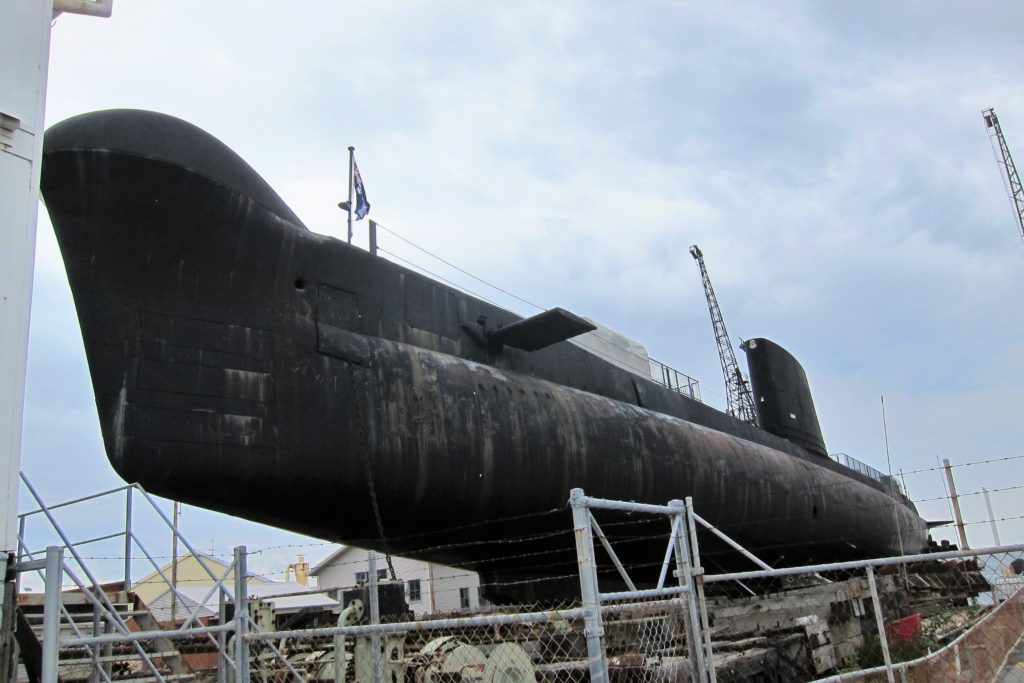
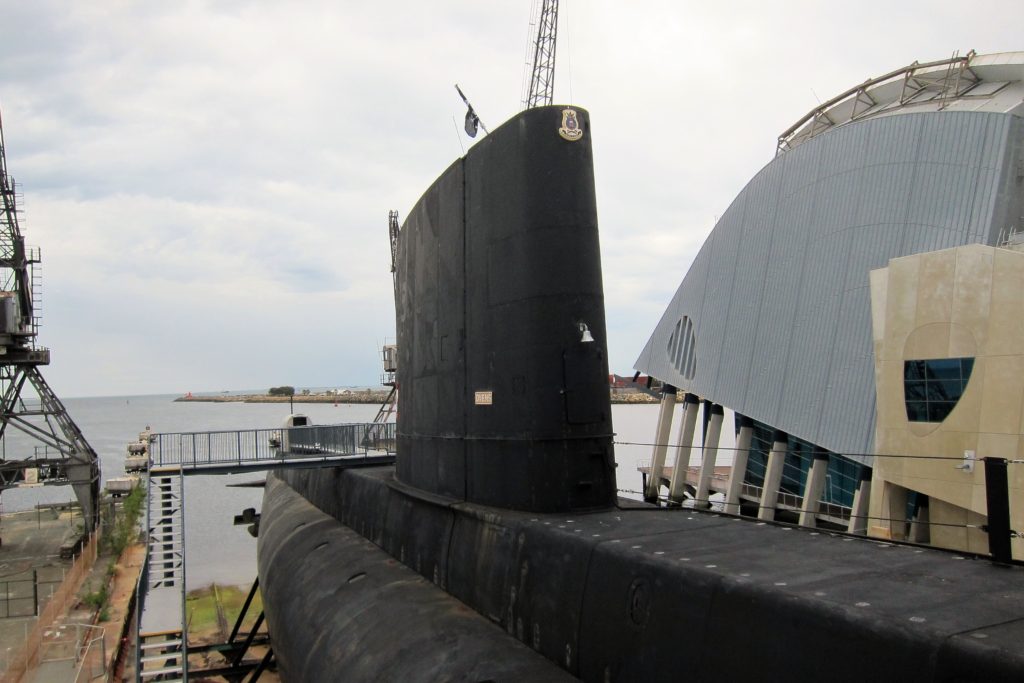
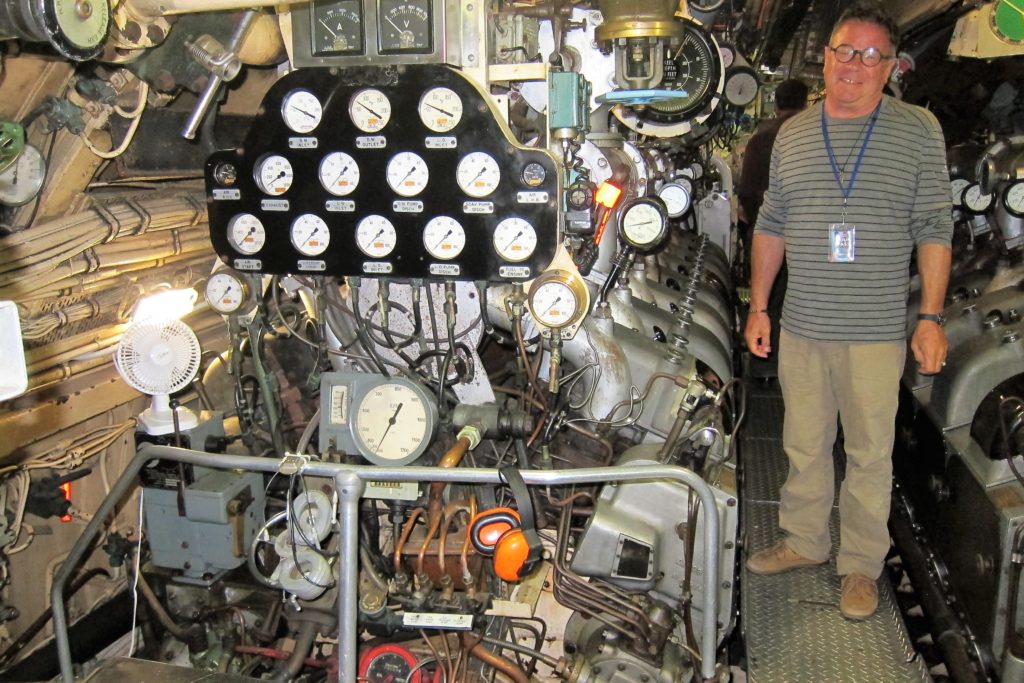
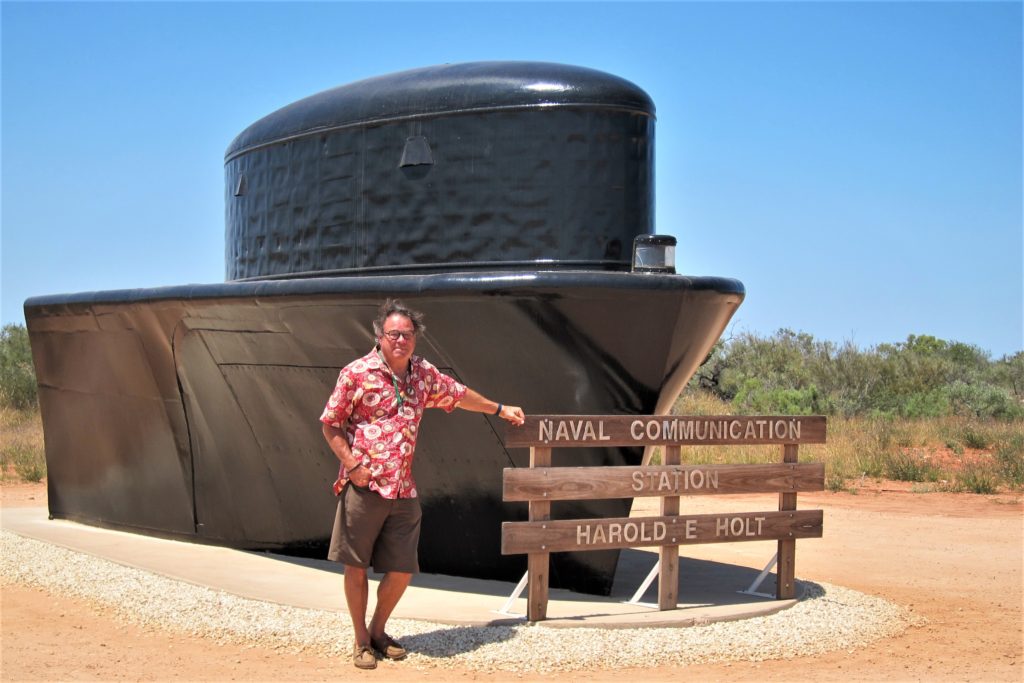
Our guide, Keith, is a retired submariner. He served on this very boat (a sub is always a ‘boat’, and not a ‘ship’ apparently), HMAS Ovens, for 11 months, during his career.
Permission to come aboard
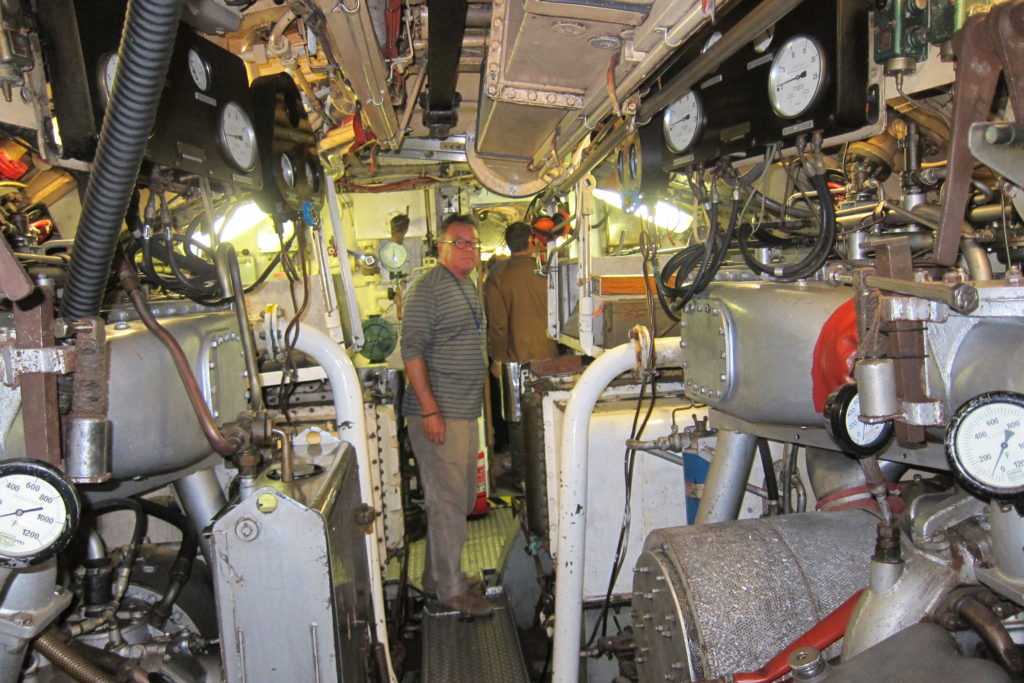
There’s a world of difference between listening to a barely-motivated guide and one that has actually served in submarines for 20 years. Especially one with an Australian sense of humour and typical Aussie casualness to authority.
Plenty of horsepower. Or is that seahorsepower?
We learn that everyone on board is familiar with all the sub’s systems. To the point where many tasks can be done in complete darkness.
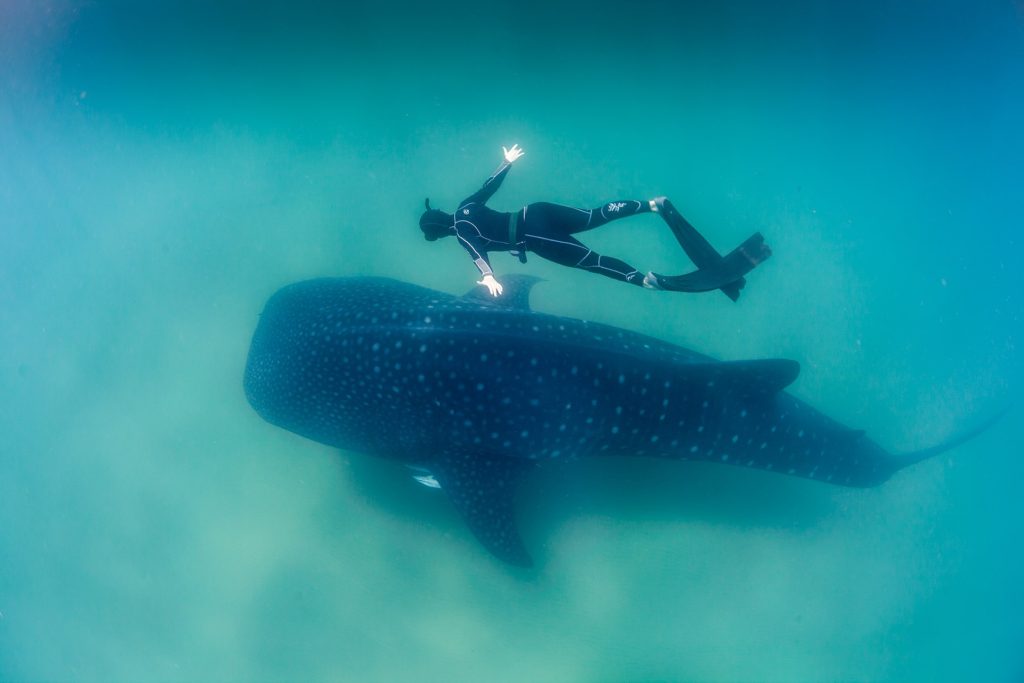
In the season – March to August – you can swim with them, if you’re so inclined. It’s gonna cost you, though.
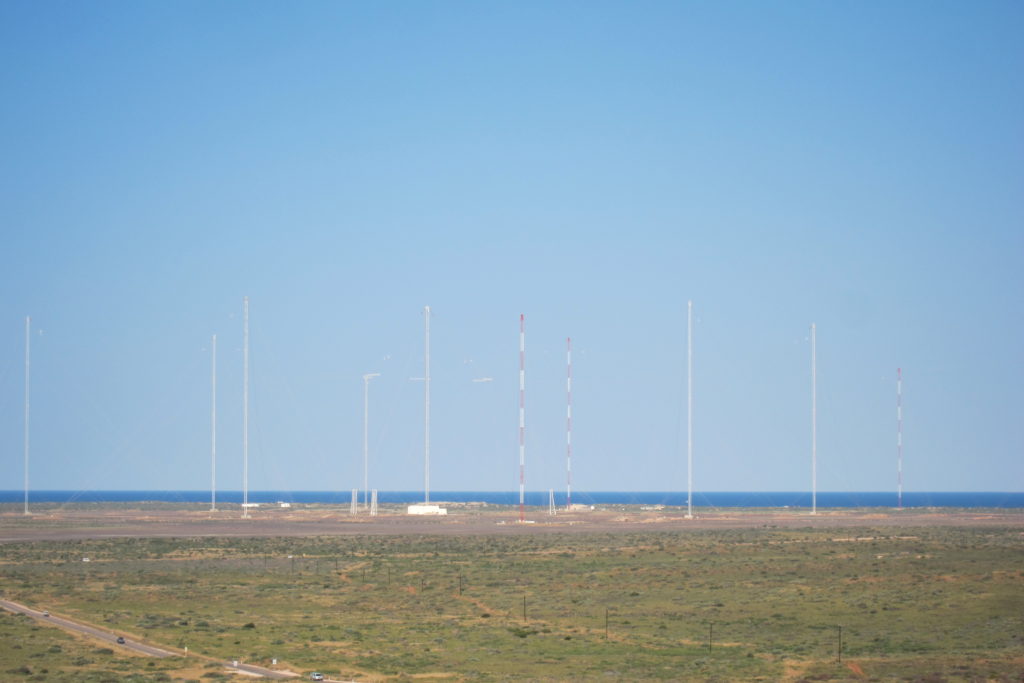
Instead of defense folks, Exmouth is now a popular place for retired Aussies to move to.
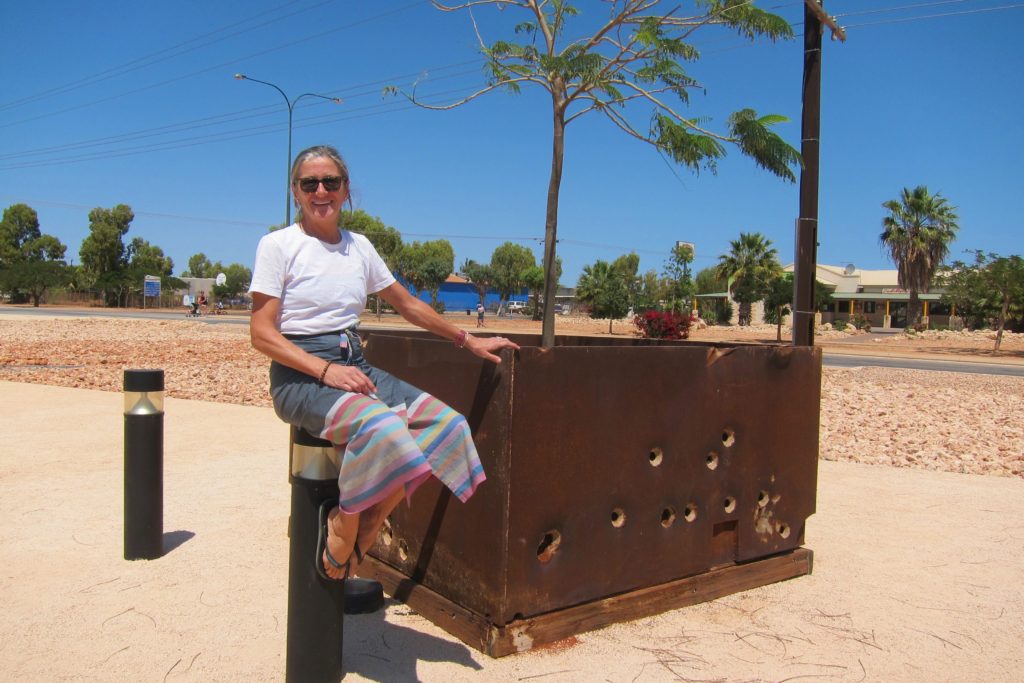
In front of the impressive Ningaloo Visitors Centre are these interesting planters. In its military heyday, armour-piercing rounds are fired at centimeters-thick steel plate in nearby training grounds. These are now recycled into civic furniture.
Swords into ploughshares, sort of
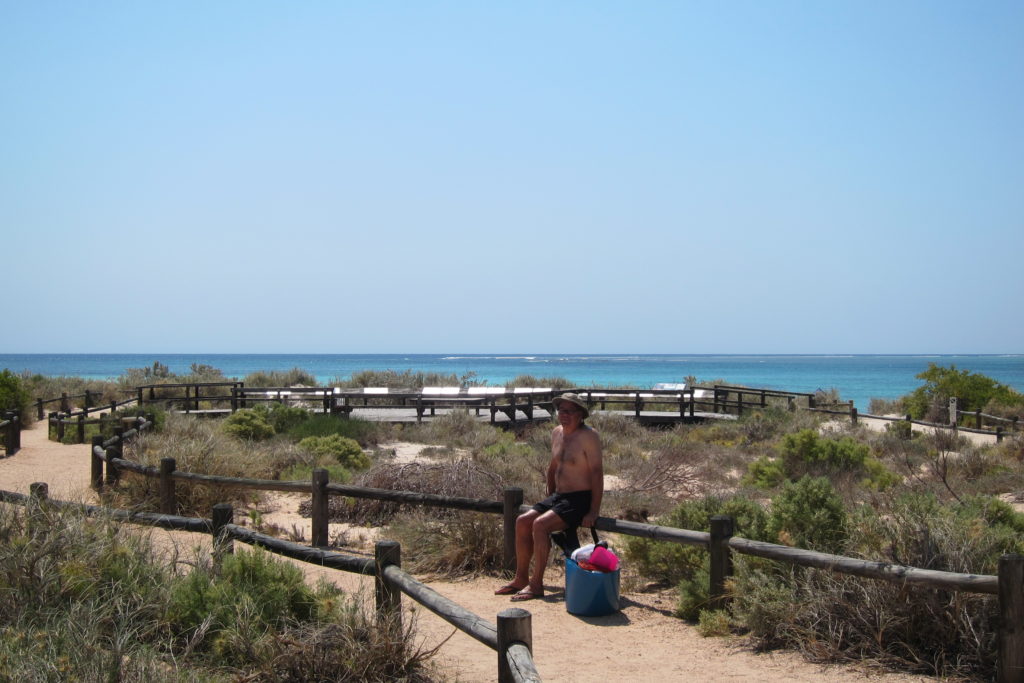
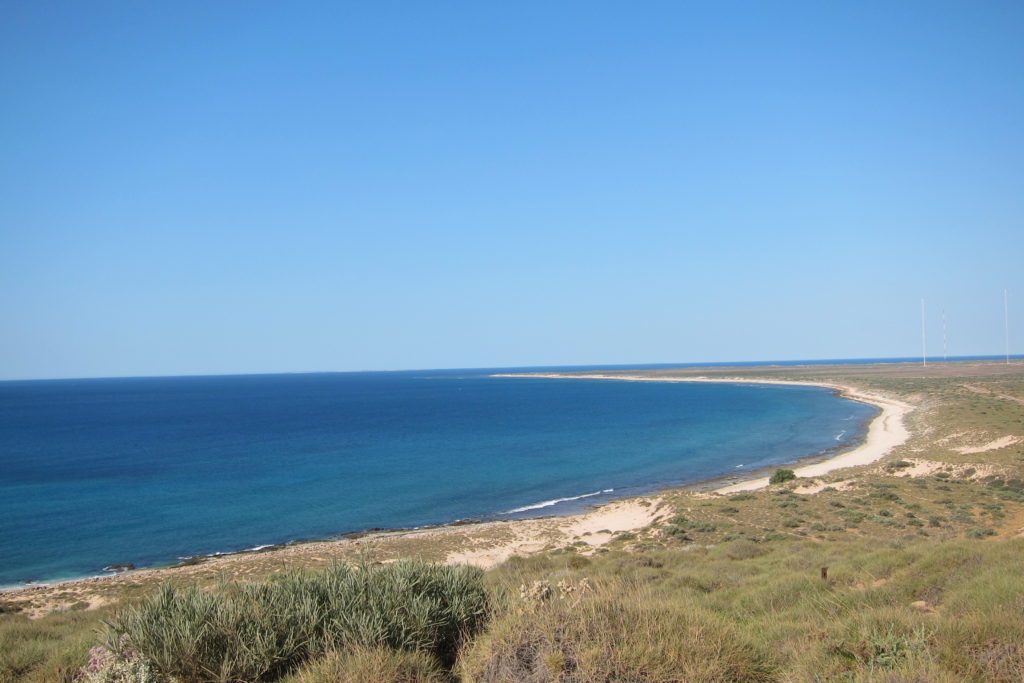
Nearby are the stunning Ningaloo Coast and Cape Range National Park.
Strolling to Turquoise Bay
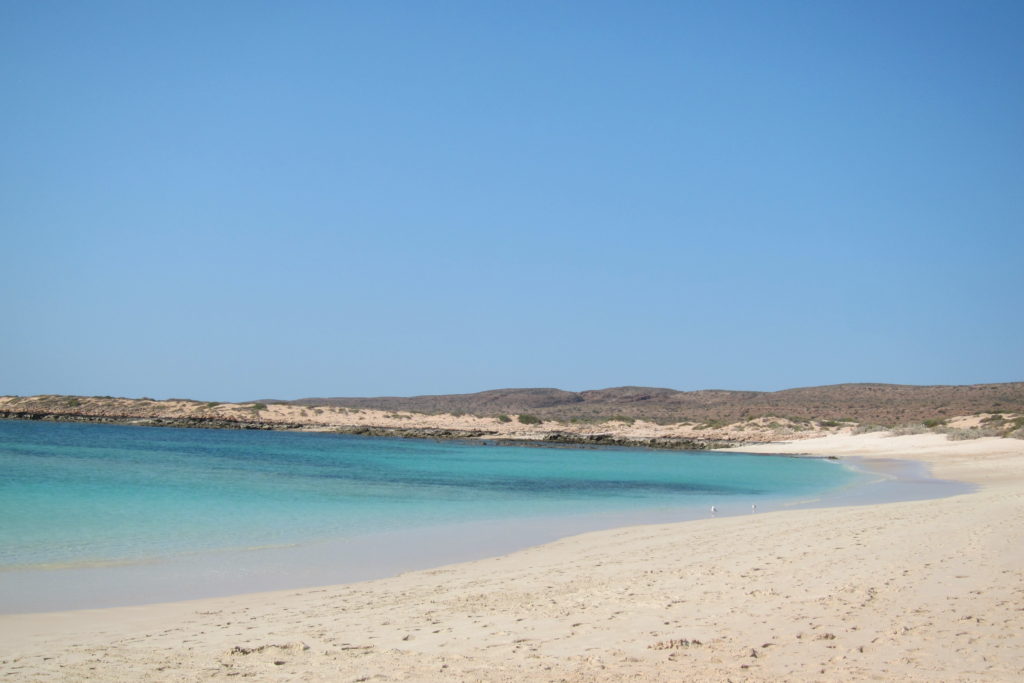
This is the kind of snorkeling we like: step off the beach into the bay and you are immediately surrounded by coral and thousands of insanely colourful fish.
Turquoise Bay
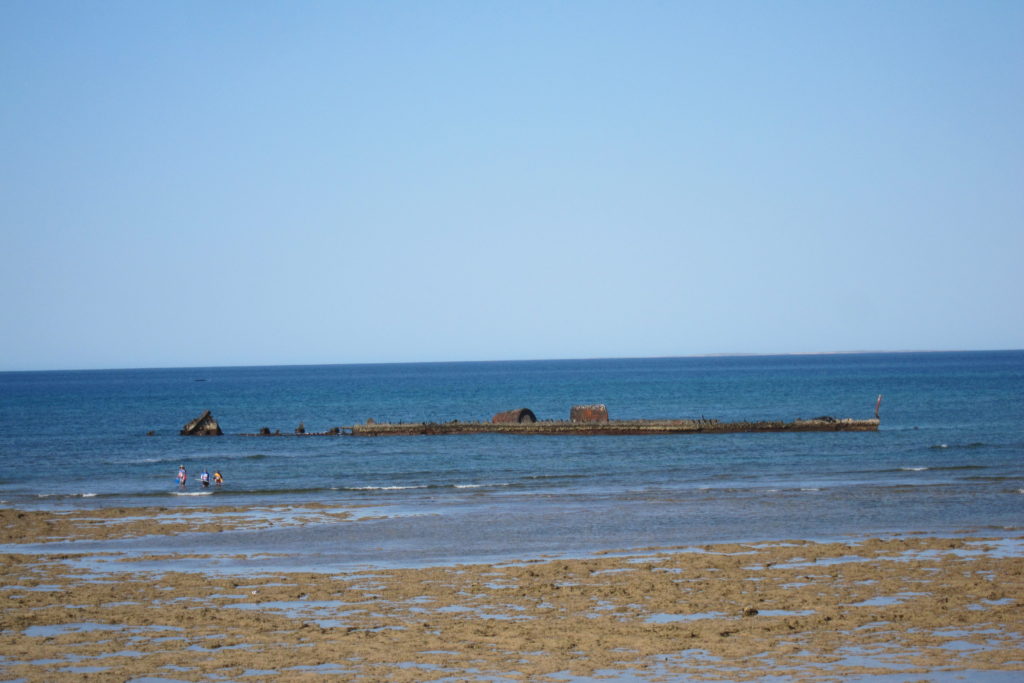
There are shipwrecks galore along this coast.
Wreck of the cattle ship Mildura
You don’t have to go far to get away from it all.
Exmouth to Carnarvon
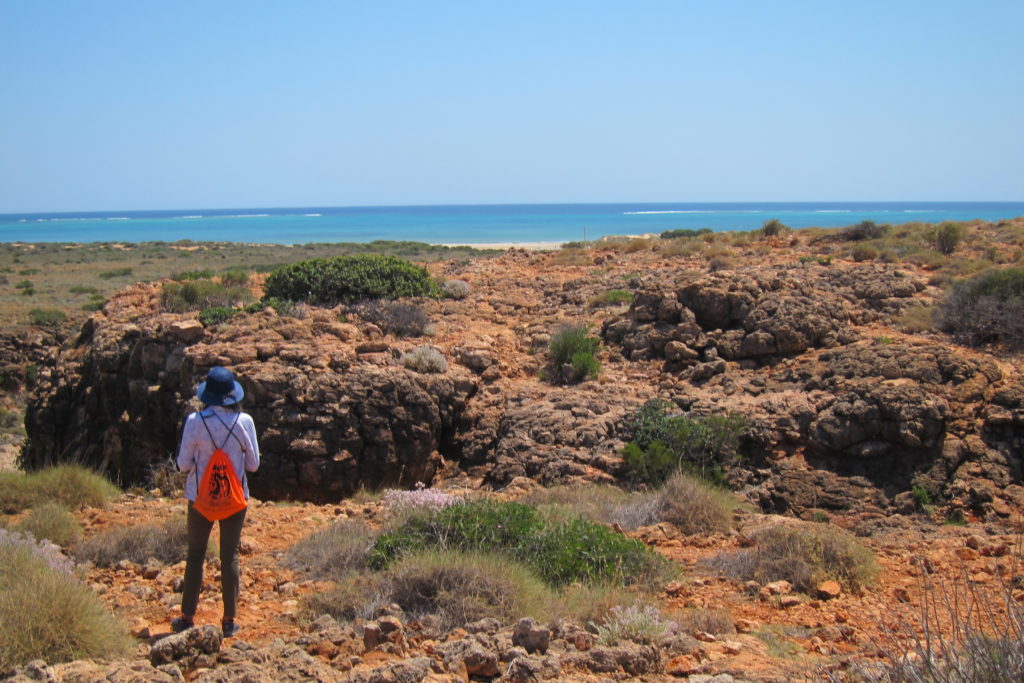
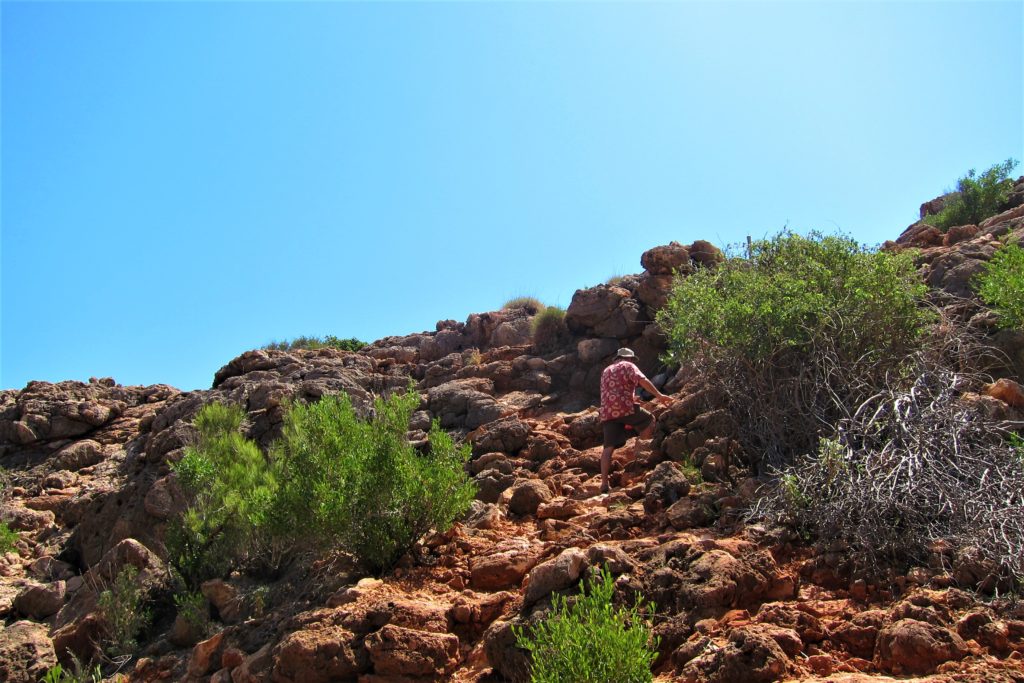
We go to the end of Cape Range National Park and hike the Yardie Creek gorge.
View from Yardie Creek gorgeYardie Creek gorge
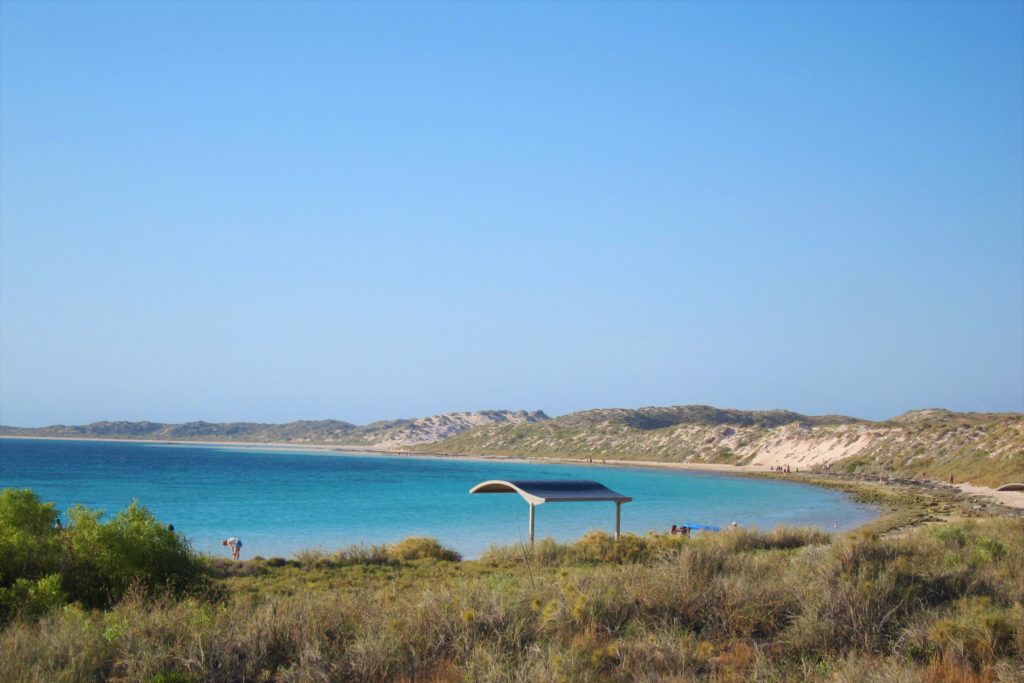
We go further down the coast to Coral Bay.
Coral Bay
It’s OK, but too crowded for us.
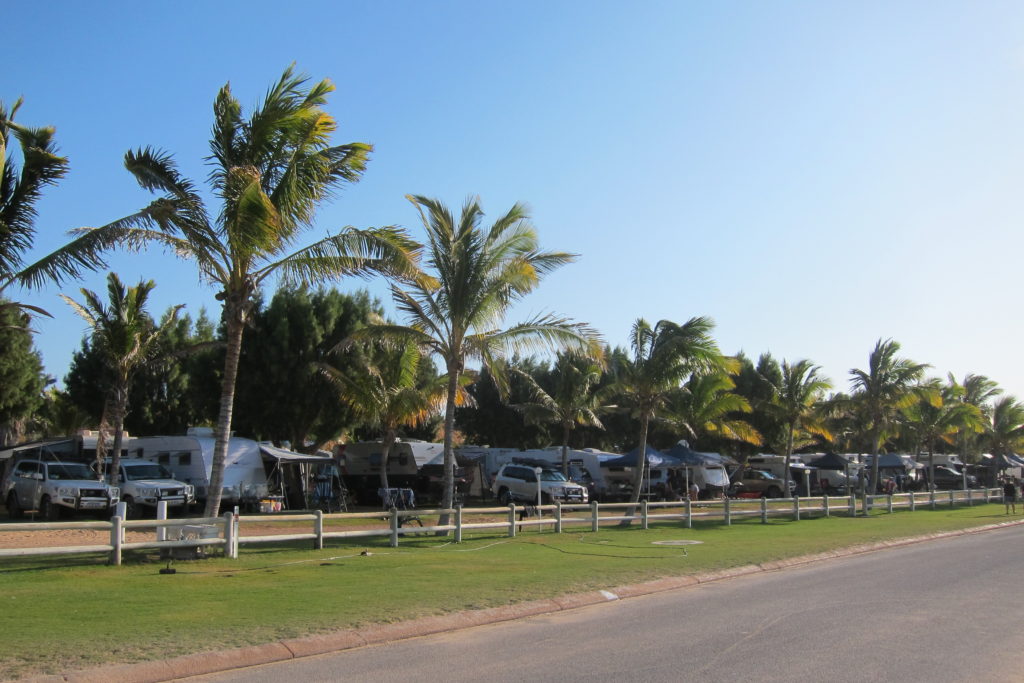
Coral Bay caravan park
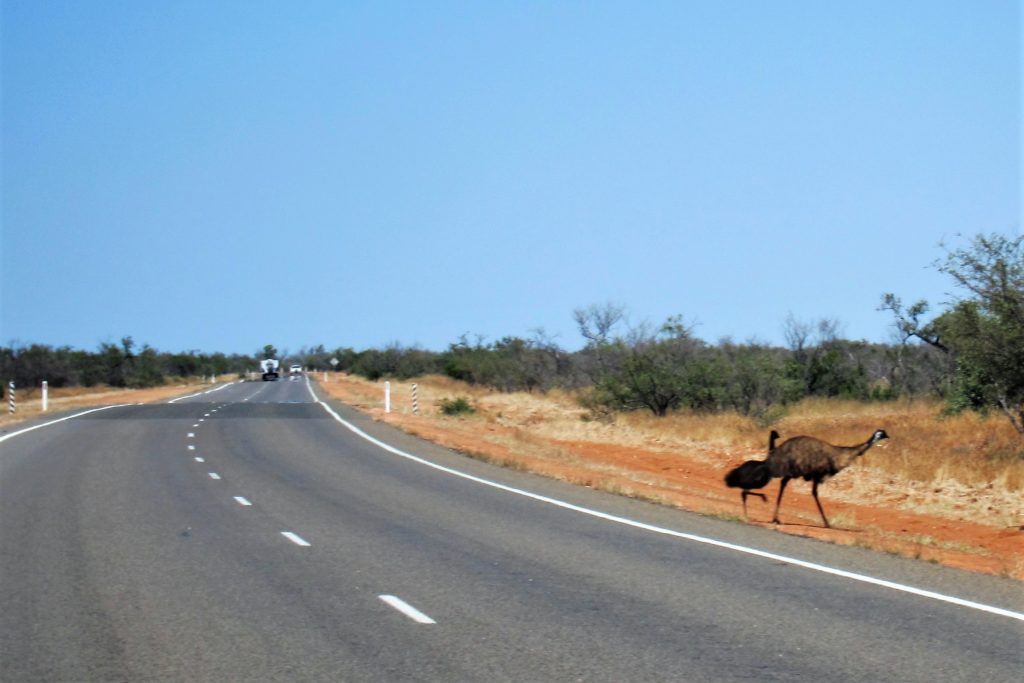
Driving down to Carnarvon, we come across a mamma emu and her young one crossing the highway.
Why did the emu cross the road?
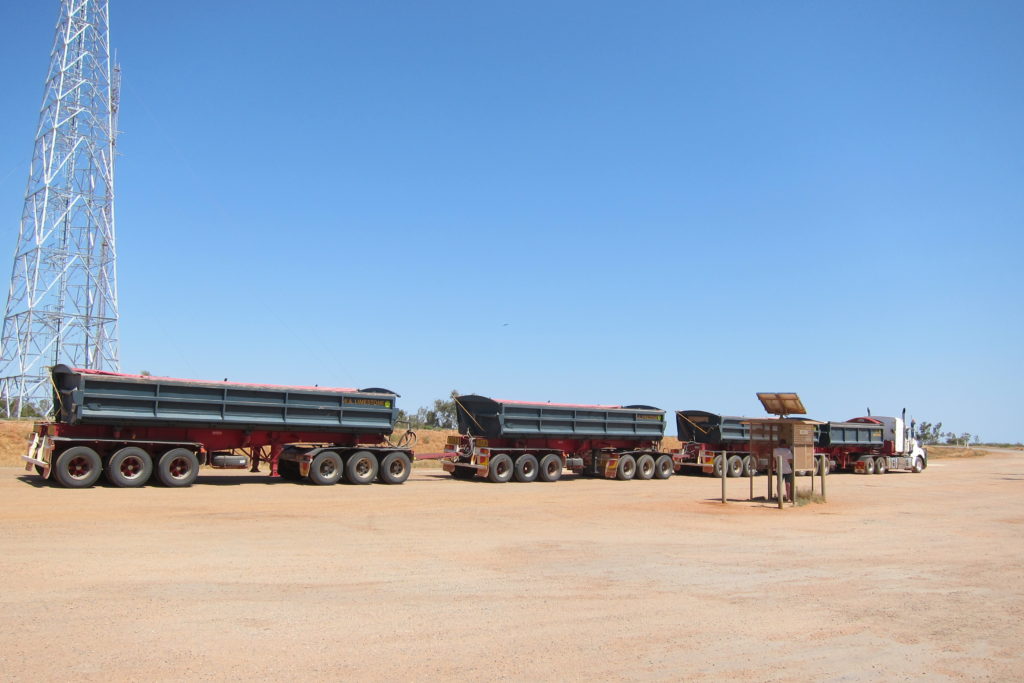
We stop for lunch at the Overlander roadhouse.
Four-trailer road train
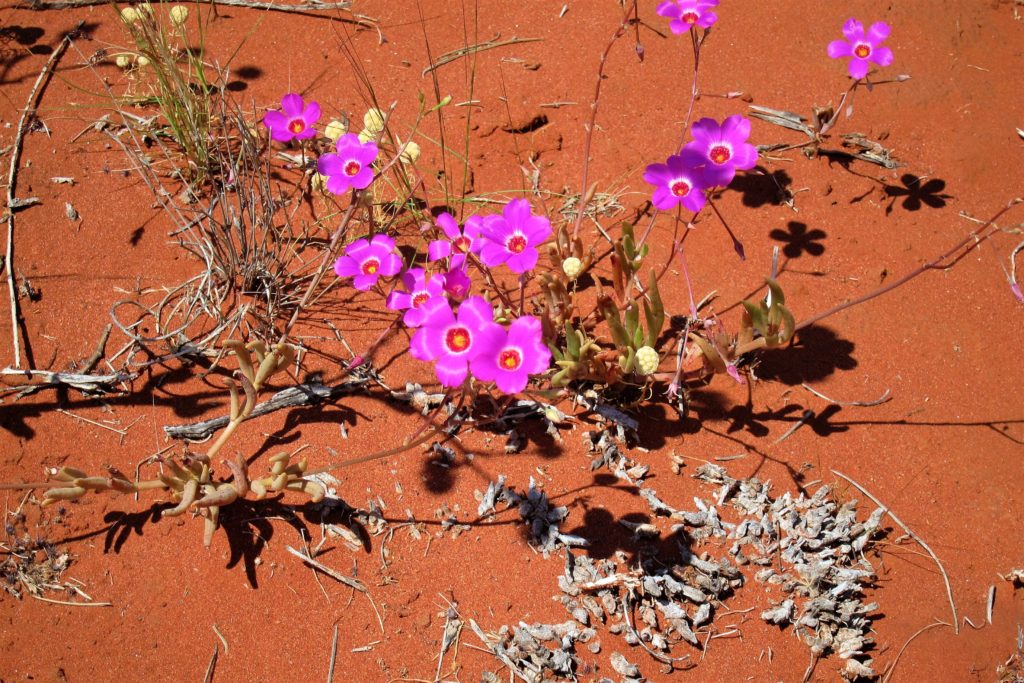
Maria likes these flowers against the dusty red dirt.
After the fleshpots of Sydney, we are happy to be back in the outback again.
Iconic bottle trees
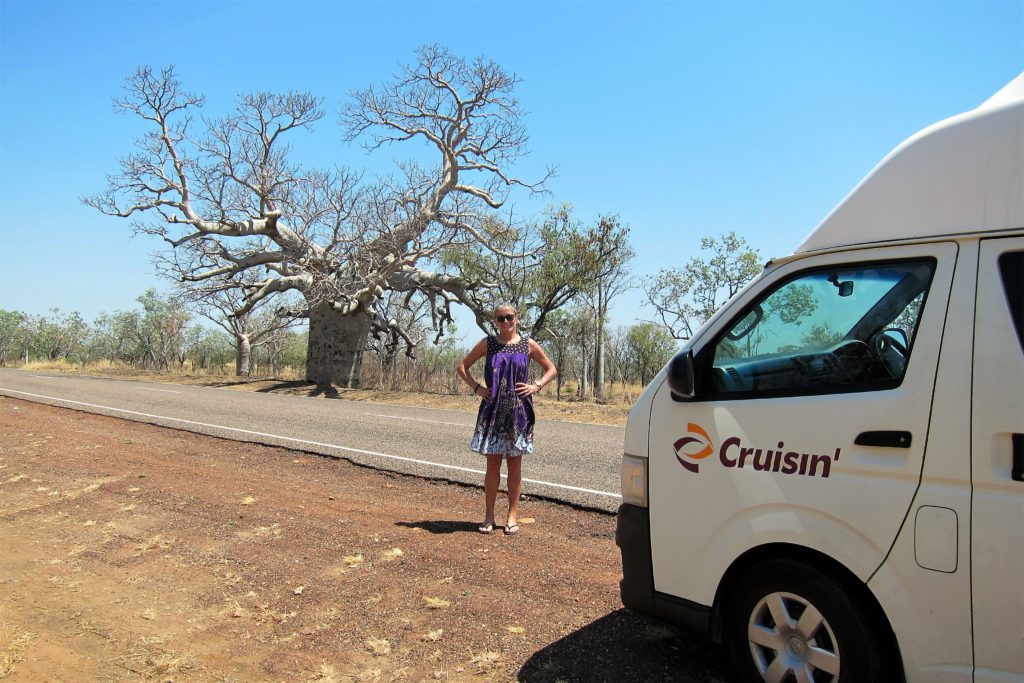
The northwest of Australia is known for its picturesque bottle trees. Essentially baobabs, like in Africa.
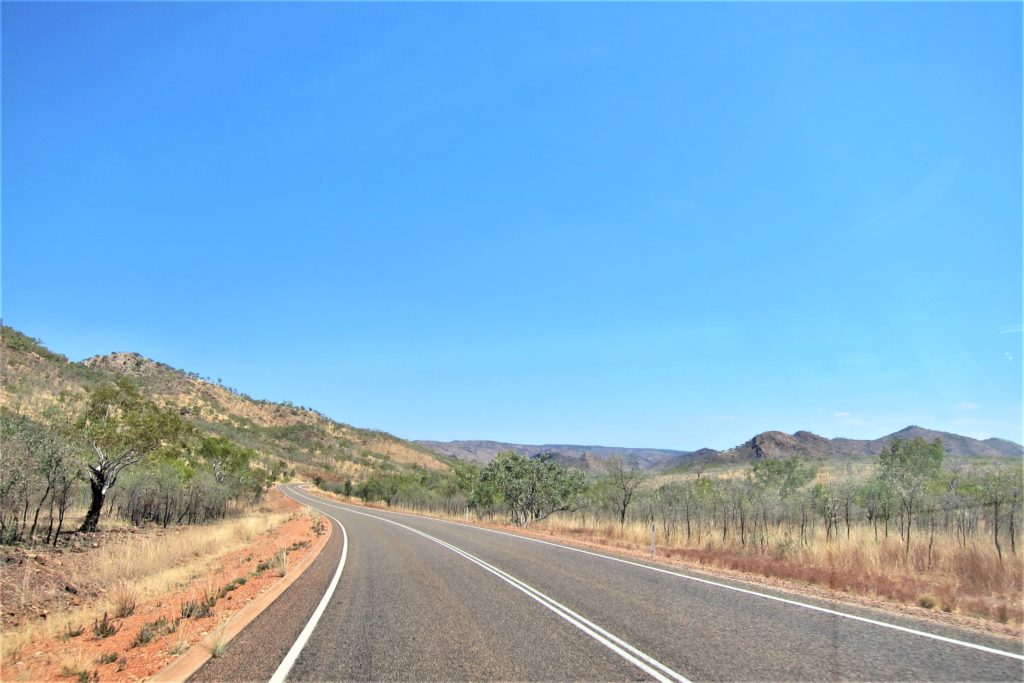
The endless vistas and empty roads suit us down to the ground.
The wide, brown land for me
After returning from Sydney, we spend a last evening with Lauretta at Darwin’s Deck Chair Cinema. While lounging on beanbags at the front, one of the DCC’s famous possums casually strolls over Lauretta’s pillow and finishes off her dish of Middle Eastern salad – mere centimetres away – with the aplomb and casualness of a house cat.
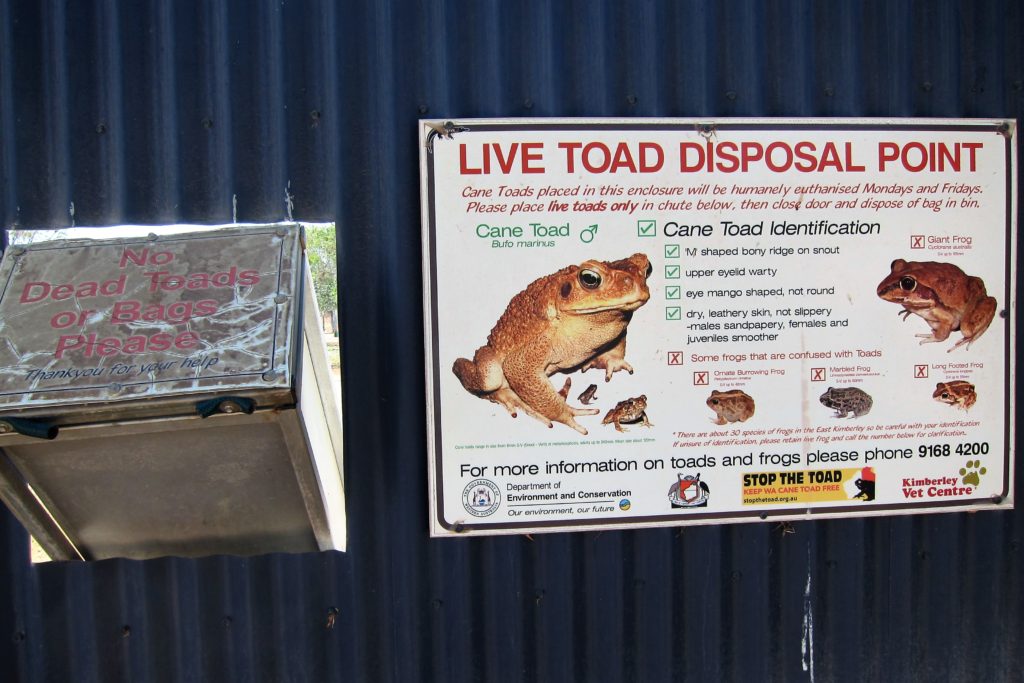
We stop at Victoria River, NT overnight before arriving in the state of Western Australia the next day. One of the first roadhouses we come to has a chute for disposing of live cane toads, a real pest here.
Toad in the hole
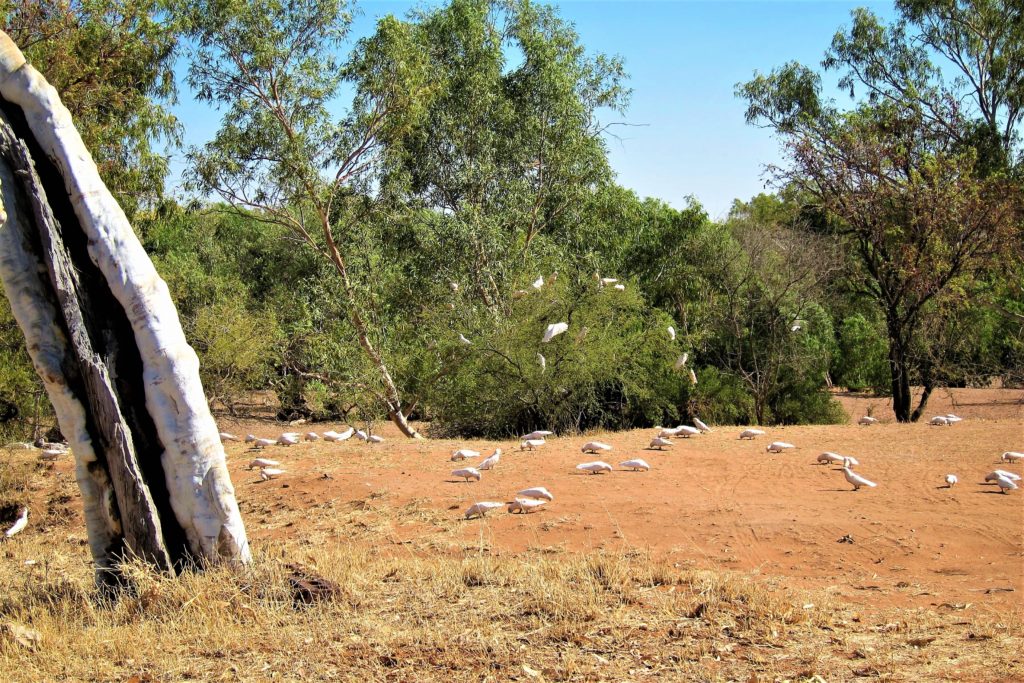
We flee Hall’s Creek early in the morning of my birthday after – barely – escaping the predations of larcenous locals around the caravan park. We stop for breakfast at a roadside halt that is covered with corella parrots.
Carpet of corellas
We never tire of seeing parrots everywhere here; we’re such tourists. There’s something uplifting about parrots.
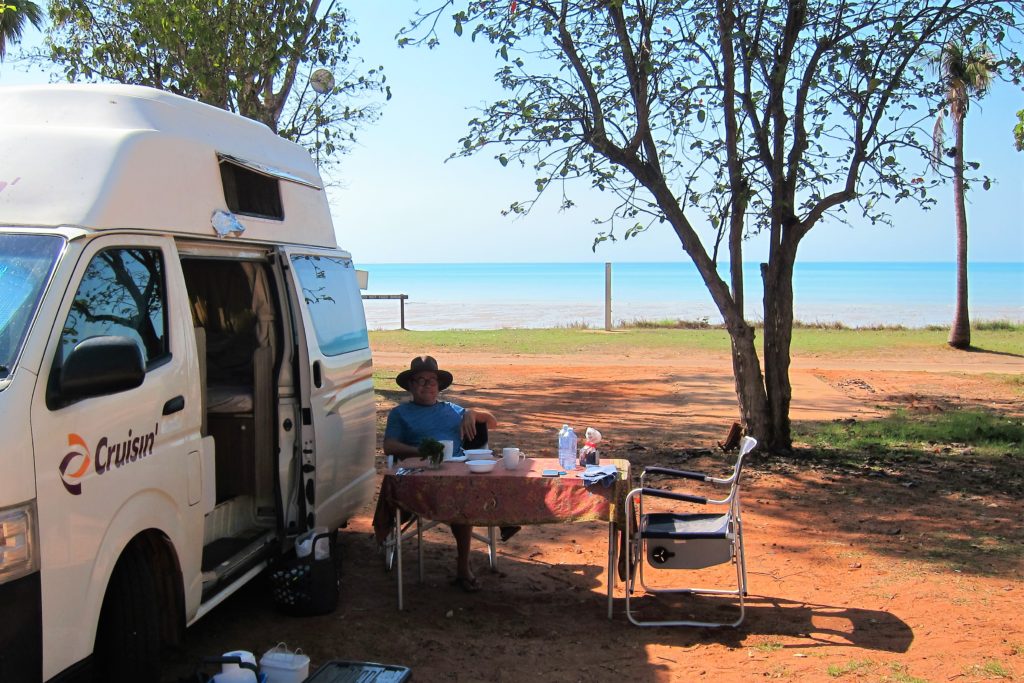
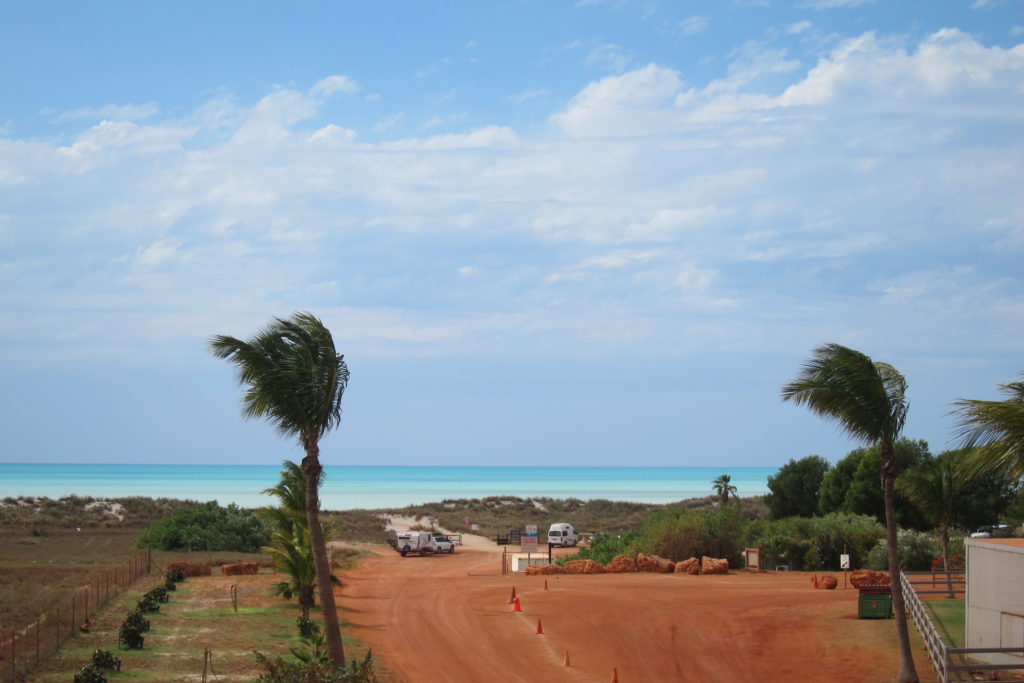
We arrive in Broome, WA, a relaxed sort of town.
Breakfast on the Bay, Broome
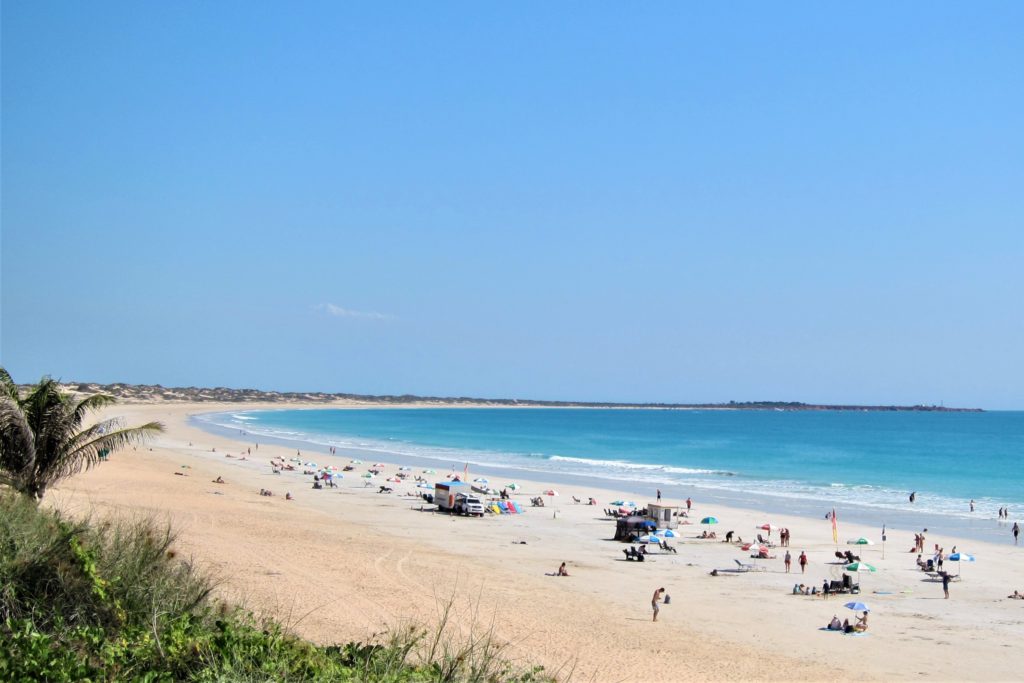
After learning about local history at the Broome Museum – the pearl industry, dinosaur footprints, and aircraft relics from WWII Japanese air raids – we head to Cable Beach.
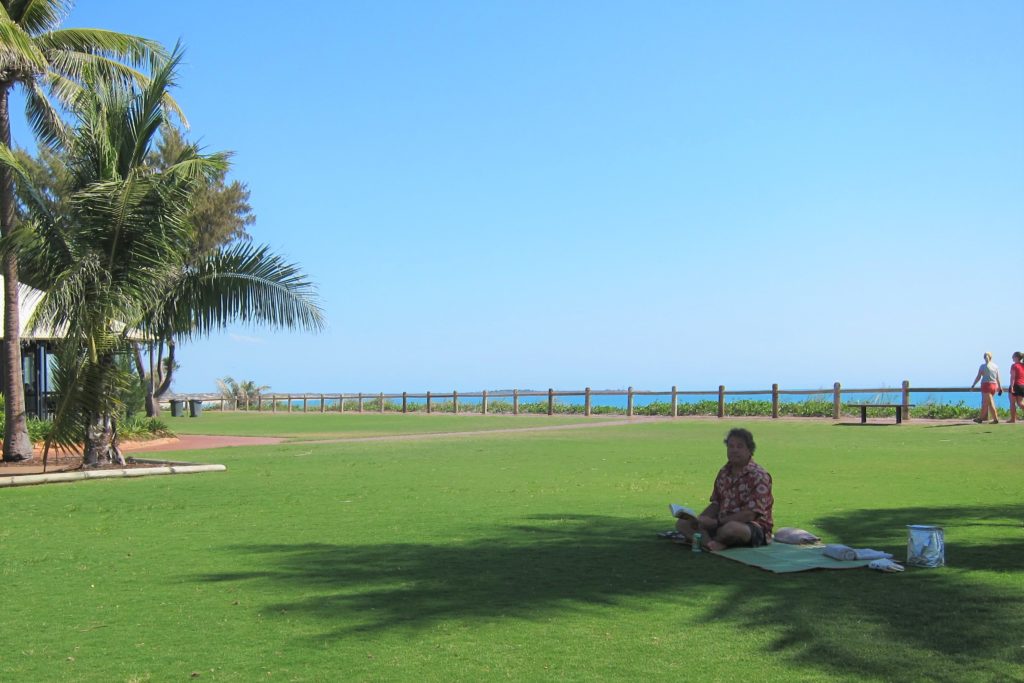
Seaside park at Cable BeachCable Beach
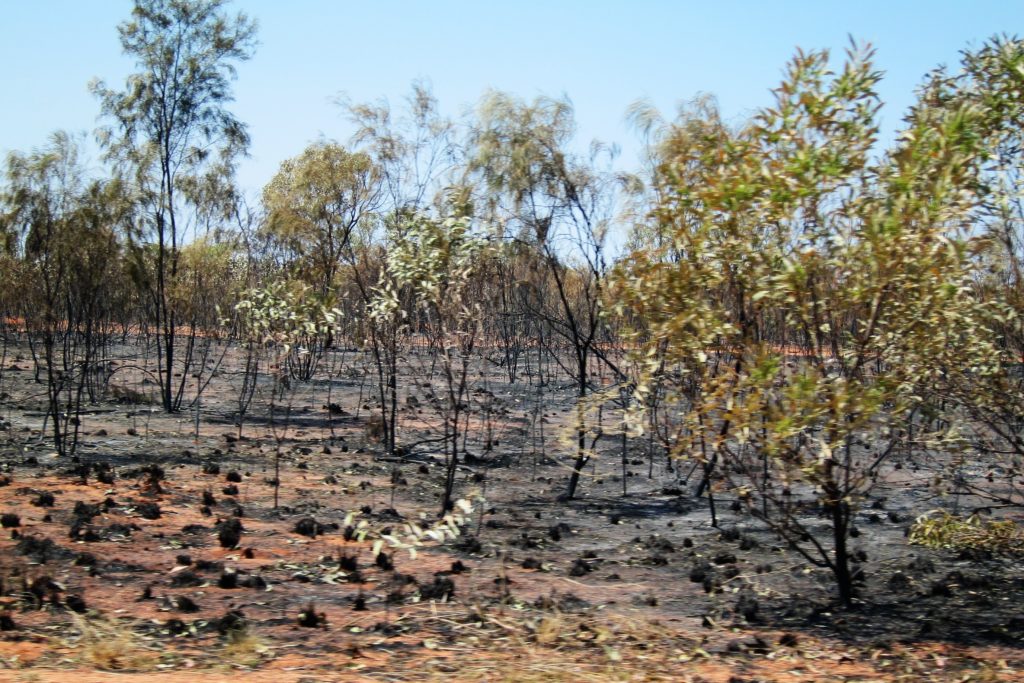
The next day, we spend an unexpected night at the Roebuck Plains roadhouse caravan park when the road south to Port Hedland is closed because of a bushfire.
Beyond the black stump
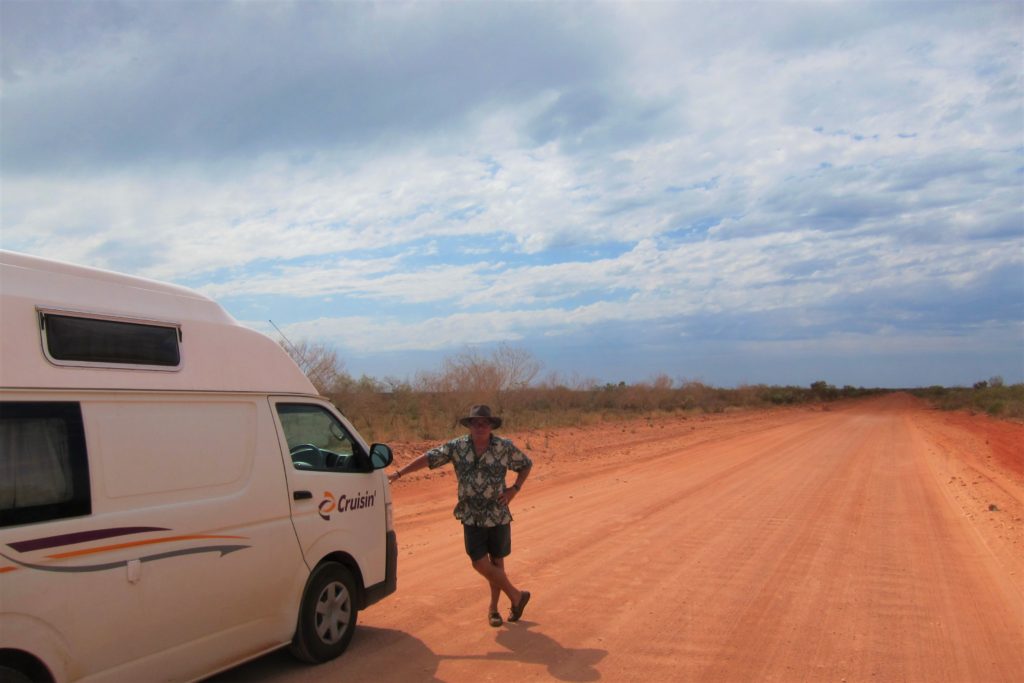
Eventually, we carry on to Eighty Mile Beach.
The road to Eighty Mile Beach
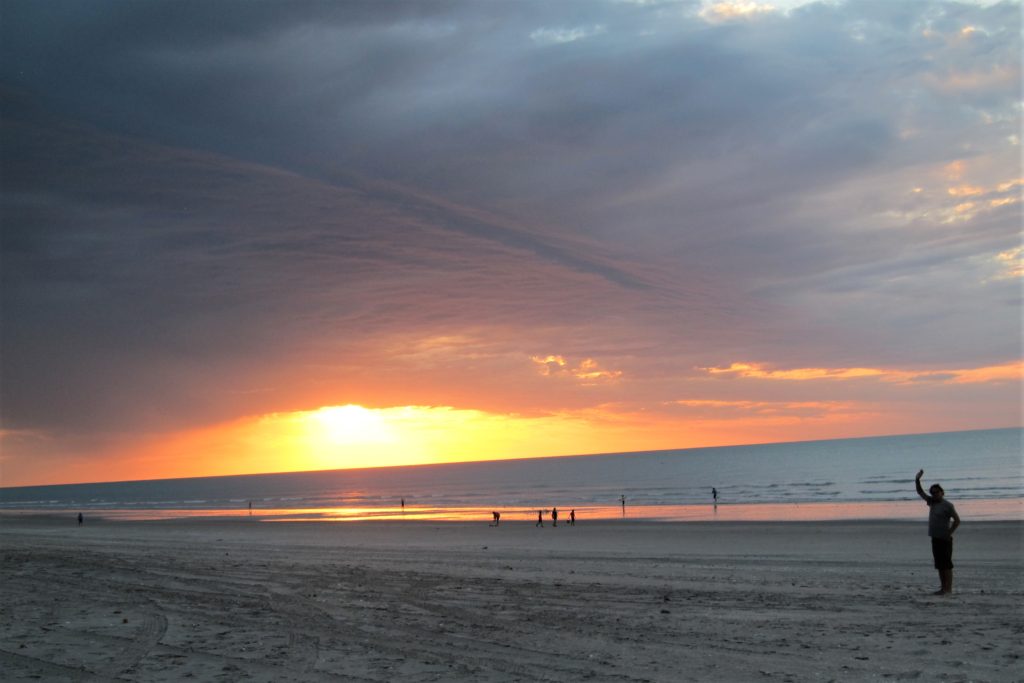
Like the beaches of Broome, the waters of Eighty Mile Beach are a lovely turquoise.
Eighty Mile Beach caravan parkSundown on Eighty Mile Beach
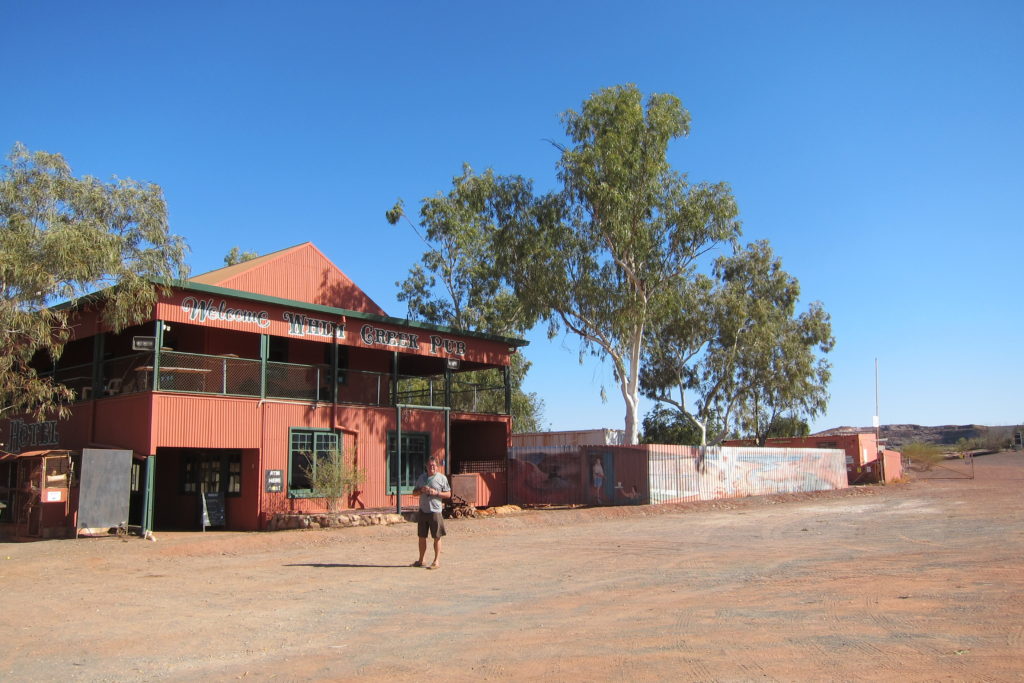
On the way south again. We stop for coffee at the Whim Creek Pub.
Whim Creek pub
I recall stopping at this pub my previous time in Australia. I got a multi-day lift with someone named Risto (a Finnish name). He worked at the Goldsworthy iron ore mine. He drove a green VW 1600 fastback. It never ceases to amaze how the brain retains such trivia when sometimes I can’t remember which day of the week it is.
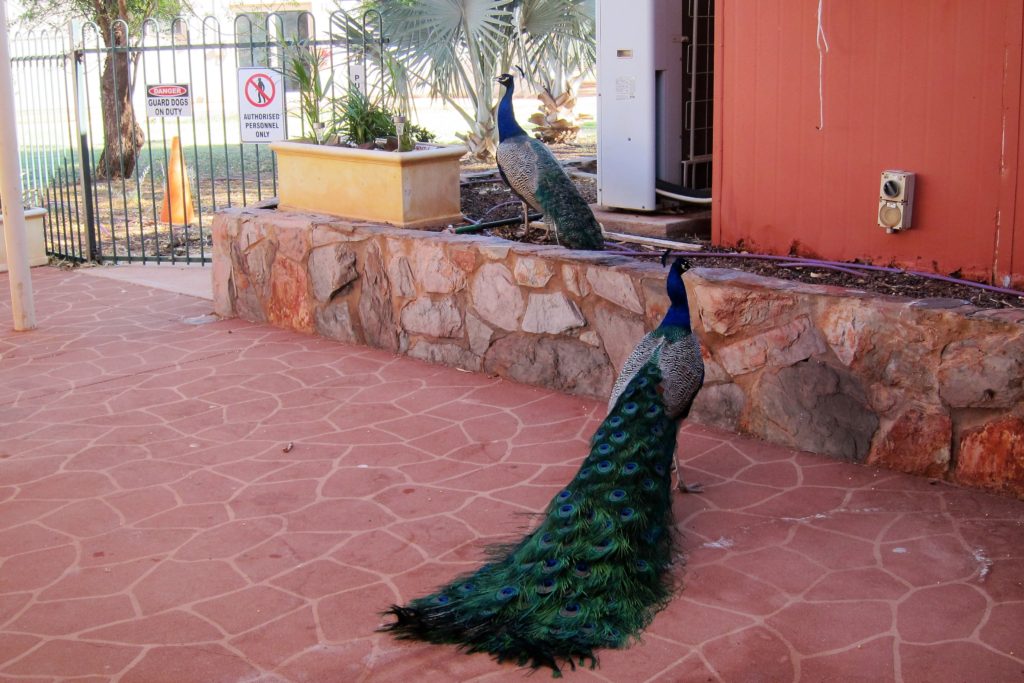
Peacocks at the Whim Creek Pub
Sight or Insight of the Day – Back in the Outback
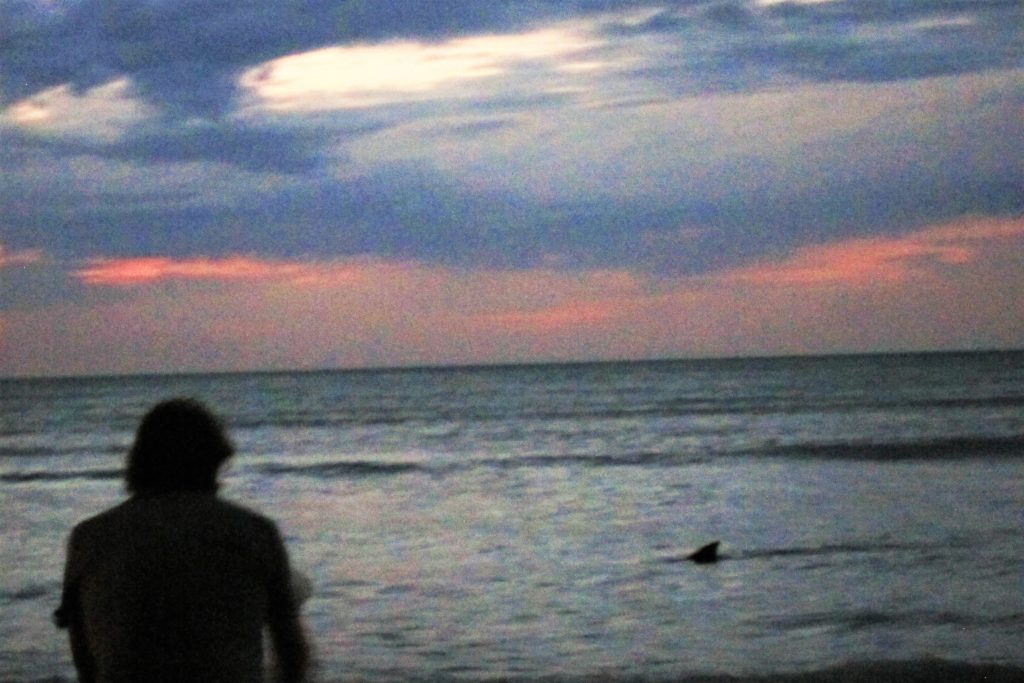
We see a shark. Close up.
While at Eighty-Mile Beach, Maria wants to go swimming. The caravan park management suggests she does not. A few hours later, we watch the sun go down and see a shark not ten metres away in the improbably shallow water offshore. He must be at least two metres long – his dorsal fin and tail fin stick out of the water as he cruises up and down the beach. That was really cool!
Maria manages to get this fuzzy photo of me in the foreground and the shark nearby. It’s quite dark by this time, so the performance of our little camera is impressive.